1. ArchDaily
  2. Interactive Architecture

Interactive Architecture: The Latest Architecture and News

CRA–Carlo Ratti Associati and Italo Rota Transform MAE Carbon Fiber Archive Into an Interactive Museum in Italy

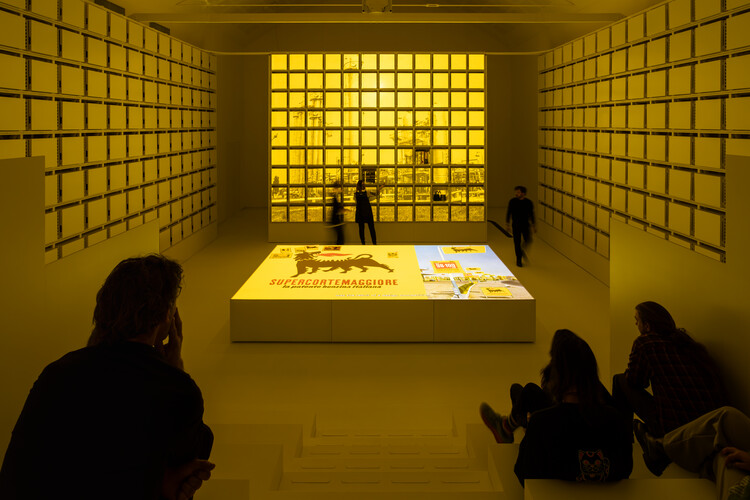
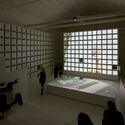
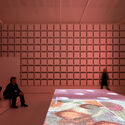
A new museum dedicated to the science of carbon fiber opened in Fiorenzuola d'Arda, Italy, on December 17, 2025. The project dates back to 2021 and was designed by CRA–Carlo Ratti Associati in collaboration with the late Italian architect Italo Rota. Commissioned by MAE, a manufacturer of equipment for carbon fiber production, the project transforms one of the world's largest archives on carbon fiber into a dynamic museum, uniting research with archival preservation and turning the archive into a space for interactive exploration. The project is described by its designers as a "living museum," a place to read, inquire, and connect ideas.
CRA–Carlo Ratti Associati and Italo Rota Transform MAE Carbon Fiber Archive Into an Interactive Museum in Italy - Image 1 of 4CRA–Carlo Ratti Associati and Italo Rota Transform MAE Carbon Fiber Archive Into an Interactive Museum in Italy - Image 2 of 4CRA–Carlo Ratti Associati and Italo Rota Transform MAE Carbon Fiber Archive Into an Interactive Museum in Italy - Image 3 of 4CRA–Carlo Ratti Associati and Italo Rota Transform MAE Carbon Fiber Archive Into an Interactive Museum in Italy - Image 4 of 4CRA–Carlo Ratti Associati and Italo Rota Transform MAE Carbon Fiber Archive Into an Interactive Museum in Italy - More Images+ 12

DAM Launches Interactive Exhibition of 100 Years of Architectural Construction Kits in Frankfurt, Germany

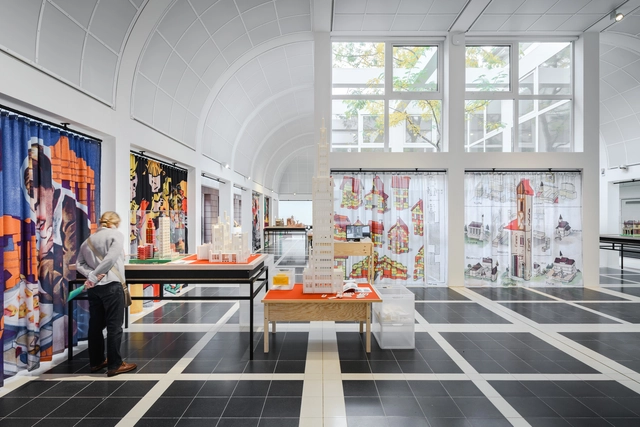
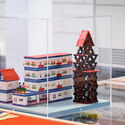
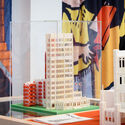
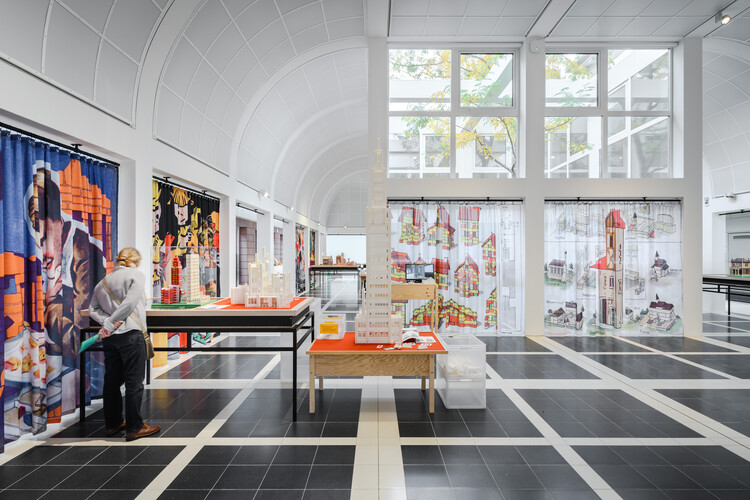
The Deutsches Architekturmuseum (DAM) in Frankfurt, Germany, has opened a new interactive exhibition, on view from October 25, 2025, to February 8, 2026, presenting 100 years of architectural construction kits. Developed in collaboration with graphic designer Claus Krieger, Professors Andreas Kretzer and Philipp Reinfeld from the Stuttgart University of Applied Sciences (HFT), their students, and the wider DAM team, the exhibition brings together around 80 construction kits produced between 1890 and 1990. Many of these systems have been recreated at an enlarged scale so visitors can test their assemblies at eight central play stations. Additional digital features include VR model worlds programmed by HFT students. Dozens of completed models illustrate the range of architectural ideas represented across the kits, and the full collection is documented in an accompanying catalogue. The exhibition is accompanied by a public competition titled How Small Can Architecture Be?, which invites participants to submit miniature architectural models for display.

DAM Launches Interactive Exhibition of 100 Years of Architectural Construction Kits in Frankfurt, Germany - Image 1 of 4DAM Launches Interactive Exhibition of 100 Years of Architectural Construction Kits in Frankfurt, Germany - Image 2 of 4DAM Launches Interactive Exhibition of 100 Years of Architectural Construction Kits in Frankfurt, Germany - Image 3 of 4DAM Launches Interactive Exhibition of 100 Years of Architectural Construction Kits in Frankfurt, Germany - Image 4 of 4DAM Launches Interactive Exhibition of 100 Years of Architectural Construction Kits in Frankfurt, Germany - More Images+ 26

Peter Cook and LEGO Group's Play Pavilion Opens at Serpentine on World Play Day

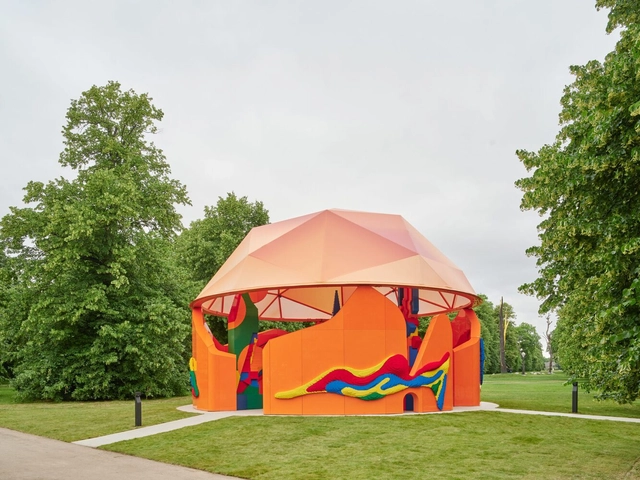
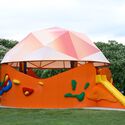
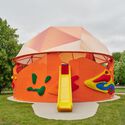
Marking World Play Day, June 11, the Play Pavilion, designed by British architect Peter Cook in collaboration with the LEGO Group, has just opened. The Pavilion is located next to Serpentine South in Kensington Gardens, London. Developed with Pablo Wheldon and Cong Ding, the Pavilion is a collaboration between Serpentine, the LEGO Group, The Royal Parks, and CONSUL. The project builds on Serpentine's broader efforts to connect architecture, design, and public engagement through temporary installations in the park.

Peter Cook and LEGO Group's Play Pavilion Opens at Serpentine on World Play Day - Image 1 of 4Peter Cook and LEGO Group's Play Pavilion Opens at Serpentine on World Play Day - Image 2 of 4Peter Cook and LEGO Group's Play Pavilion Opens at Serpentine on World Play Day - Image 3 of 4Peter Cook and LEGO Group's Play Pavilion Opens at Serpentine on World Play Day - Image 4 of 4Peter Cook and LEGO Group's Play Pavilion Opens at Serpentine on World Play Day - More Images+ 5

Kunsthaus Graz: A Friendly Alien Among Historic Landmarks

Subscriber Access | 

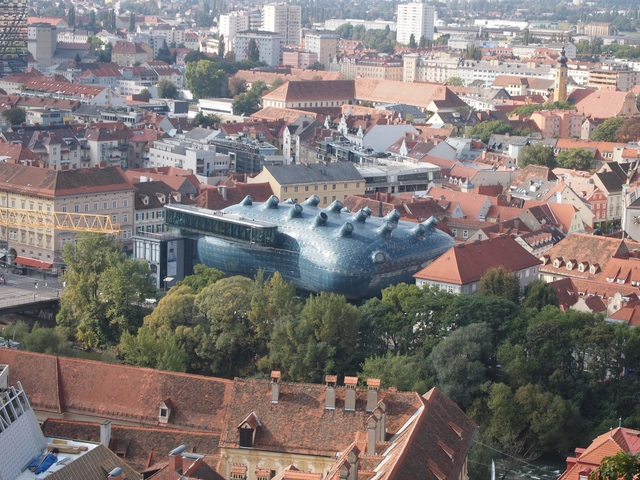
The Kunsthaus Graz, designed by Peter Cook and Colin Fournier, boldly redefines contemporary architecture in a historic city. Completed in 2003 as a centerpiece of Graz's European Capital of Culture celebrations, its biomorphic form, nicknamed the "Friendly Alien", captured global attention. Amidst Baroque and Medieval surroundings, it bridges past and future, standing as a testament to the city's cultural ambitions.

Situated along the River Mur in the Lend district, the Kunsthaus challenges traditional architectural norms with its organic, free-flowing design. Rejecting orthogonal geometry, the museum seamlessly merges art, architecture, and public interaction, redefining the concept of a cultural institution. Its impact extends beyond aesthetics, sparking urban revitalization in a once-overlooked neighborhood, and bringing cultural vibrancy and economic activity.

Kunsthaus Graz: A Friendly Alien Among Historic Landmarks - Image 1 of 4Kunsthaus Graz: A Friendly Alien Among Historic Landmarks - Image 2 of 4Kunsthaus Graz: A Friendly Alien Among Historic Landmarks - Image 3 of 4Kunsthaus Graz: A Friendly Alien Among Historic Landmarks - Image 4 of 4Kunsthaus Graz: A Friendly Alien Among Historic Landmarks - More Images+ 34

Ephemeral Architectures: Engaging Communities through Temporary Structures

Subscriber Access | 

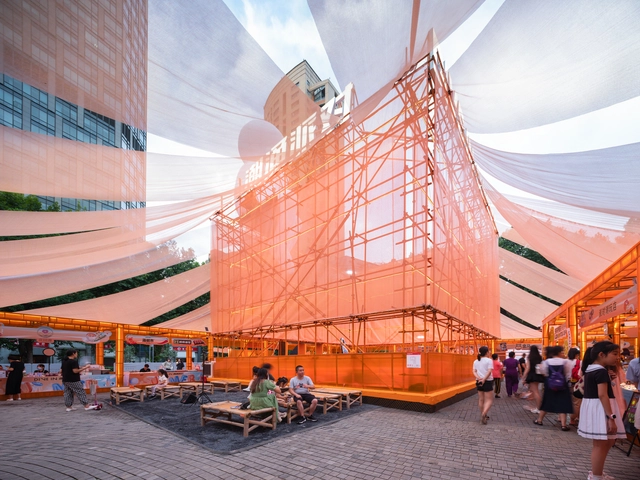
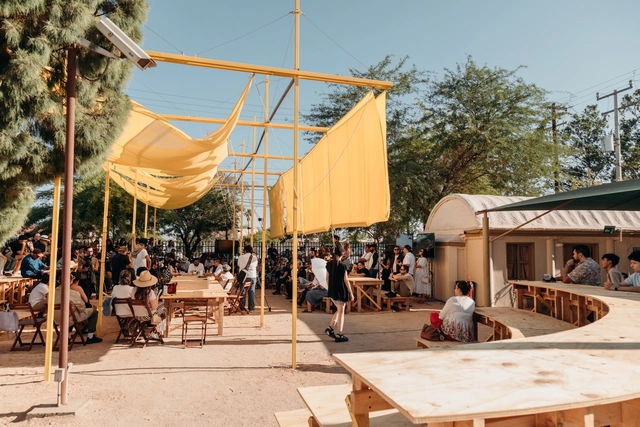
Ephemeral architectures, characterized by their temporary and flexible nature, have emerged as powerful tools for revitalizing urban spaces and fostering architectural creativity. These transient installations transform public areas, engaging communities, and prompting reflections on the potential futures of our cities. By temporarily transforming environments, ephemeral architectures encourage both architects and the public to reimagine the possibilities of urban living. This dynamic interplay, between the temporary and the permanent, challenges traditional architectural practices and opens up new avenues for sustainable and inclusive urban development.

Ephemeral Architectures: Engaging Communities through Temporary Structures - Image 1 of 4Ephemeral Architectures: Engaging Communities through Temporary Structures - Image 2 of 4Ephemeral Architectures: Engaging Communities through Temporary Structures - Image 3 of 4Ephemeral Architectures: Engaging Communities through Temporary Structures - Image 4 of 4Ephemeral Architectures: Engaging Communities through Temporary Structures - More Images+ 32

Pavilions in Cities: 14 Structures that Foster Human Interactions

As dwellers of big cities, we tend to be dragged into a very fast-paced lifestyle. Surrounded by monumental buildings and infrastructure, we can easily lose sight of key spaces that connect us with our neighborhood and provide us with rare moments of peace and enjoyment. Appropriation of the environment we inhabit becomes an uncommon circumstance.

Pavilions in Cities: 14 Structures that Foster Human Interactions - Image 24 of 4Pavilions in Cities: 14 Structures that Foster Human Interactions - Image 23 of 4Pavilions in Cities: 14 Structures that Foster Human Interactions - Image 21 of 4Pavilions in Cities: 14 Structures that Foster Human Interactions - Image 1 of 4Pavilions in Cities: 14 Structures that Foster Human Interactions - More Images+ 23

The San Marino Pavilion Distinguishes Between Host and Guest at the 2023 Venice Architecture Biennale

For this year’s annual architecture exhibition – La Biennale di Venezia, the Pavilion of San Marino will present the Hosting Guest project. Curated by Michael Kaethler and Marco Pierini, this intervention is an authentic co-design workshop focused on hospitality-related issues, part of an international and multi-year research project based on real places and needs. Representing the oldest Republic in the world, Artist Vittorio Corsini will participate in the pavilion with the help of a research team of students, designers, and researchers from San Marino, Venetian, and international universities.

The San Marino Pavilion Distinguishes Between Host and Guest at the 2023 Venice Architecture Biennale - Image 1 of 4The San Marino Pavilion Distinguishes Between Host and Guest at the 2023 Venice Architecture Biennale - Image 2 of 4The San Marino Pavilion Distinguishes Between Host and Guest at the 2023 Venice Architecture Biennale - Image 3 of 4The San Marino Pavilion Distinguishes Between Host and Guest at the 2023 Venice Architecture Biennale - Image 4 of 4The San Marino Pavilion Distinguishes Between Host and Guest at the 2023 Venice Architecture Biennale - More Images+ 1

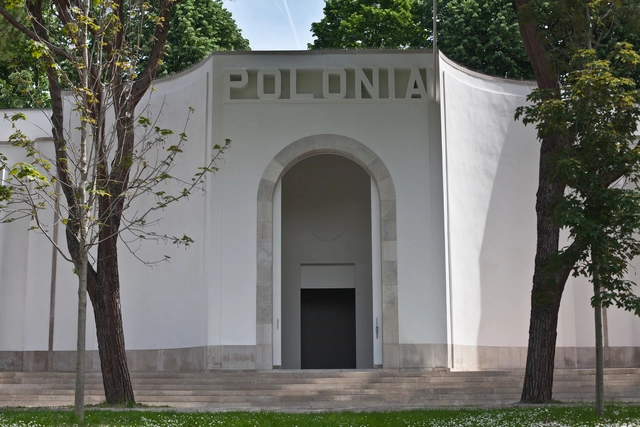
"Datament": The Polish Pavilion at the Venice Biennale 2023 Examines Humanity's Relationship with Data

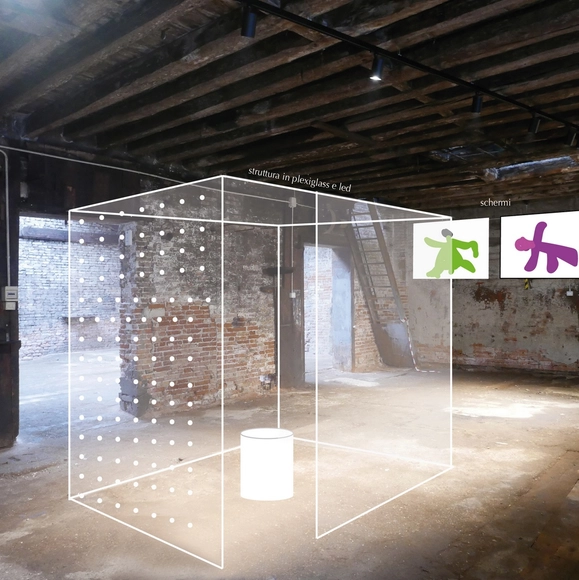
The Polish pavilion will present Datament at the International Architecture Exhibition – La Biennale di Venezia. The installation will allow visitors to experience data in its physical form. The core aim of the exhibition is to showcase how prevalent data has become, shaping the reality in which we live, create, and dwell. Created by Anna Barlik, Marcin Strzała and Jacek Sosnowski, Datament is the starting point for discussing how data and new technologies will play a crucial role in the future.

The Pavilion of Hungary Explores Historical Ethnography at Venice Architecture Biennale 2023

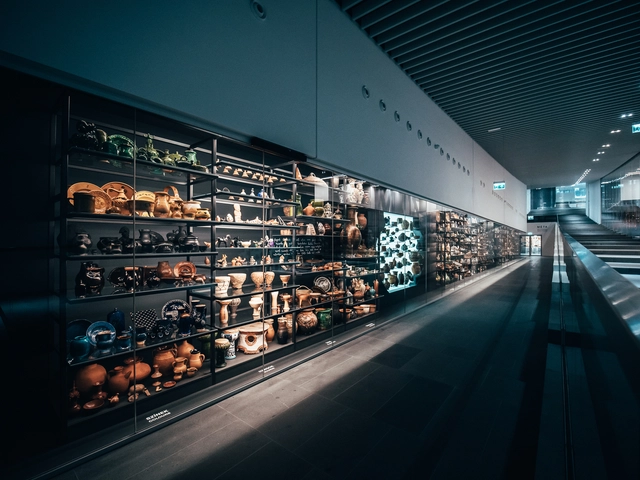
At this year’s Venice Architecture Biennale 2023, the Hungarian Pavilion focuses on a new museum building in Budapest, the Museum of Ethnography. The Museum was designed by Marcel Ferencz (Napur Architect) and completed in 2022 as one of Europe’s most notable cultural and urban development programs, the Liget Budapest Project. The exhibition in Venice, titled "Reziduum – The Frequency of Architecture" and curated by Mária Kondor-Szilágyi, will present the museum's collection through the digital medium. A short animated film titled Ethnozoom and an interactive computer program, the MotifCreator, will allow visitors to become familiar with Hungarian traditions and create their own motif compositions, thus contributing to worldwide community creation. The Hungarian Pavilion will showcase works by architect Marcel Ferencz, architect and composer Péter Mátrai, architect Judit Z. Halmágyi and light designer Ferenc Haász.

The Pavilion of Hungary Explores Historical Ethnography at Venice Architecture Biennale 2023 - Image 1 of 4The Pavilion of Hungary Explores Historical Ethnography at Venice Architecture Biennale 2023 - Image 2 of 4The Pavilion of Hungary Explores Historical Ethnography at Venice Architecture Biennale 2023 - Image 3 of 4The Pavilion of Hungary Explores Historical Ethnography at Venice Architecture Biennale 2023 - Image 4 of 4The Pavilion of Hungary Explores Historical Ethnography at Venice Architecture Biennale 2023 - More Images+ 2

C.F. Møller Wins Competition for Active-Learning School in Copenhagen

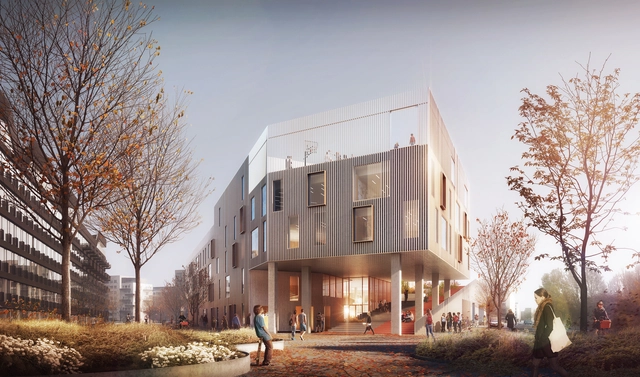
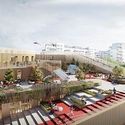
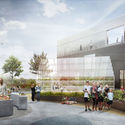
In May 2017, C.F. Møller and Tredje Natur’s interactive education design won the New Islands Brygge School competition. The new education facility sets up innovative, sustainable and active spaces for sixth to ninth grade students to participate in experience-based learning.

C.F. Møller Wins Competition for Active-Learning School in Copenhagen - Dining HallC.F. Møller Wins Competition for Active-Learning School in Copenhagen - Dining HallC.F. Møller Wins Competition for Active-Learning School in Copenhagen - Dining HallC.F. Møller Wins Competition for Active-Learning School in Copenhagen - Dining HallC.F. Møller Wins Competition for Active-Learning School in Copenhagen - More Images+ 19

Treepedia - MIT Maps and Analyses Tree Coverage in Major Cities

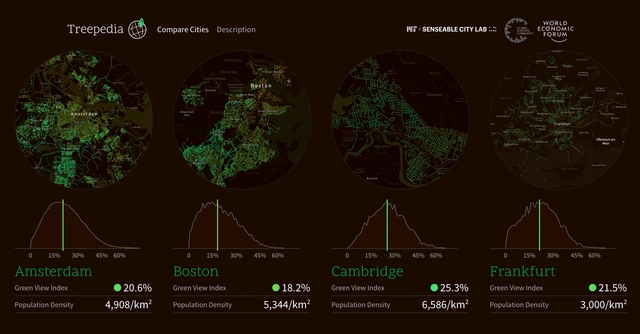
Researchers at the MIT Senseable City Lab have launched a new platform using Google Street View data to measure and compare the green canopies of major cities across the world. Treepedia, created in collaboration with the World Economic Forum, is an interactive website which allows users to view the location and size of their city’s trees, submit information to help tag them, and advocate for more trees in their area. In the development of Treepedia, the Senseable City Lab recognizes the role of green canopies in urban life, and asks how citizens can be more integral to the process of greening their neighborhoods.

Treepedia - MIT Maps and Analyses Tree Coverage in Major Cities - SustainabilityTreepedia - MIT Maps and Analyses Tree Coverage in Major Cities - SustainabilityTreepedia - MIT Maps and Analyses Tree Coverage in Major Cities - SustainabilityTreepedia - MIT Maps and Analyses Tree Coverage in Major Cities - SustainabilityTreepedia - MIT Maps and Analyses Tree Coverage in Major Cities - More Images+ 2

Can Architecture Make Us More Creative?

Subscriber Access | 

What do MIT’s Building 20, the Ancient Greek Agora, 18th Century British teahouses, and early 20th century Parisian cafés have in common?

They were some of the most creative spaces in the world.

People who gathered there would interact. People, such as Socrates or Chomsky or Edison, exchanged ideas, argued about morals, and discussed technologies. They participated in an informal discourse driven by passionate involvement.

And these places, although for different reasons, fostered interaction by bringing people together and giving them a place to talk. As Jonah Lehrer put it, “the most creative spaces are those which hurl us together. It is the human friction that makes the sparks.”

The question, then, is how can contemporary architecture foster the same kind of creativity?

To learn more about architecture and its role in creativity and learning, keep reading after the break.