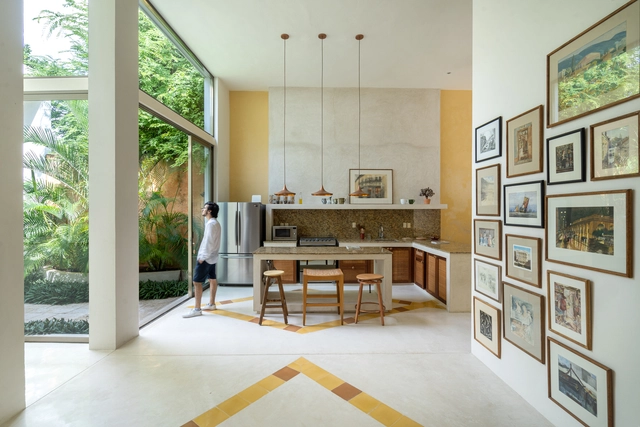
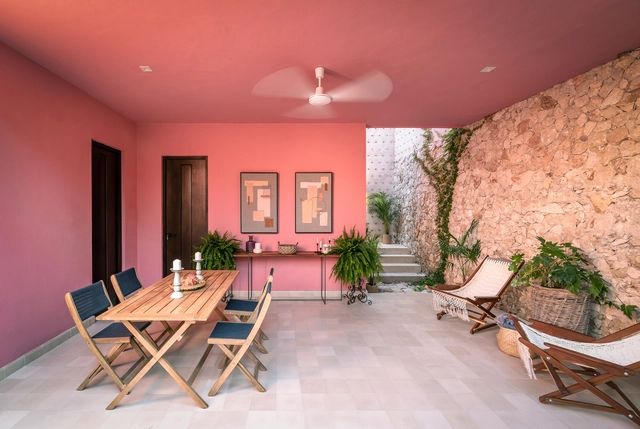
Casa Maca / Workshop, Diseño y Construcción. Image
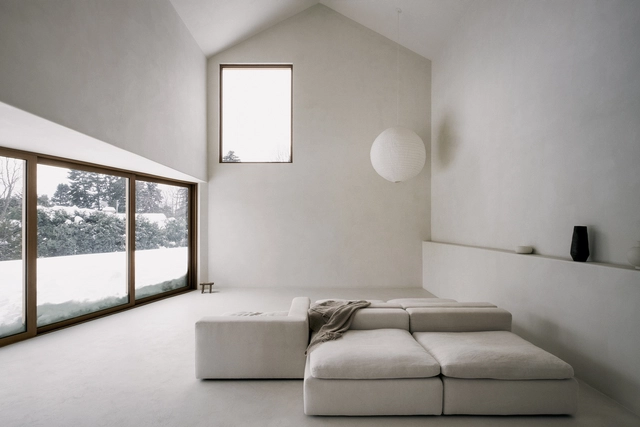
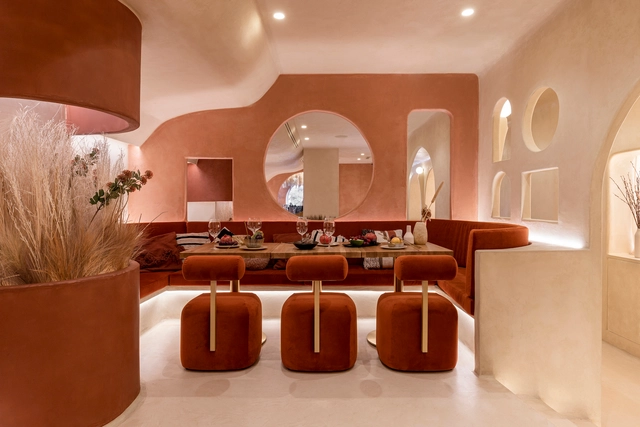
Over the years, interior design has evolved according to the needs that arise, but above all according to the experiences it seeks to evoke in the user. In the last two years we have witnessed a radical change and a special interest in this subject because the pandemic forced us to pay specific attention to the configuration of the places we inhabit. This has brought about much more holistic designs that seek to address the wellbeing of the user, combining colours, sensory experiences, technology and natural elements that promote health.
HeartFelt® Multipanel. Image Courtesy of Hunter Douglas Architectural
Known as the “fifth wall,” a ceiling is the interior overhead surface that covers the upper limit of a room. Unlike decor, wallpaper, furniture and other pieces that define indoor ambiance, it is not usually emphasized as a crucial design component, often resulting in the classic plain white shade that continues to be the norm in many, if not most, interior spaces. Nonetheless, ceilings can serve multiple purposes in any architectural project. For example, they provide comfort, act as protective surfaces for other building systems, conceal structural elements, and add layers of texture, movement and color. They also allow the enclosure or separation of spaces and contribute to sound diffusion, hence reducing noise transfer between rooms.
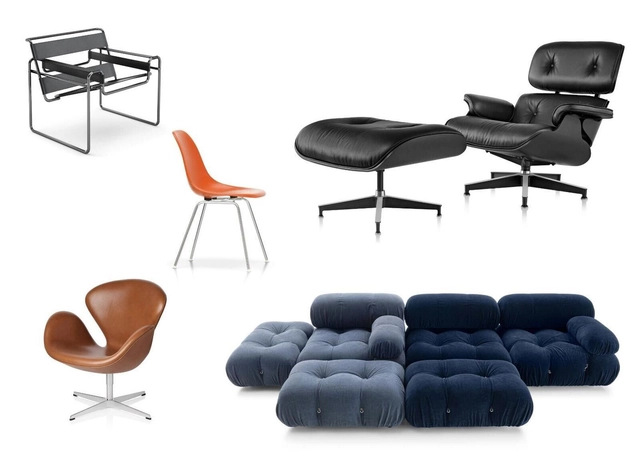
The Wassily Chair by Knoll Int. next to the VITRA/Herman Miller Eames Lounge Chair, B&B Italia's Camaleonda Sofa and the VITRA Plastic Side and Fritz Hansen's Egg Chair
In a way, classic furniture is like a mixture between a work of art and a gold bar: it is a safe investment and can often even increase in value with age. In our second selection of design icons from the 20th century, we present Ray and Charles Eames, Marcel Breuer, Arne Jacobsen and Mario Bellini and some furniture pieces from the past century that remain more modern today than ever, in terms of not only design but also comfort. Find out more on the Architonic Platform.
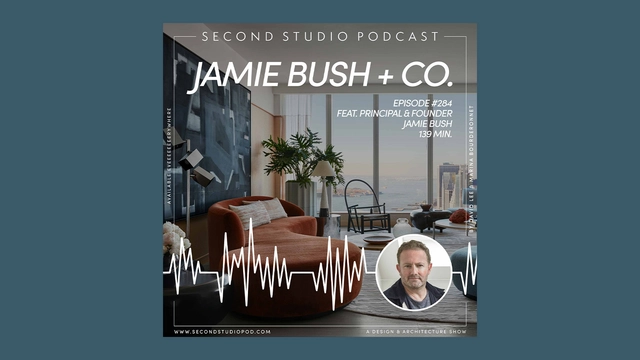
The Second Studio (formerly The Midnight Charette) is an explicit podcast about design, architecture, and the everyday. Hosted by Architects David Lee and Marina Bourderonnet, it features different creative professionals in unscripted conversations that allow for thoughtful takes and personal discussions.
A variety of subjects are covered with honesty and humor: some episodes are interviews, while others are tips for fellow designers, reviews of buildings and other projects, or casual explorations of everyday life and design. The Second Studio is also available on iTunes, Spotify, and YouTube.
This week David and Marina are joined by interior architect and designer Jaime Bush, Principal and Founder of Jamie Bush + CO. to discuss growing up with designers, photographers, and artists; studying Architecture abroad in Venice; transitioning into Interior Architecture; the disconnect between Architects and Interior Designers; how to differentiate between Interior Design and Architecture; fee structures; and more.
https://www.archdaily.com/983873/the-second-studio-podcast-interview-with-jamie-bushThe Second Studio Podcast
Over the years, interior design has evolved according to the needs that arise, but above all, according to the experiences it seeks to evoke in the user. Over the last two years, we have witnessed a radical change and a special interest in this subject because the pandemic forced us to pay specific attention to the configuration of the places we inhabit. This brought about much more holistic designs that seek to address the wellbeing of the user, combining colours, sensory experiences, technology and natural elements that promote health.
Throughout the years, coffee shops and cafés alike have become so much more than just a place to acquire a delicious brew. Since the first coffee shops were established, they have been used as social places to congregate and meeting points for the public. Alongside the development of coffee shops came the ‘coffee culture’, a set of traditions and rules regarding the way cafes are used, and the way these delicious brews are enjoyed.
Coffee shops are everywhere, not just on our city’s high streets, but globally beloved. They offer an atmosphere that is warm and inviting, with a focus on the ambiance and aesthetic of the space as well as the services they offer, with some cafes housing multiple functions beyond the brew. Therefore, the question stands: how are coffee shops today tapping into creating new spaces that are interesting and bring new life to the beloved culture?
The visual aesthetic of the past few decades could be defined as designing with the principles of ‘nothingness’. Whether it’s through art, lifestyle, fashion, industrial, or interior design, there has been an alleged need to keep things at a bare minimum, promoting the globally-loved-yet-highly-criticized trend of minimalism. Minimalism is this notion of reducing something to its necessary elements, but who is deciding what is necessary, and who is deciding what is too much? With those questions in mind, combined with radical changes in consumerism and the way people live seen during recent years, current trends have shown that minimalism might be here to stay, but with a twist.
"Growing up queer means experiencing the destabilizing absence of a broad and accessible queer history, most notably, in our case, in relation to spatial design". This account is what intrigued artist Adam Nathaniel Furman and architectural historian Joshua Mardell to bring together a community of contributors who bring new perspectives to the field of architecture and share stories of spaces that challenge cis-heteronormative morals, sheltering lives that seek to live their own truths. The result of this quest is a book titled Queer Spaces: An Atlas of LGBTQIA+ Places and Stories, which explores stories about distinct social, political, and geographical contexts within the community.
"The details are not the details. They make the design." – Charles Eames. Creating attractive spaces that anticipate the needs of users relies on several factors: scale, circulation, functionality, and comfort. However, the past few decades have proved that the visual appeal of a project is also greatly important, and can make or break the interior space. In this interior focus, we will explore the aesthetic side of interior design, looking at popular styles across the world and how architects and designers use elements such as color, furniture, accessories, and finishes to define their spatial identity.
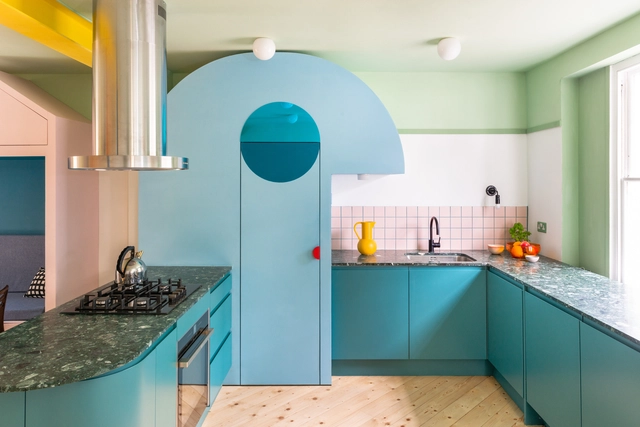
As transitory as trends may be, they always have a way of coming back. We see it all the time in fashion, with clothing pieces we thought were long gone coming back in style and reconquering the market. Interior design is no exception. Although this century has set the ideal on subtle sophistication and simplicity – with white surfaces, clean lines and slick gloss finishes –, bold retro enhancements are reviving in residential and commercial interiors. Whether in the form of vibrant colored walls, floors with intricate geometric patterns or vintage-looking furniture pieces, there seems to be a renewed appreciation for design elements inspired by trends from the second half of the 1900s, particularly from the 50s to the 80s.
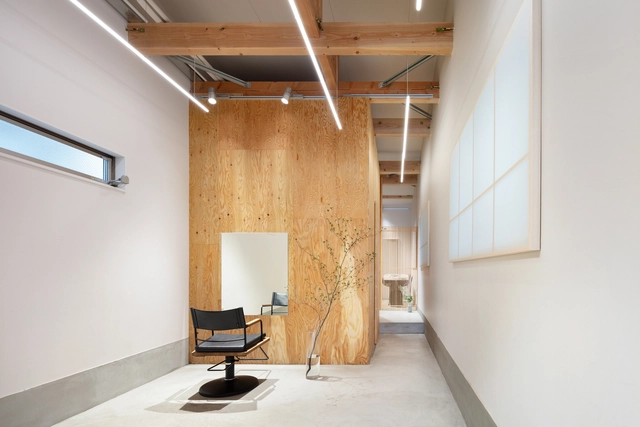
More than ever; today a trip to a hair or beauty salon has become a much-needed escape time. It promises an ultimately uplifting and relaxing experience with an aesthetically pleasing result. However, this affair, like many others, depends on a catered physical setting; a space that’s efficient design can make or break one’s leisurely time. Many spatial considerations have to be taken while setting up a successful and functional beauty shop, and there are no better examples to consider than the quaint Japanese beauty salons.
Futuristic shopping center. Image via The Jetsons, 1962 / Hanna-Barbera Productions
The dawn of nuclear power, dramatic advances in rocketry, and the desire to be the first to put men into space and on the moon, kick-started an era known as the ‘Space Age’. Upon the closure of WW2, both the Soviets and the Allies found themselves in a state of antagonism, as they both began to struggle to make advancements in space exploration before the other, a race for space. The era would give way to rapid advancements in technology and huge accomplishments including the moon landing in 1969. The Space Age aesthetic completely changed the way designers visualized the new world and left a dramatic impression on architecture and interiors. A new vision of futurism and prosperity.
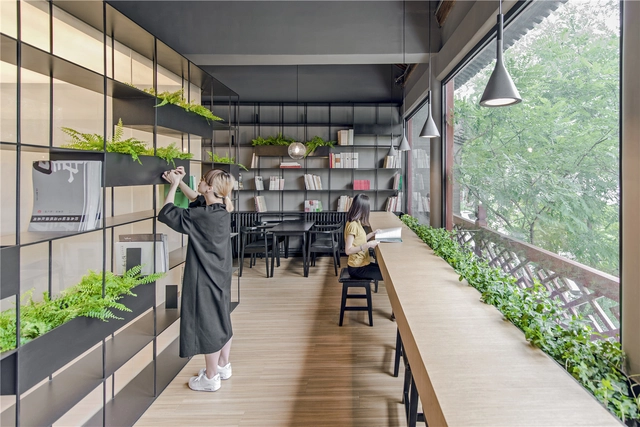
Greatly driven by the Covid-19 pandemic, interior design trends that prioritize comfort and well-being have become more prominent than ever in recent years. With former confinement restrictions and the rise of hybrid work, the amount of time spent indoors to carry out daily functions has risen drastically, forcing many to adapt their living spaces accordingly. As a result, demand has focused on residential interiors that foster calmness, peace and warmth, as well as on products and design elements that successfully meet these new needs. But how to achieve this? While there are many ways to promote comfort inside the home, one method has been indisputably proven to be the most successful: bringing nature in.
Nestled in the heart of the jungle, in the village of Francisco Uh May resides the AZULIK residence, within the same compound as the AZULIK UH MAY, a cultural center for the arts. Heavily influenced by the natural forms of nature itself, Roth’s home takes a biomorphic approach to design, challenging architectural conventions and presenting a harmonious relationship with nature.
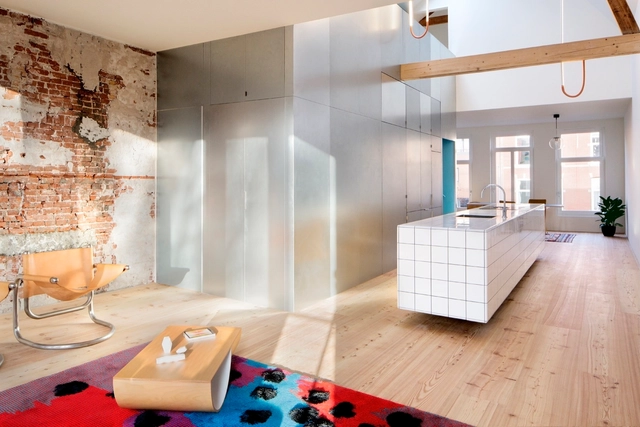
Islands are an essential part of any larger kitchen layout, increasing counter space, storage space, and eating space as well as offering a visual focal point for the kitchen area. Serving a variety of functions, they can be designed in a variety of different ways, with some incorporating stools or chairs, sinks, drawers, or even dishwashers and microwaves. To determine which elements to include and how to arrange them, designers must determine the main purpose or focus of the island. Will it primarily serve as a breakfast bar, a space to entertain guests, an extension of the kitchen, or as something else? And with this function in mind, how should it enhance the kitchen workflow vis-à-vis the rest of the area? These considerations, combined with basic accessibility requirements, necessitate that the design of the island be carefully thought out. Below, we enumerate some of the essential factors of kitchen island design.
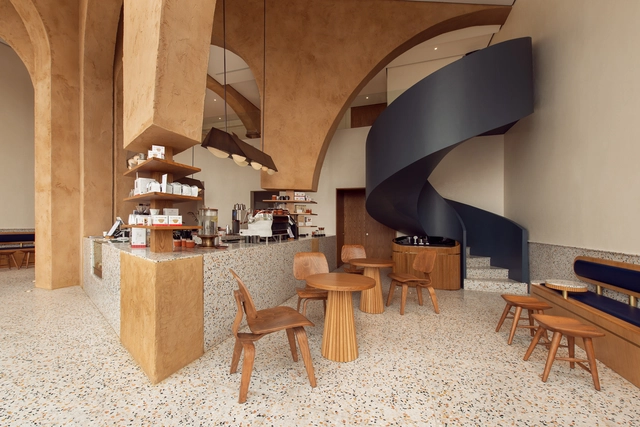
Coffee shops have always been popular gathering spaces among coffee lovers, but with the rise of remote working, especially post-pandemic, they have become a hotspot for remote workers and students as well. One of the many reasons why they are such a popular hangout spot, other than the fact that they serve one of the most globally-adored drinks, is because of their well-designed interior spaces that promote comfort, relaxation, and productivity simultaneously. After all, it's always been said that architects and coffee go hand in hand. In this interior focus, we explore how different design elements shape the user experience of a coffee shop, and look at how architects have employed them through 17 examples.
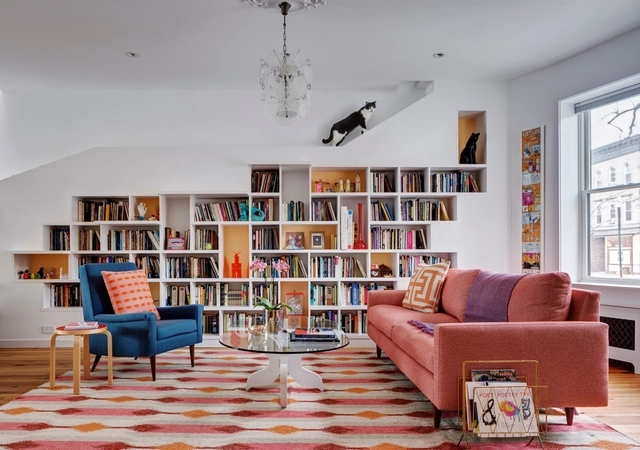
In times of an ongoing global pandemic and constant video meetings, more and more people are leveraging their bookshelves at home to not only create appropriately stylish screen backdrops but also communicate credibility. There’s even a Twitter account on the subject. That being said, not everyone has a library-worthy collection to display or the space to store heavy art volumes. But whatever your personal shelf dream – even if it involves cats – here are five design elements that will help you make the most out of a tool you didn’t know you had, plus real examples of how they are being used to enhance bookshelves in projects around the globe. Head to the bookshelf section on Architonic for further inspiration and concrete product examples.


.jpg?1649785401&format=webp&width=640&height=580)