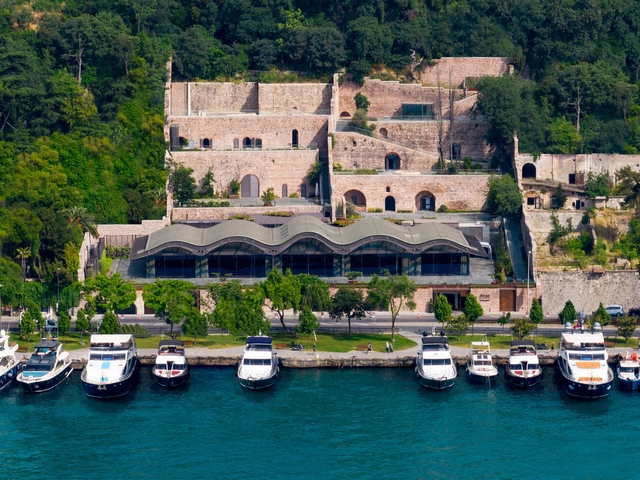


-
Architects: GAD Architecture
- Area: 10346 m²
- Year: 2022
-
Manufacturers: Ark İnşaaat


Along with the thousands of designers and craftsmen that took part in this year's Milan Design Week to showcase their innovative creations, renowned architects from across the world were also present in the Italian city to share how they tackle the challenges faced by our environment and societies today.
During the week-long event, ArchDaily had the chance to speak with Alper Derinboğaz, architect and founder of Istanbul-based Salon Alper Derinboğaz, selected among ArchDaily's 2020 Young Practices, to discuss the firm's responsibility towards the environment, seeing architecture as part of the Earth within Geospace's framework, challenges facing the new generations of architects and their access to information, and experimenting with the Metaverse.
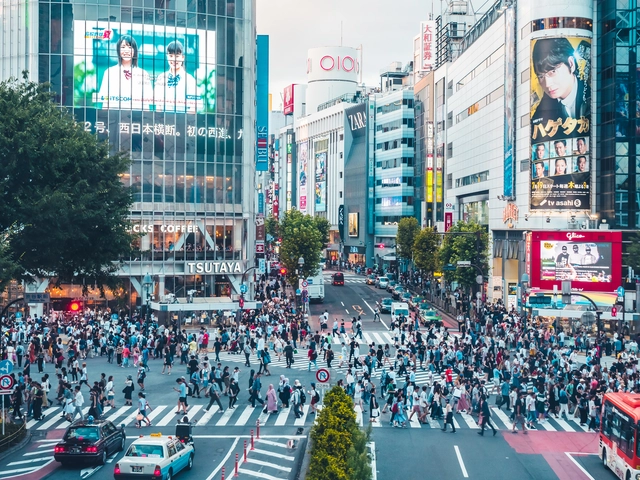
Half of the world’s population now lives in cities, according to UN-Habitat’s latest reports. While this number is set to increase to two-thirds by 2050, urban challenges are growing exponentially, making it more crucial than ever, to transform our cities. Annually, the world population review assesses the growth of cities and the number of residents living in metropolitan areas, to understand global evolution trends. In 2022, the list of the top 20 most populated countries remained similar to the 2021 edition, with a slight change in numbers and positions. Tokyo kept its status as the world’s largest city, with 37 million inhabitants, while Delhi and Shanghai, followed in second and third positions.
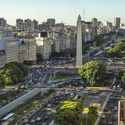
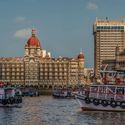
Comparing the results to the 2021 edition, the only decrease that can be seen in the top 20, involves both Japanese cities, Tokyo and Osaka. The rest of the list had, on average, a growth of 1.8% in the total of people residing in metropolitan areas. In fact, African cities Kinshasa in the Democratic Republic of Congo and Lagos in Nigeria gathered the highest rates, with respectively a 4.39% and a 3.54% increase in residents in 1 year. The largest city in the American continent is still Sao Paulo in Brazil, followed closely by Mexico City and Buenos Aires in Argentina, further down the table. In Europe, Istanbul is the most populous, with more than 14.5 million residents.
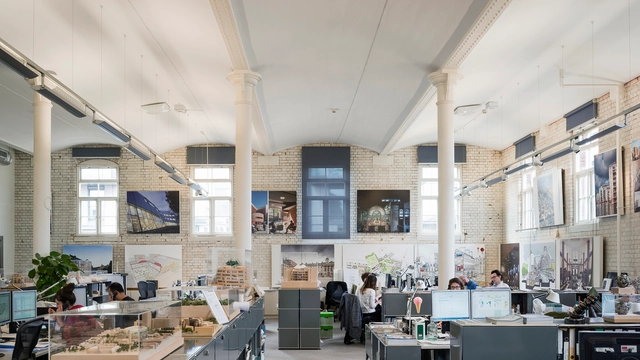
Moving forward with his "ultra-marathon of photoshoots", architectural photographer Marc Goodwin is putting together an Atlas of Architectural Atmospheres by Arcmospheres, a project that seeks to document diverse architecture and design studios from around the world. Since 2016, the architectural photographer has been traveling "far and wide to capture the atmospheres of architecture studios in order to produce an online and print resource for the architecture community", and after a two-year hiatus due to the pandemic, Goodwin resumed his project with an exploration of Berlin's architecture offices, capturing the work environment of renowned firms such as Hesse, LAVA, JWA, and FAR frohn&rojas, to name a few.
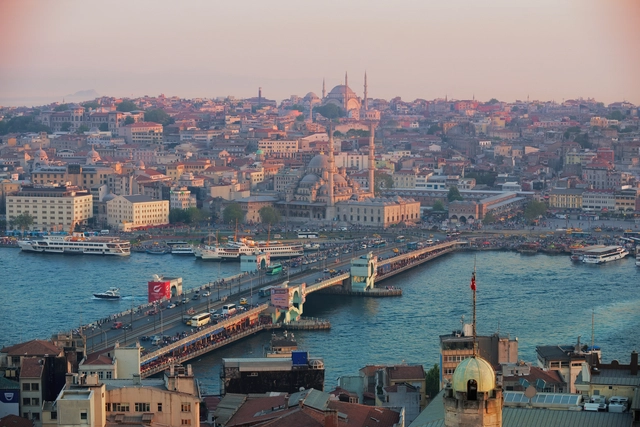
Bloomberg Philanthropies has announced the 15 winning innovations of its 2021-2022 Global Mayors Challenge. Hailing from six continents, the chosen projects "seek improvements in the areas of economic recovery and inclusive growth, health and well-being, climate and environment, and gender and equality". The winning cities include Istanbul, Rotterdam, Butuan, and Wellington, and will all receive $1 million and external support to develop their programs.
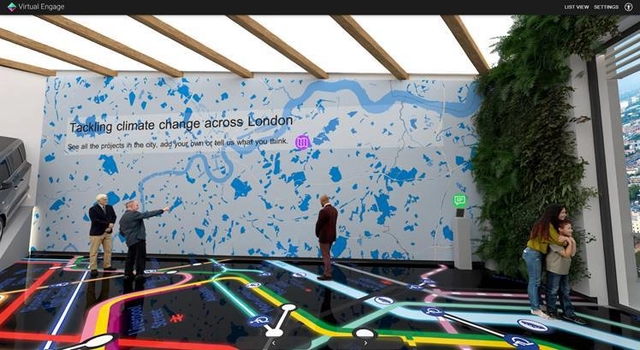
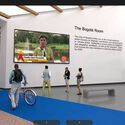
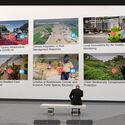
This week, the C40 global network of cities and engineering and sustainability firm Arup launched a virtual exhibition showcasing examples of climate initiatives and resiliency strategies from 11 cities committed to addressing climate change. Given that cities account for more than 70% of global carbon emissions, the Global Cities Climate Action Exhibition aims to highlight the role of cities in reaching climate targets through local policies and urban development plans, achieving tangible emission reductions and increasing social equity.




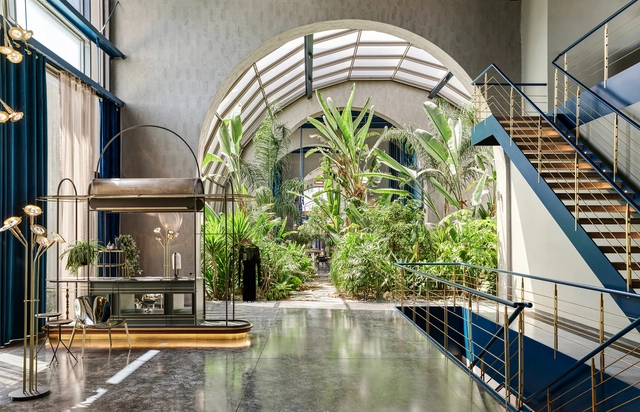
Office buildings are known for being utilitarian, efficient, and rigid. While this typology has earned a reputation for adopting rectilinear grids and open layouts, modern designs have begun exploring new alternatives for the contemporary workplace. Moving beyond standard work rooms, meeting spaces, and support zones, these projects are reimagining the relationships between envelope and program. This is a larger movement towards rethinking the formal and spatial characteristics of where we work. While this trend is being explored globally, cities have begun embracing new office designs at a larger scale.
_Tom_Spall.jpg?1625127535&format=webp&width=640&height=580)
Designed by Kohn Pedersen Fox Associates (KPF), the Ziraat Bank Headquarters towers in Istanbul have topped out. The project is expected to become the centerpiece of the new Istanbul International Financial Centre (IIFF), and will incorporate the bank’s headquarters, commercial office spaces, retail spaces on the ground floor, and underground parking.
_Tom_Spall.jpg?1625127535 "© Tom Spall")
_Tom_Spall.jpg?1625127547 "© Tom Spall")
_Tom_Spall.jpg?1625127574 "© Tom Spall")
_Tom_Spall.jpg?1625127574 "© Tom Spall")
_Tom_Spall.jpg?1625127535)
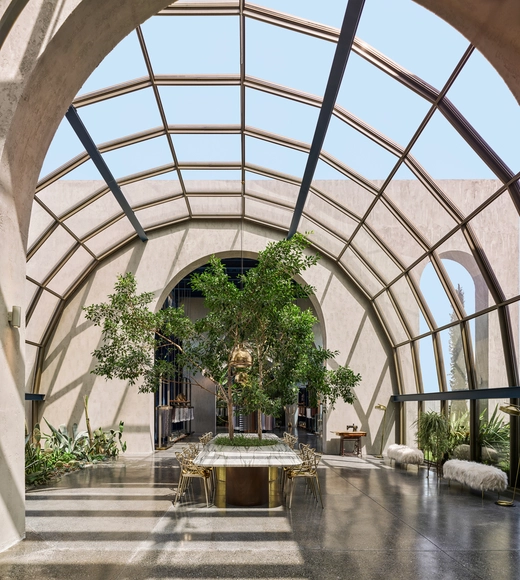
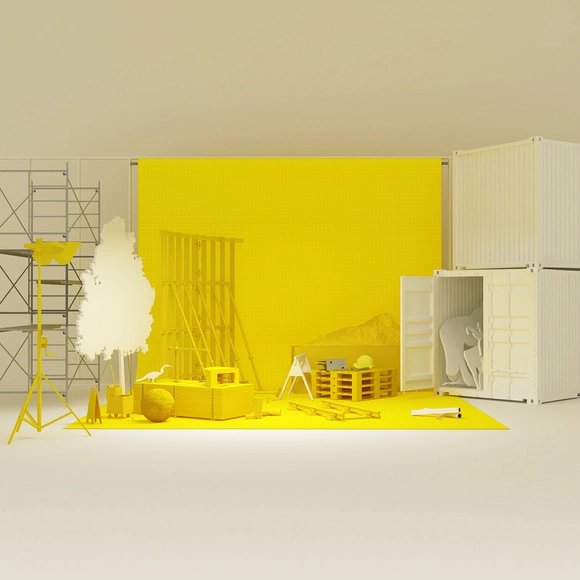
Titled "Architecture as Measure", the Turkish pavilion at the 17th International Architecture Exhibition – La Biennale di Venezia, seeks to explore what and how architecture can contribute to the environment in the light of the current climate crisis, beyond technological dependence. Curated by Neyran Turan, the pavilion will be on display at the country's long-term venue, the Sale d’Armi, Arsenale from May 22nd to November 21st, 2021.

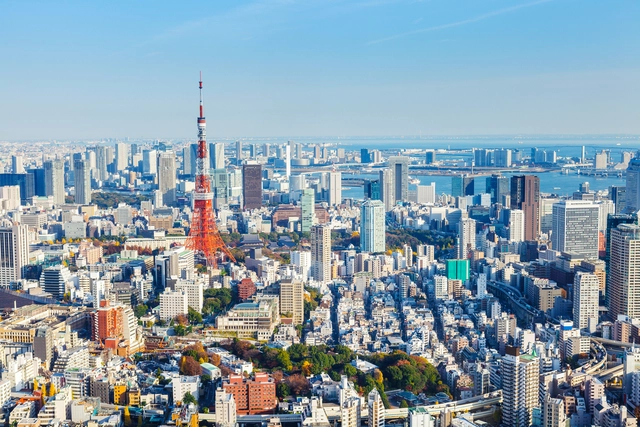
According to the United Nations’ latest report on populations in cities, by 2030, “urban areas are projected to house 60 percent of people globally and one in every three people will live in cities with at least half a million inhabitants”. Growing in both size and number, cities are hubs of government, commerce, and transportation, and in 2021, the world’s 20 largest cities are home to half a billion people. In fact, one in five people worldwide lives in a city with more than 1 million inhabitants.
Below, we have rounded up the top 20 megacities in the world of 2021, according to the number of people that live in their metropolitan area. While Tokyo is the largest city on a global level, with a total of more than 37 million residents, the majority of the most populous cities in the world are in the two most populated countries, China and India. Among these, we have 5 metropolises in China, Shanghai, Beijing, Chongqing, Tianjin, and Guangzhou, and 3 in India, Delhi, Mumbai, and Kolkata. The largest city in the American continent is Sao Paulo in Brazil with 22 million people, followed by Mexico City and Buenos Aires in Argentina. Istanbul takes the 13th position with one part of the city lying in Europe and the other part in Asia.







.jpg?1643280352 "The World’s First Fully Accessible Art Depot Museum is Opening to the Public. Image © Ossip van Duivenbode / MVRDV")