1. ArchDaily
  2. Pavilions

Pavilions: The Latest Architecture and News

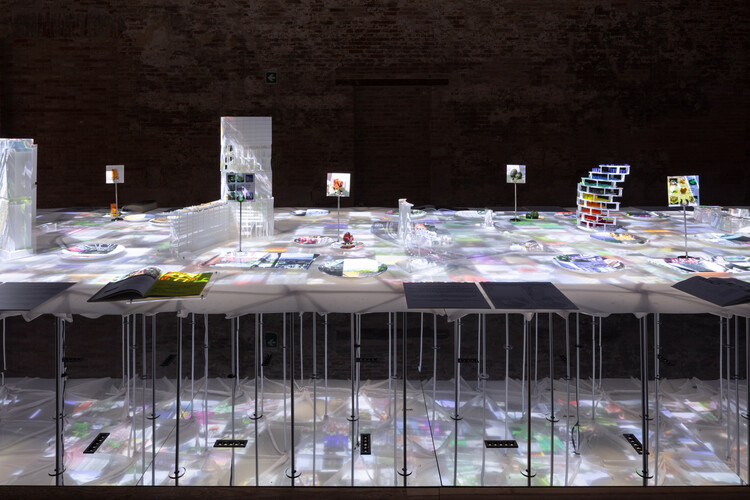
Icelandic Pavilion Explores Bathing Culture as Civic Infrastructure at the 2027 Venice Architecture Biennale

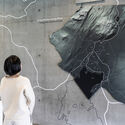
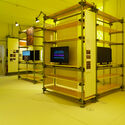
The Icelandic Pavilion at the 20th International Architecture Exhibition – La Biennale di Venezia will present SOAK: Rituals of Collective Belonging, an exhibition examining Iceland's bathing culture through the lens of architecture, public space, and social interaction. Commissioned by Halla Helgadóttir, Iceland Design and Architecture, the project is curated by Marcos Zotes, partner at Basalt Architects, and developed through a multidisciplinary collaboration between Basalt Architects, design studio Gagarin, and artist Rán Flygenring. SOAK marks the second Icelandic participation in the Architecture Biennale selected through an open call process, following Lavaforming by s.ap architects, which represented Iceland at the 2025 edition.


Icelandic Pavilion Explores Bathing Culture as Civic Infrastructure at the 2027 Venice Architecture Biennale - Image 1 of 4Icelandic Pavilion Explores Bathing Culture as Civic Infrastructure at the 2027 Venice Architecture Biennale - Image 2 of 4Icelandic Pavilion Explores Bathing Culture as Civic Infrastructure at the 2027 Venice Architecture Biennale - Image 3 of 4Icelandic Pavilion Explores Bathing Culture as Civic Infrastructure at the 2027 Venice Architecture Biennale - Image 4 of 4Icelandic Pavilion Explores Bathing Culture as Civic Infrastructure at the 2027 Venice Architecture Biennale - More Images+ 3

The 25th Serpentine Pavilion Designed by LANZA atelier Opens to the Public on June 6th, 2026

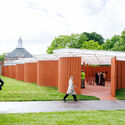
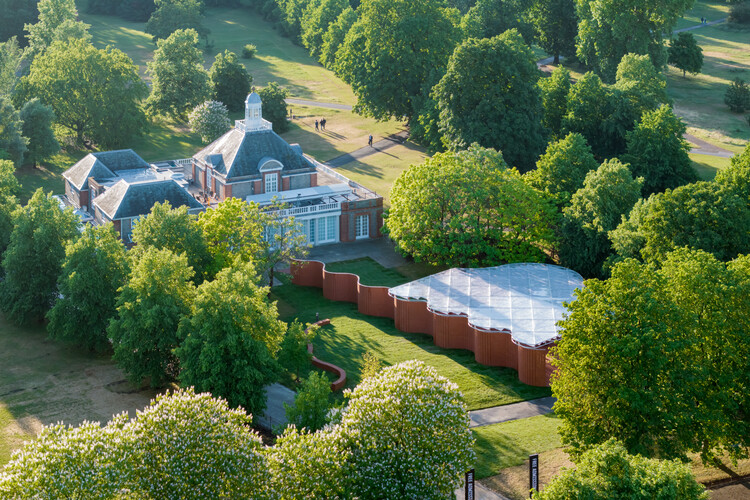
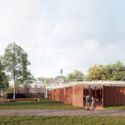
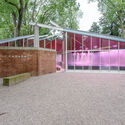
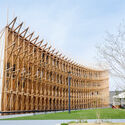
The 2026 Serpentine Pavilion, titled "a serpentine," designed by Mexico City-based architecture studio LANZA atelier, will open to the public on 6 June 2026 at Serpentine South in London. Newly released preview-days images show the completed structure ahead of its seasonal activation, which will run through 25 October 2026 and include Serpentine's annual programme of public events. Now in its 25th edition, the Serpentine Pavilion marks a milestone for the annual commission first launched in 2000 with Zaha Hadid's inaugural project. To commemorate the anniversary, Serpentine Galleries will also collaborate with the Zaha Hadid Foundation and the Architectural Association on a parallel programme reflecting on the Pavilion's legacy and its role in contemporary architectural discourse.

The 25th Serpentine Pavilion Designed by LANZA atelier Opens to the Public on June 6th, 2026 - Image 1 of 4The 25th Serpentine Pavilion Designed by LANZA atelier Opens to the Public on June 6th, 2026 - Image 2 of 4The 25th Serpentine Pavilion Designed by LANZA atelier Opens to the Public on June 6th, 2026 - Image 3 of 4The 25th Serpentine Pavilion Designed by LANZA atelier Opens to the Public on June 6th, 2026 - Image 4 of 4The 25th Serpentine Pavilion Designed by LANZA atelier Opens to the Public on June 6th, 2026 - More Images+ 2

LANZA atelier Reveals New Details for the 2026 Serpentine Pavilion

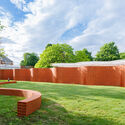
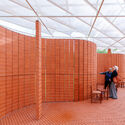
Mexican architecture practice LANZA atelier has unveiled new details for the 2026 Serpentine Pavilion, titled "a serpentine," which will open to the public on 6 June 2026 at Serpentine South. Designed by studio founders Isabel Abascal and Alessandro Arienzo, the project reinterprets the historic serpentine or crinkle-crankle wall through a lightweight brick structure integrated into the landscape of Hyde Park. Marking the 25th edition of the annual commission, the pavilion will remain on view through October 2026 and serve as a venue for Serpentine's public programme of performances, talks, screenings, and community events.

LANZA atelier Reveals New Details for the 2026 Serpentine Pavilion - Image 1 of 4LANZA atelier Reveals New Details for the 2026 Serpentine Pavilion - Image 2 of 4LANZA atelier Reveals New Details for the 2026 Serpentine Pavilion - Image 6 of 4LANZA atelier Reveals New Details for the 2026 Serpentine Pavilion - Image 4 of 4LANZA atelier Reveals New Details for the 2026 Serpentine Pavilion - More Images+ 3

8 National Pavilion Highlights from the 2026 Venice Art Biennale

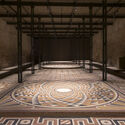
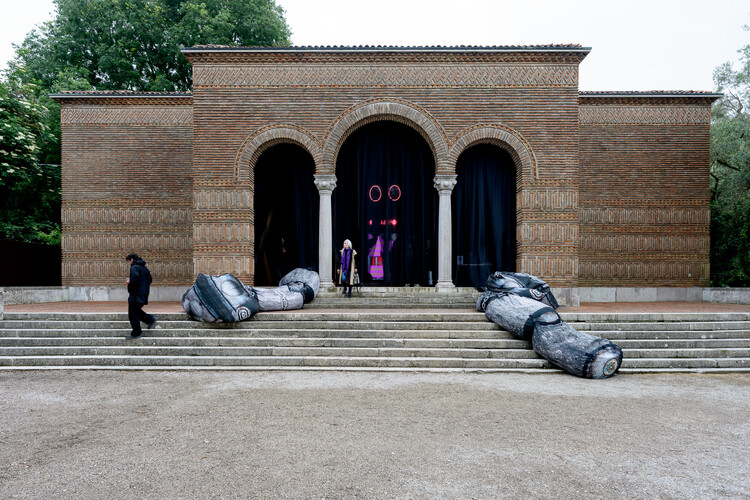
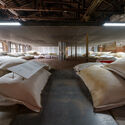
In December 2024, art curator Koyo Kouoh became the first African woman selected to curate the 61st International Art Exhibition of La Biennale di Venezia. She proposed an introspective and sensitive approach to the exhibition, shaped by themes of grief, memory, spirituality, and global exhaustion. Following her premature passing in May 2025, the Biennale decided to continue with the same curatorial project, titled In Minor Keys. Wolff Architects was appointed by Kouoh in early 2025 to realize the exhibition design and scenography, focused on "the transformative spatial power of the threshold as a portal to alternative comprehension and experiences." The event was inaugurated on Saturday, May 9, and will run until Sunday, November 22, 2026, across the Giardini della Biennale, the Arsenale di Venezia, and other locations throughout Venice.
8 National Pavilion Highlights from the 2026 Venice Art Biennale - Image 1 of 48 National Pavilion Highlights from the 2026 Venice Art Biennale - Image 2 of 48 National Pavilion Highlights from the 2026 Venice Art Biennale - Image 3 of 48 National Pavilion Highlights from the 2026 Venice Art Biennale - Image 4 of 48 National Pavilion Highlights from the 2026 Venice Art Biennale - More Images+ 80

Transparent Lightness: When Pneumatic Architecture Connects with the Environment

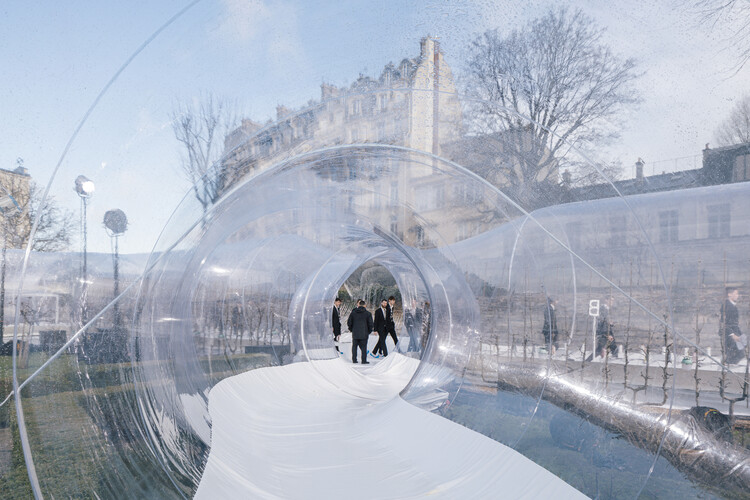
In Six Memos for the Next Millennium, Italo Calvino explores lightness from a literary perspective and argues, "Opposed to lightness is weight. Removing weight produces lightness; it is a value, not a defect." Drawing on Greek mythology, he reflects on one of Perseus's feats after severing the head of the terrible Gorgon Medusa without being turned to stone. Assisted by the gods Hades, Hermes, and Athena, Perseus flies with his winged sandals and uses a bronze shield as a mirror to reflect her image. Relying, like many architects, on what is lightest—the wind and the clouds—he also fixes his gaze on what is revealed through indirect vision: an image reflected in a mirror.

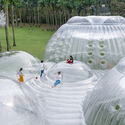
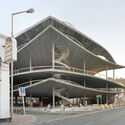
Historically, transparency has been naturalized as an inherent condition of modern architecture. With the shift from the heavy load-bearing wall to the lightweight glass envelope, glass was introduced into the discipline, blurring the boundaries between interior and exterior spaces. In connection with inflatable architecture, transparency is linked to lightness and impermanence, leaving temporary traces on the landscapes it inhabits. By using textiles or plastics as main materials and air as a structural system, the search for lightness in the built environment now recognizes more than a single atmosphere of application.

Transparent Lightness: When Pneumatic Architecture Connects with the Environment - Image 1 of 4Transparent Lightness: When Pneumatic Architecture Connects with the Environment - Image 2 of 4Transparent Lightness: When Pneumatic Architecture Connects with the Environment - Image 3 of 4Transparent Lightness: When Pneumatic Architecture Connects with the Environment - Image 4 of 4Transparent Lightness: When Pneumatic Architecture Connects with the Environment - More Images+ 15

The 12th Edition of Toronto’s Winter Stations Reveals Images of Five Winning Projects

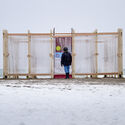
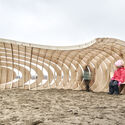
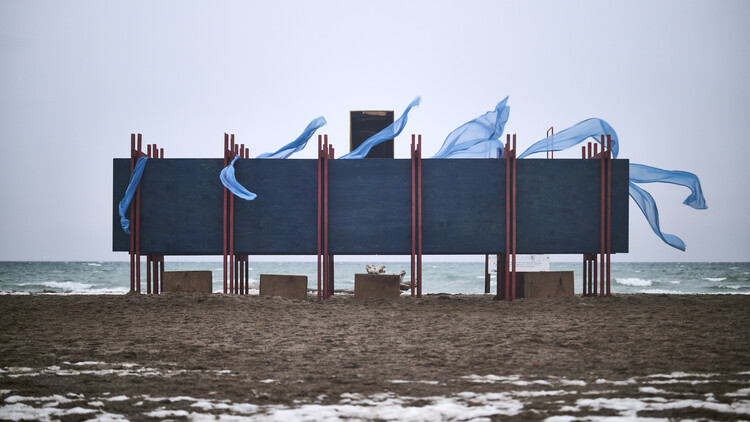
The annual Winter Stations design competition returns to Toronto for its twelfth edition, once again transforming the lifeguard stations of Woodbine Beach into temporary works of public art. On view from February 16 to March 30, 2026, this year's exhibition is organized under the theme Mirage, inviting participants to examine perception, illusion, and the shifting boundaries between what is seen and what is constructed. Selected from more than 300 international submissions, three winning proposals from Canada, the United States, and a GermanyUkraine collaboration are presented alongside two installations developed by university teams. Installed along the frozen shoreline of Lake Ontario, the projects reinterpret seasonal infrastructure as platforms for spatial experimentation during the winter months.

The 12th Edition of Toronto’s Winter Stations Reveals Images of Five Winning Projects - Image 1 of 4The 12th Edition of Toronto’s Winter Stations Reveals Images of Five Winning Projects - Image 2 of 4The 12th Edition of Toronto’s Winter Stations Reveals Images of Five Winning Projects - Image 3 of 4The 12th Edition of Toronto’s Winter Stations Reveals Images of Five Winning Projects - Image 4 of 4The 12th Edition of Toronto’s Winter Stations Reveals Images of Five Winning Projects - More Images+ 16

Festival Concéntrico 2026 Announces Three Selected Urban Installations From Its International Open Calls

Concéntrico is an urban innovation laboratory that invites reflection on the city through architecture and design. Since 2015, it has carried out more than 180 interventions in Logroño, Spain. The new 2025/2026 season of the festival expands on this experimental spirit with three international calls for proposals that bring the ideas in the book Concéntrico: Laboratorio de Innovación Urbana (Park Books, 2025) into action. Through these calls, the organization seeks to explore further three lines of research, the ephemeral, the ecological, and the symbolic, to imagine different ways of inhabiting the city. The winning projects from this edition's calls for entries will be developed, built as urban installations, and presented in the exhibition during the festival, taking place in Logroño from June 18–23, 2026.
Festival Concéntrico 2026 Announces Three Selected Urban Installations From Its International Open Calls - Image 1 of 4Festival Concéntrico 2026 Announces Three Selected Urban Installations From Its International Open Calls - Image 2 of 4Festival Concéntrico 2026 Announces Three Selected Urban Installations From Its International Open Calls - Image 3 of 4Festival Concéntrico 2026 Announces Three Selected Urban Installations From Its International Open Calls - Image 4 of 4Festival Concéntrico 2026 Announces Three Selected Urban Installations From Its International Open Calls - More Images+ 14

Timber Tectonics: 10 Projects Rethinking Wood Construction in Contemporary China

Subscriber Access | 

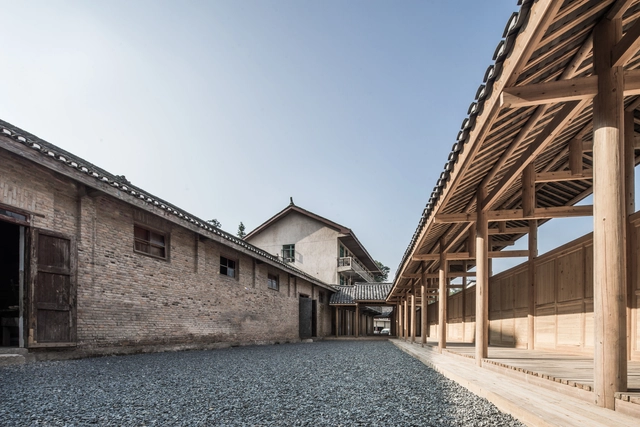
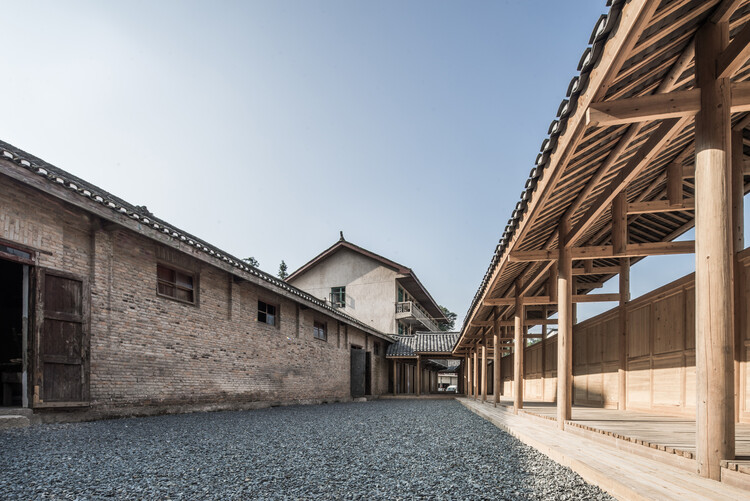
In much of China, concrete remains the dominant construction material. Despite growing concerns over its environmental impact, concrete continues to align with the priorities of many developers and clients—it is fast, cost-effective, and highly durable. As a result, most building types in China still rely heavily on concrete. This reliance is further reinforced by China's position as the world's largest producer of Portland cement. A deeply entrenched supply chain, rooted in raw material manufacturing and economic infrastructure, ensures that concrete remains the default choice in the construction industry.

Yet historically, Chinese architecture was built upon a rich tradition of timber construction. The Forbidden City is a prime example: not only is it emblematic of China's architectural heritage, but it also remains one of the largest and best-preserved collections of ancient wooden structures in the world. This legacy prompts an important question: does timber construction have a meaningful future in China's contemporary building industry?
Timber Tectonics: 10 Projects Rethinking Wood Construction in Contemporary China - Image 1 of 4Timber Tectonics: 10 Projects Rethinking Wood Construction in Contemporary China - Image 2 of 4Timber Tectonics: 10 Projects Rethinking Wood Construction in Contemporary China - Image 3 of 4Timber Tectonics: 10 Projects Rethinking Wood Construction in Contemporary China - Image 4 of 4Timber Tectonics: 10 Projects Rethinking Wood Construction in Contemporary China - More Images+ 42

ArchDaily Interviews From the 2025 Venice Architecture Biennale as the Exhibition Enters Its Final Week

As the 19th International Architecture Exhibition enters its final week before closing on November 23, the 2025 Venice Architecture Biennale offers a lens through which to revisit the ideas and experiments that have shaped this year's global architectural conversation. Curated by Carlo Ratti under the theme "Intelligens. Natural. Artificial. Collective.", the Biennale brings together more than 750 participants across national pavilions, collateral events, and city-wide installations. Framed around interconnected forms of intelligence, this edition examines architecture's role in navigating climatic instability, evolving technologies, and emerging forms of collaboration.

ArchDaily Interviews From the 2025 Venice Architecture Biennale as the Exhibition Enters Its Final Week - Image 1 of 4ArchDaily Interviews From the 2025 Venice Architecture Biennale as the Exhibition Enters Its Final Week - Image 2 of 4ArchDaily Interviews From the 2025 Venice Architecture Biennale as the Exhibition Enters Its Final Week - Image 3 of 4ArchDaily Interviews From the 2025 Venice Architecture Biennale as the Exhibition Enters Its Final Week - Image 4 of 4ArchDaily Interviews From the 2025 Venice Architecture Biennale as the Exhibition Enters Its Final Week - More Images+ 7

A Look at the 45 Award-Winning Pavilions of Expo 2025 Osaka

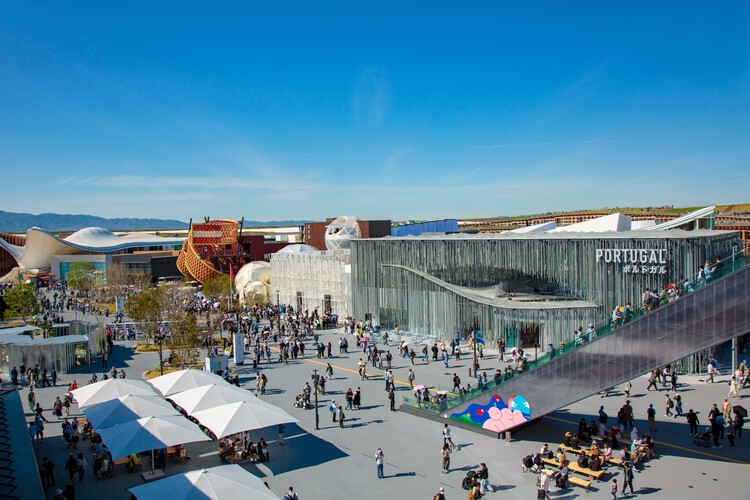
About a month after the closing of Expo 2025 Osaka, the designs and constructions presented at the world's fair remain as a legacy. While the Bahrain Pavilion, designed by Lina Ghotmeh Architecture, drew particular attention this year for receiving double recognition, it was one among many awarded projects. During the awards ceremony held on the penultimate night of the event, a total of 45 awards were presented among 165 participating countries. The Official Participant Awards are granted according to pavilion size and type, recognizing excellence in Architecture and Landscape (for self-built pavilions only), External Design (for module pavilions only), Exhibition Design, Theme Development, and Sustainability. The recipients were selected by an international jury of nine experts who visited all national and thematic pavilions during two evaluation sessions in May and October 2025. The following overview presents all 45 pavilions distinguished in the five categories of the Official Participant Awards.

A Look at the 45 Award-Winning Pavilions of Expo 2025 Osaka - Image 1 of 4A Look at the 45 Award-Winning Pavilions of Expo 2025 Osaka - Image 2 of 4A Look at the 45 Award-Winning Pavilions of Expo 2025 Osaka - Image 3 of 4A Look at the 45 Award-Winning Pavilions of Expo 2025 Osaka - Image 4 of 4A Look at the 45 Award-Winning Pavilions of Expo 2025 Osaka - More Images+ 15

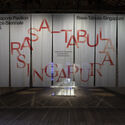
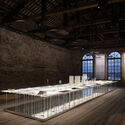
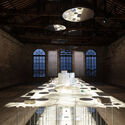
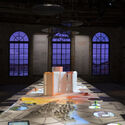
The Singapore Pavilion at the Venice Architecture Biennale Reimagines the City-State as a Dining Table

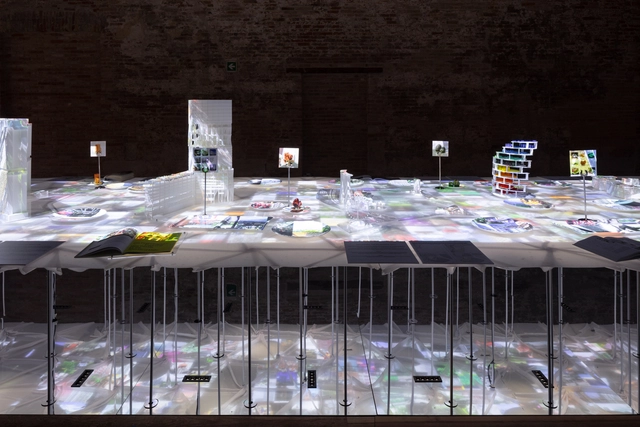
2025 marks the 60th anniversary of Singapore's independence, commemorating its separation from Malaysia on August 9, 1965. The occasion is celebrated in the country's national pavilion at the 19th Venice Architecture Biennale with a multisensory installation that honors Singapore's diversity and reimagines city-making through food, culture, and collective design. Titled RASA–TABULA–SINGAPURA, the installation invites visitors to take a seat at the Table of Superdiversity: an enticing reimagining of city-making and nation-building through the universal act of dining. According to the curatorial team from the Singapore University of Technology and Design (SUTD), the purpose of the installation is to showcase how the convergence of multicultural differences, collective histories, design, and new technology creates opportunities for more inclusive and adaptive urban futures.

The Singapore Pavilion at the Venice Architecture Biennale Reimagines the City-State as a Dining Table - Image 1 of 4The Singapore Pavilion at the Venice Architecture Biennale Reimagines the City-State as a Dining Table - Image 2 of 4The Singapore Pavilion at the Venice Architecture Biennale Reimagines the City-State as a Dining Table - Image 3 of 4The Singapore Pavilion at the Venice Architecture Biennale Reimagines the City-State as a Dining Table - Image 4 of 4The Singapore Pavilion at the Venice Architecture Biennale Reimagines the City-State as a Dining Table - More Images+ 20

One Month Until Closing: 10 Must-See National Pavilions at the 2025 Venice Architecture Biennale

As the 19th International Architecture Exhibition enters its final month before closing on November 23, the 2025 Venice Architecture Biennale continues to reaffirm its position as one of the most influential global platforms for contemporary architectural discourse. Opened to the public on May 10 under the curatorship of Italian architect Carlo Ratti, this edition, titled "Intelligens. Natural. Artificial. Collective." brings together over 750 participants across 65 national pavilions, 11 collateral events, and numerous parallel initiatives throughout the city. Structured around the themes of Natural, Artificial, and Collective Intelligence, the Biennale examines how architecture can respond to the intertwined challenges of climate adaptation, technological transformation, and social collaboration.

One Month Until Closing: 10 Must-See National Pavilions at the 2025 Venice Architecture Biennale - Image 1 of 4One Month Until Closing: 10 Must-See National Pavilions at the 2025 Venice Architecture Biennale - Image 2 of 4One Month Until Closing: 10 Must-See National Pavilions at the 2025 Venice Architecture Biennale - Image 3 of 4One Month Until Closing: 10 Must-See National Pavilions at the 2025 Venice Architecture Biennale - Image 4 of 4One Month Until Closing: 10 Must-See National Pavilions at the 2025 Venice Architecture Biennale - More Images+ 6

Climate, Craft, and Continuity: Behind the Global Recognition of Bahrain’s Architecture

Bahrain's architectural participations in the international exhibitions have gained increasing global recognition, marked most recently by major awards at Expo 2025 Osaka and the Venice Architecture Biennale. These milestones reflect a broader trajectory in which the country's design culture, rooted in climatic intelligence and cultural continuity, has become a prominent voice in international conversations on context-driven architecture.

This growing visibility builds upon a deep architectural lineage. Bahrain's identity has long been shaped by its position as a maritime crossroads of the Arabian Gulf, where the legacy of pearling settlements and the compact urban fabric of Muharraq and Manama reveal a dialogue between local traditions and global exchange. Today, that dialogue evolves through practices that merge preservation with experimentation, translating heritage into a contemporary architectural language that is both place-specific and forward-looking.

Climate, Craft, and Continuity:  Behind the Global Recognition of Bahrain’s Architecture - Image 1 of 4Climate, Craft, and Continuity:  Behind the Global Recognition of Bahrain’s Architecture - Image 2 of 4Climate, Craft, and Continuity:  Behind the Global Recognition of Bahrain’s Architecture - Image 3 of 4Climate, Craft, and Continuity:  Behind the Global Recognition of Bahrain’s Architecture - Image 4 of 4Climate, Craft, and Continuity:  Behind the Global Recognition of Bahrain’s Architecture - More Images+ 4

Expo Osaka 2025 Concludes After Six Months of Discussions on Saving, Empowering, and Connecting Lives

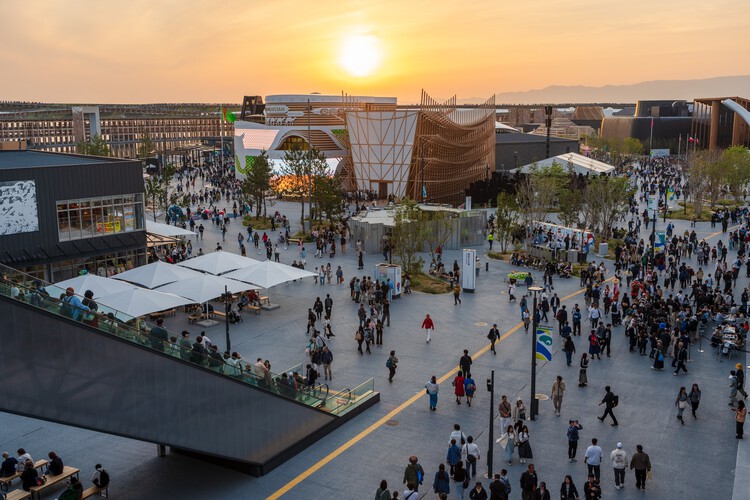
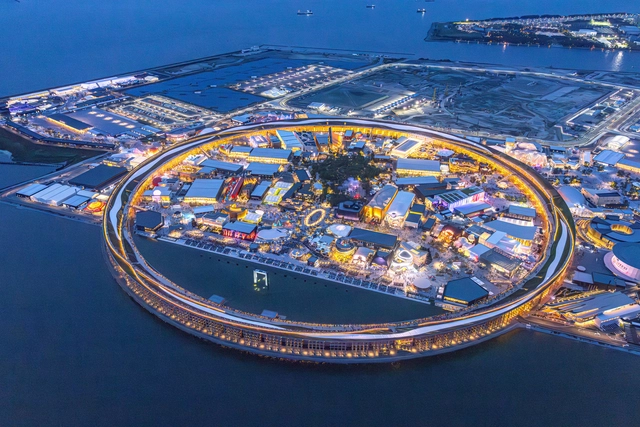
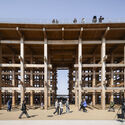
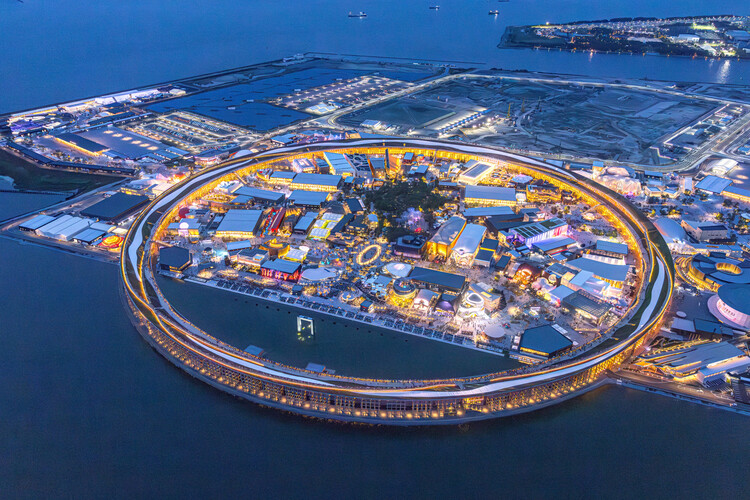
Monday, October 13th, marked the conclusion of Expo Osaka 2025. The exhibition gathered representatives from 165 countries and international organizations and welcomed around 28 million visitors to Yumeshima, a reclaimed site in Osaka Bay. The site was reimagined through a masterplan and bounded by a Guinness World Record-breaking wooden circular structure, both designed by Sou Fujimoto Architects. Over 184 days, participants were able to visit the self-built, modular, and shared pavilions, national exhibitions, and public activities organized under the overarching theme "Designing Future Society for Our Lives." During its six-month run, the Expo set out to explore three pivotal subthemes, Saving Lives, Empowering Lives, and Connecting Lives, as an invitation to bring together new perspectives for our built and social ecosystem.

Expo Osaka 2025 Concludes After Six Months of Discussions on Saving, Empowering, and Connecting Lives - Image 1 of 4Expo Osaka 2025 Concludes After Six Months of Discussions on Saving, Empowering, and Connecting Lives - Image 2 of 4Expo Osaka 2025 Concludes After Six Months of Discussions on Saving, Empowering, and Connecting Lives - Image 3 of 4Expo Osaka 2025 Concludes After Six Months of Discussions on Saving, Empowering, and Connecting Lives - Image 4 of 4Expo Osaka 2025 Concludes After Six Months of Discussions on Saving, Empowering, and Connecting Lives - More Images+ 5

Halfway Through Expo 2025 Osaka: 10 Must-Visit Pavilions

As Expo 2025 Osaka passes the midpoint of its six-month duration on July 13, the international exposition continues to serve as a global platform for architectural experimentation, cultural exchange, and technological innovation. Officially opened on April 13 on the reclaimed island of Yumeshima, the event is organized under the theme "Designing Future Society for Our Lives," and has already welcomed more than 13 million visitors as of late July. Conceived as a space for collaboration across disciplines and borders, the Expo brings together more than 150 national, thematic, and corporate pavilions.

Halfway Through Expo 2025 Osaka: 10 Must-Visit Pavilions - Image 1 of 4Halfway Through Expo 2025 Osaka: 10 Must-Visit Pavilions - Image 2 of 4Halfway Through Expo 2025 Osaka: 10 Must-Visit Pavilions - Image 3 of 4Halfway Through Expo 2025 Osaka: 10 Must-Visit Pavilions - Image 4 of 4Halfway Through Expo 2025 Osaka: 10 Must-Visit Pavilions - More Images+ 6

Moroccan Pavilion at the Venice Architecture Biennale Showcases Earth as a Sustainable Building Material

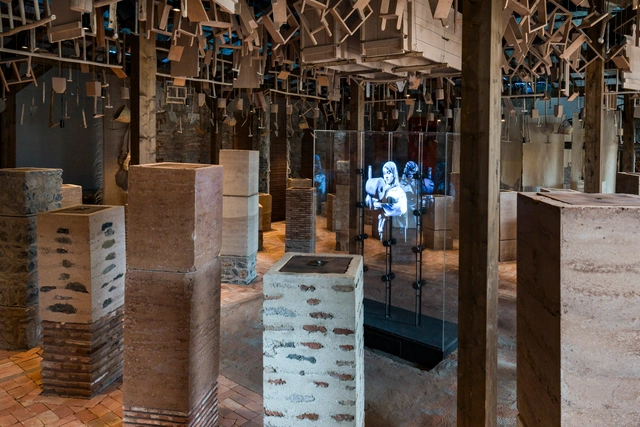
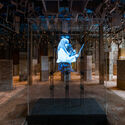
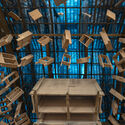
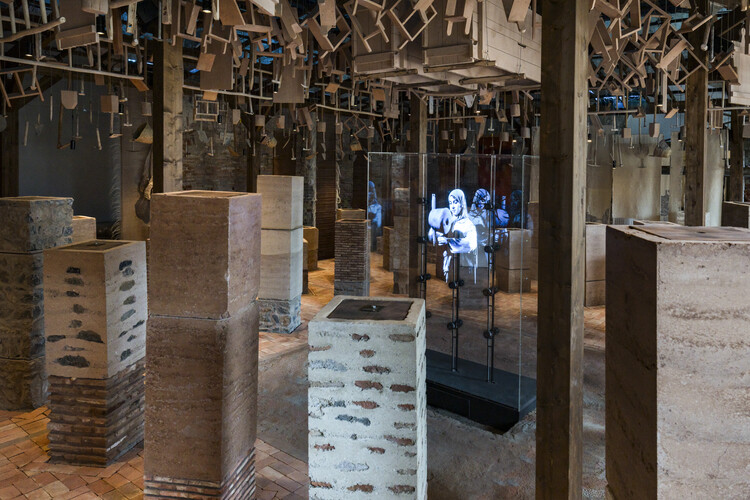
The Kingdom of Morocco's exhibition at the 19th International Architecture Exhibition – La Biennale di Venezia highlights Moroccan earth architecture and traditional construction techniques. The exhibition, titled Materiae Palimpsest, was curated by architects Khalil Morad El Ghilali and El Mehdi Belyasmine. In an exploration that blends ancient techniques with digital technologies, the exhibit features textile works by architect and artist Soumyia Jalal, along with holograms of artisans and tactile installations. The narrative presents earth as a renewable resource and sustainable material, and earth construction as a key to both preserving architectural heritage and addressing contemporary ecological and social challenges. Materiae Palimpsest offers an invitation to rethink architecture's current relationship with building materials, opening the way to locally rooted construction methods.

Moroccan Pavilion at the Venice Architecture Biennale Showcases Earth as a Sustainable Building Material - Image 1 of 4Moroccan Pavilion at the Venice Architecture Biennale Showcases Earth as a Sustainable Building Material - Image 2 of 4Moroccan Pavilion at the Venice Architecture Biennale Showcases Earth as a Sustainable Building Material - Image 3 of 4Moroccan Pavilion at the Venice Architecture Biennale Showcases Earth as a Sustainable Building Material - Image 4 of 4Moroccan Pavilion at the Venice Architecture Biennale Showcases Earth as a Sustainable Building Material - More Images+ 17

10 Pavilion Highlights from the London Design Biennale 2025

The fifth edition of the London Design Biennale is taking place at Somerset House from 5 to 29 June 2025. The theme of this year's edition is "Surface Reflections," an invitation to explore "the dynamic interplay between internal experience and external influence." The curatorial proposal, set by British artist and designer Samuel Ross, encourages a focus on the underlying layers of the objects, systems, and spaces that shape our daily lives. The Biennale exhibition is a journey through 35 pavilions by countries, institutional design teams, and curators, presenting soundscapes, immersive experiences, and performances, as well as sculptural and evocative objects. To confront contemporary global challenges, topics include identity, memory, innovation, technology, craftsmanship, ecology, and belonging.

10 Pavilion Highlights from the London Design Biennale 2025 - Image 1 of 410 Pavilion Highlights from the London Design Biennale 2025 - Image 2 of 410 Pavilion Highlights from the London Design Biennale 2025 - Image 3 of 410 Pavilion Highlights from the London Design Biennale 2025 - Image 4 of 410 Pavilion Highlights from the London Design Biennale 2025 - More Images+ 42

CCA Releases Documentary on Carla Juaçaba’s Work to Support Forest Conservation in Brazil's Coffee Region

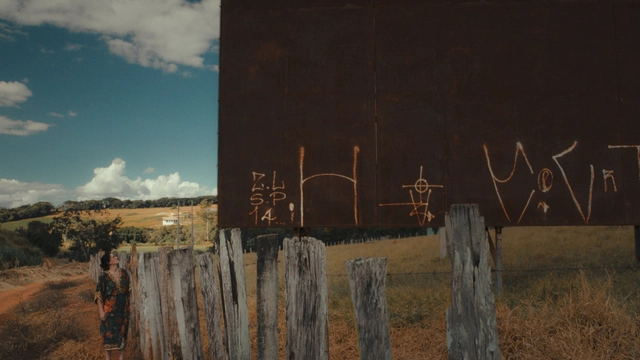
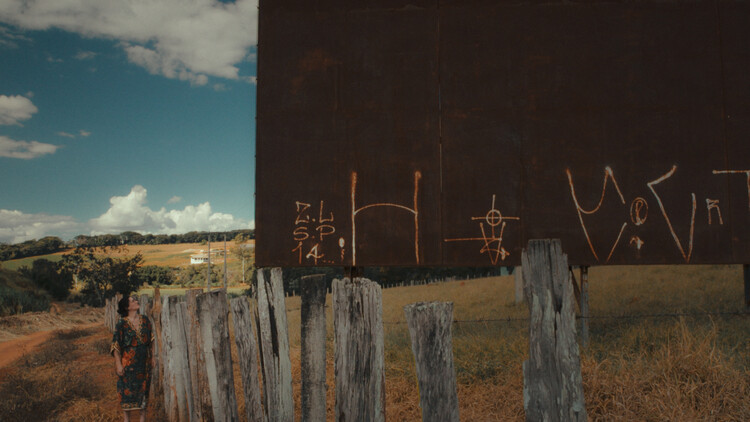
The Canadian Centre for Architecture (CCA) launched a documentary and exhibition, "With an Acre", the third and final chapter of the series Groundwork, which explores how contemporary architects cultivate alternative modes of practice to address the ecological crisis. The documentary follows the work of architect Carla Juaçaba in Minas Gerais, Brazil, where she is developing pavilions in a coffee field where collectives resist extractive industrial agriculture. The narrative examines the role of architects in extractivist contexts facing land regeneration challenges and unstable climatic conditions, as well as the tools smallholder farmers can use to cope with the environmental and social consequences of colonial settlement, urbanization, and industrialization.

CCA Releases Documentary on Carla Juaçaba’s Work to Support Forest Conservation in Brazil's Coffee Region - Image 6 of 4CCA Releases Documentary on Carla Juaçaba’s Work to Support Forest Conservation in Brazil's Coffee Region - Image 5 of 4CCA Releases Documentary on Carla Juaçaba’s Work to Support Forest Conservation in Brazil's Coffee Region - Image 1 of 4CCA Releases Documentary on Carla Juaçaba’s Work to Support Forest Conservation in Brazil's Coffee Region - Image 2 of 4CCA Releases Documentary on Carla Juaçaba’s Work to Support Forest Conservation in Brazil's Coffee Region - More Images+ 9