1. ArchDaily
  2. Pavilions

Pavilions: The Latest Architecture and News

Conservation Campaign by Melbourne Citizens Successfully Extends Tadao Ando’s MPavilion until 2030

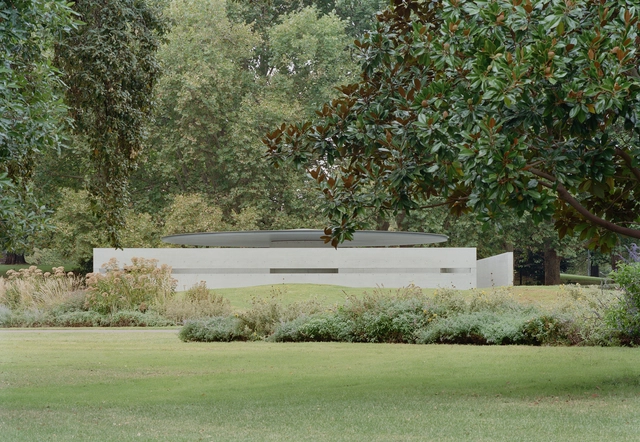
Every year, the Naomi Milgrom Foundation commissions an architect to design a temporary pavilion for the Queen Victoria Gardens, in the center of Melbourne's Southbank Arts Precinct. The pavilions are then transferred to the state of Victoria. The tenth edition of the MPavilion was designed by Pritzker Prize Laureate Tadao Ando as his first and only built work in Australia and the southern hemisphere. The pavilion opened on November 16, 2023, and its presence was extended until March 2025, hosting a wide-ranging program of cultural events over two summer seasons. After facing demolition, given the temporary nature of the initiative, a community-led program, "Preserve the Pavilion", was launched in hopes of preserving the building. The Naomi Milgrom Foundation has recently announced that the pavilion will remain in Queen Victoria Gardens until 2030, following a decision by the City of Melbourne.


Conservation Campaign by Melbourne Citizens Successfully Extends Tadao Ando’s MPavilion until 2030 - Image 1 of 4Conservation Campaign by Melbourne Citizens Successfully Extends Tadao Ando’s MPavilion until 2030 - Image 2 of 4Conservation Campaign by Melbourne Citizens Successfully Extends Tadao Ando’s MPavilion until 2030 - Image 3 of 4Conservation Campaign by Melbourne Citizens Successfully Extends Tadao Ando’s MPavilion until 2030 - Image 4 of 4Conservation Campaign by Melbourne Citizens Successfully Extends Tadao Ando’s MPavilion until 2030 - More Images+ 4

TAC! 2025 Urban Architecture Festival: Winning Pavilions Celebrate Local Materials and Coastal Culture in Spain

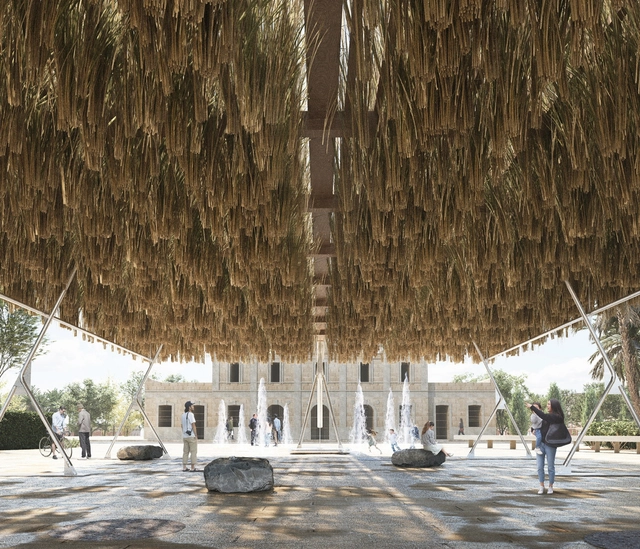
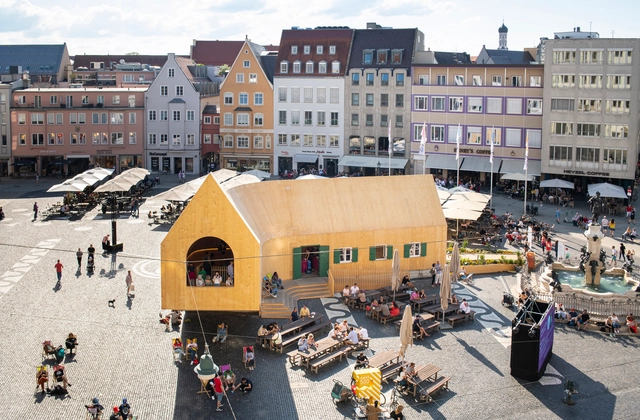
The TAC! Urban Architecture Festival is held annually in Spain with the aim of bringing contemporary architecture closer to the public through installations in various cities, including Granada, San Sebastián, Valencia, Vigo, and San Fernando. Organized by the Ministry of Housing and Urban Agenda in collaboration with Fundación Arquia, the festival seeks to promote experimentation in architecture by constructing temporary pavilions for cultural events and gatherings. The 2025 edition of the festival will take place in two locations: Casa Mediterráneo in Alicante and Plaza Stagno in Las Palmas de Gran Canaria. The pavilions are selected each year through an open call for young architects up to 45 years old. This year's winners have already been announced: the ESPARTAL project by ELE Arkitektura, GA Estudio, Florencia Galecio, and Juan Gubbins; and DE ROCA MADRE by Alejandro Carrasco Hidalgo, Eduardo Cilleruelo Terán, Alberto Martínez García, and Andrea Molina Cuadro.

TAC! 2025 Urban Architecture Festival: Winning Pavilions Celebrate Local Materials and Coastal Culture in Spain - Image 1 of 4TAC! 2025 Urban Architecture Festival: Winning Pavilions Celebrate Local Materials and Coastal Culture in Spain - Image 2 of 4TAC! 2025 Urban Architecture Festival: Winning Pavilions Celebrate Local Materials and Coastal Culture in Spain - Image 3 of 4TAC! 2025 Urban Architecture Festival: Winning Pavilions Celebrate Local Materials and Coastal Culture in Spain - Image 4 of 4TAC! 2025 Urban Architecture Festival: Winning Pavilions Celebrate Local Materials and Coastal Culture in Spain - More Images+ 14

Copenhagen Architecture Biennial 2025 Reveals 'Slow Pavilion' Designs Built from Reused Materials

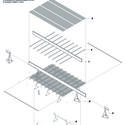
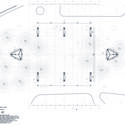
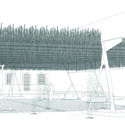
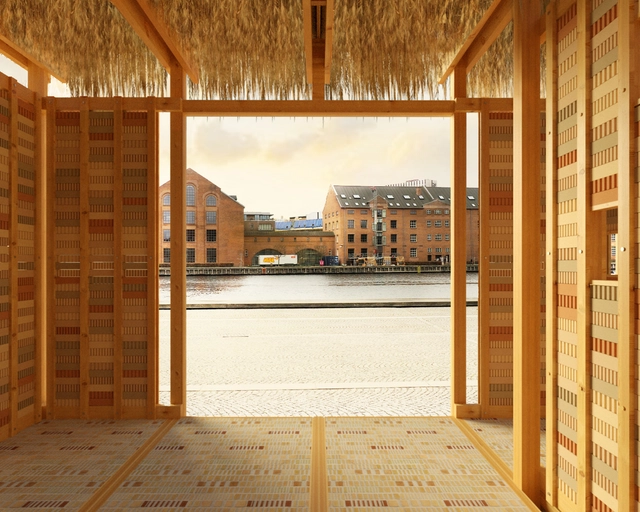
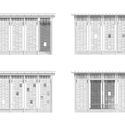
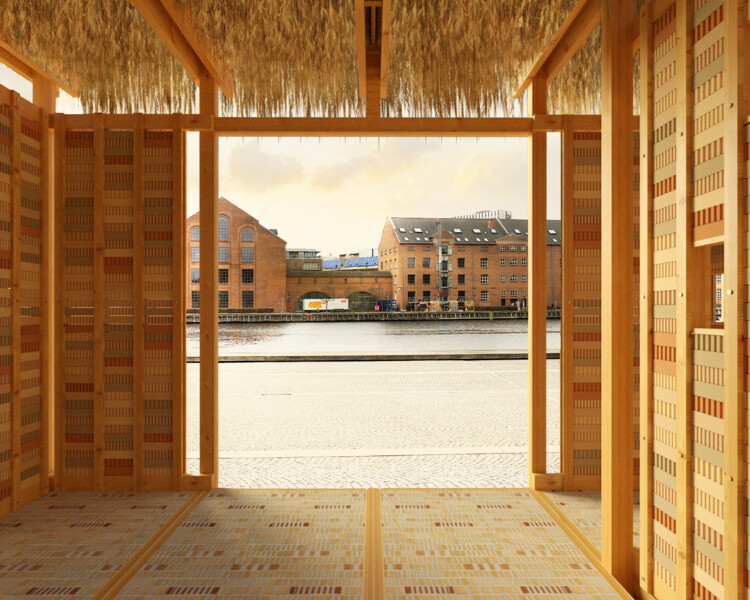
The first edition of the Copenhagen Architecture Biennial will take place from 18 September to 19 October 2025. Organized by CAFx (Copenhagen Architecture Forum), the event marks a transition from the previous annual Copenhagen Architecture Festival to a more expansive platform for architectural exploration. The theme of the inaugural edition, "Slow Down," invites participants to reflect on how the rapid pace of modern life affects the built environment. According to the organizers, this thematic shift encourages the envisioning of spaces that promote sustainability, longevity, and mindful engagement with our surroundings. In line with this vision, the organization launched an open call earlier this year for pavilion proposals that embody principles of circular design while serving as hubs for public programming during the event. Two winning proposals, modular structures by Slaatto Morsbøl and Tom Svilans x THISS Studio, were selected, each offering an approach to architectural deceleration.

Copenhagen Architecture Biennial 2025 Reveals 'Slow Pavilion' Designs Built from Reused Materials - Image 1 of 4Copenhagen Architecture Biennial 2025 Reveals 'Slow Pavilion' Designs Built from Reused Materials - Image 2 of 4Copenhagen Architecture Biennial 2025 Reveals 'Slow Pavilion' Designs Built from Reused Materials - Image 3 of 4Copenhagen Architecture Biennial 2025 Reveals 'Slow Pavilion' Designs Built from Reused Materials - Image 4 of 4Copenhagen Architecture Biennial 2025 Reveals 'Slow Pavilion' Designs Built from Reused Materials - More Images+ 5

Nothing Is Lost, Everything Transforms: The Reusable Future of the Biennial’s Structures

At the end of each edition of the Architecture Biennale, far from the public eye, tons of exhibition materials are transported across Venice in handcarts and boats. Only a small portion of these materials is reused. The main obstacles are the limited storage space in Venice and the high logistical costs—recurring challenges for circular architecture. As a result, most of the waste ends up in landfills or nearby recycling centers. But this scenario is beginning to change. In response to growing environmental concerns, architects are developing strategies to make reuse more viable. These efforts go beyond architectural and construction decisions—they also involve logistics and international trade.

Nothing Is Lost, Everything Transforms: The Reusable Future of the Biennial’s Structures - Image 1 of 4Nothing Is Lost, Everything Transforms: The Reusable Future of the Biennial’s Structures - Image 2 of 4Nothing Is Lost, Everything Transforms: The Reusable Future of the Biennial’s Structures - Image 3 of 4Nothing Is Lost, Everything Transforms: The Reusable Future of the Biennial’s Structures - Image 4 of 4Nothing Is Lost, Everything Transforms: The Reusable Future of the Biennial’s Structures - More Images+ 9

Croatian Pavilion at the 2025 Venice Architecture Biennale Explores the "Intelligence of Errors"

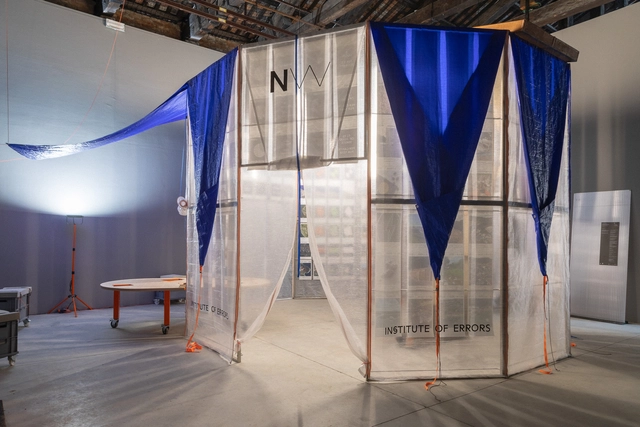
The Croatian Pavilion presents "Intelligence of Errors" at the 19th International Architecture Exhibition – La Biennale di Venezia, an artistic and research-driven project that repositions spatial and policy-related errors as generative tools for design. Commissioned by the Ministry of Culture and Media of the Republic of Croatia, the exhibition is curated by Ida Križaj Leko, a practicing architect and head of the interdisciplinary university specialist program Urban Studies at the University of Rijeka. In dialogue with the central Biennale theme, Intelligens. Natural. Artificial. Collective., the pavilion investigates how recognizing and analyzing errors can contribute to the development of collective intelligence under non-ideal conditions.

Croatian Pavilion at the 2025 Venice Architecture Biennale Explores the "Intelligence of Errors" - Image 1 of 4Croatian Pavilion at the 2025 Venice Architecture Biennale Explores the "Intelligence of Errors" - Image 2 of 4Croatian Pavilion at the 2025 Venice Architecture Biennale Explores the "Intelligence of Errors" - Image 3 of 4Croatian Pavilion at the 2025 Venice Architecture Biennale Explores the "Intelligence of Errors" - Image 4 of 4Croatian Pavilion at the 2025 Venice Architecture Biennale Explores the Intelligence of Errors - More Images+ 21

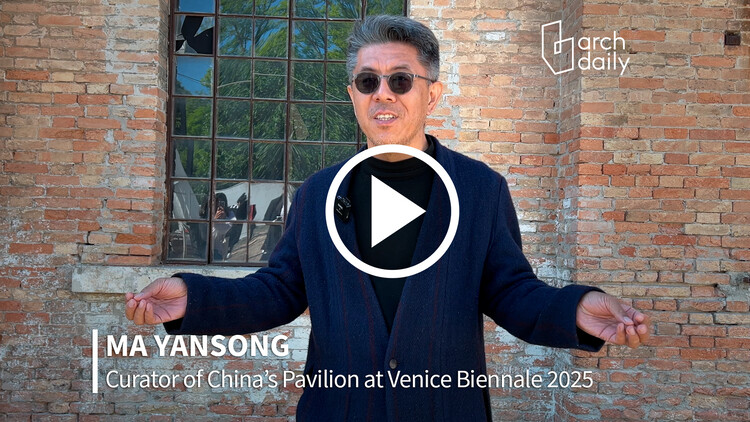
“It’s All About Human, Nature, and Emotion”: In Conversation With Ma Yansong, Curator of the Chinese Pavilion

At the 19th Venice Architecture Biennale, the Chinese Pavilion presents Coexist, an exhibition curated by Ma Yansong, founder of MAD Architects. The pavilion assembles ten interdisciplinary teams, spanning architects, scholars, students, scientists, and even social media participants, to collectively investigate the potential of architecture to reconcile contradictions between tradition and futurity, artificial and nature, technology and emotion. Rather than presenting a singular vision, Coexist aims to open space for responses to the diverse realities shaping contemporary architecture. While on site in Venice, ArchDaily's editors had the opportunity to discuss the ideas that shaped the Chinese Pavilion with the curator.

“It’s All About Human, Nature, and Emotion”: In Conversation With Ma Yansong, Curator of the Chinese Pavilion - Image 1 of 4“It’s All About Human, Nature, and Emotion”: In Conversation With Ma Yansong, Curator of the Chinese Pavilion - Image 2 of 4“It’s All About Human, Nature, and Emotion”: In Conversation With Ma Yansong, Curator of the Chinese Pavilion - Image 3 of 4“It’s All About Human, Nature, and Emotion”: In Conversation With Ma Yansong, Curator of the Chinese Pavilion - Image 4 of 4“It’s All About Human, Nature, and Emotion”: In Conversation With Ma Yansong, Curator of the Chinese Pavilion - More Images

The Holy See Pavilion Presents a Living Practice of Restoration at the Venice Architecture Biennale 2025

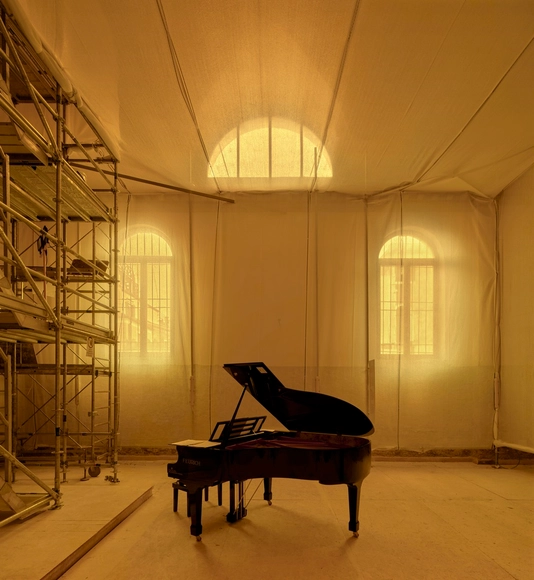
At the 19th International Architecture Exhibition, La Biennale di Venezia, the Dicastery for Culture and Education presents "Opera Aperta", a project that positions architecture as a practice of collective care and responsibility. Curated by Marina Otero Verzier and Giovanna Zabotti, Opera Aperta is set within the Santa Maria Ausiliatrice Complex in Venice's Castello district. Designed by Tatiana Bilbao ESTUDIO and MAIO Architects, the project transforms the 500-square-meter site into a space for collaborative restoration and public engagement. Conceived as a work in progress rather than a finished installation, Opera Aperta functions as a platform for ongoing exchange, participation, and engagement rooted in the local context. This open and process-oriented approach was recognized during the opening events, where the Holy See Pavilion received the Golden Lion's Special Mention for National Participation.

The Holy See Pavilion Presents a Living Practice of Restoration at the Venice Architecture Biennale 2025 - Image 1 of 4The Holy See Pavilion Presents a Living Practice of Restoration at the Venice Architecture Biennale 2025 - Image 2 of 4The Holy See Pavilion Presents a Living Practice of Restoration at the Venice Architecture Biennale 2025 - Image 3 of 4The Holy See Pavilion Presents a Living Practice of Restoration at the Venice Architecture Biennale 2025 - Image 4 of 4The Holy See Pavilion Presents a Living Practice of Restoration at the Venice Architecture Biennale 2025 - More Images+ 6

Pavilions in Urban Spaces: On the Experimentation, Recycling, and Reuse of Materials

Subscriber Access | 

How do pavilions emerge in architecture? What role do they play in urban spaces? Beyond the multiple interpretations that exist around the world, the pavilion, as an architectural principle and typology, tends toward extroversion, often associated with a centrifugal nature and visual openness toward the horizon, which is linked to its origins as a tent offering shelter from the elements. Pavilions are usually identified as isolated and independent structures that can promote lateral openings in the urban space, panoramic or introspective views, technological reflections, and material experiments that are recognizable from the outside or once inside.

Pavilions in Urban Spaces: On the Experimentation, Recycling, and Reuse of Materials - Image 1 of 4Pavilions in Urban Spaces: On the Experimentation, Recycling, and Reuse of Materials - Image 2 of 4Pavilions in Urban Spaces: On the Experimentation, Recycling, and Reuse of Materials - Image 3 of 4Pavilions in Urban Spaces: On the Experimentation, Recycling, and Reuse of Materials - Image 4 of 4Pavilions in Urban Spaces: On the Experimentation, Recycling, and Reuse of Materials - More Images+ 26

“Architecture is Survival”: In Conversation with Curator Carlo Ratti at the 2025 Venice Architecture Biennale

The 2025 Venice Architecture Biennale, titled Intelligens. Natural. Artificial. Collective. and curated by Carlo Ratti, has just opened for previews. Following the public opening on Saturday, May 10, the exhibition will run through November 23, 2025. While on site in Venice, ArchDaily had the chance to meet with the curator Carlo Ratti to discuss the first impressions and the main themes of this edition of the Biennale. Featuring 65 national pavilions, 11 collateral events, and over 300 contributions from more than 700 participants, the 2025 Venice Architecture Biennale is set to be the largest in the Biennale's history.

The 2025 Venice Architecture Biennale Opens on Saturday, May 10th

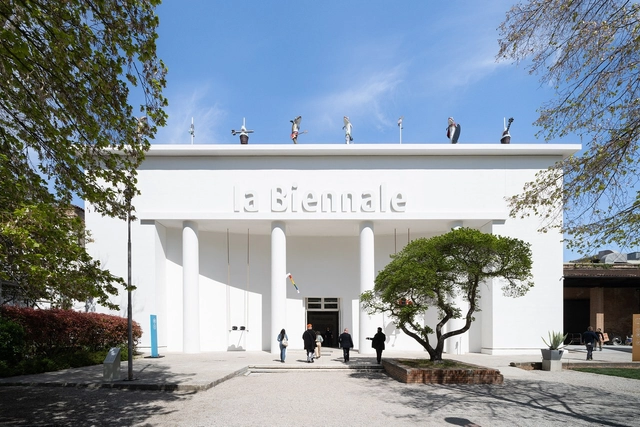
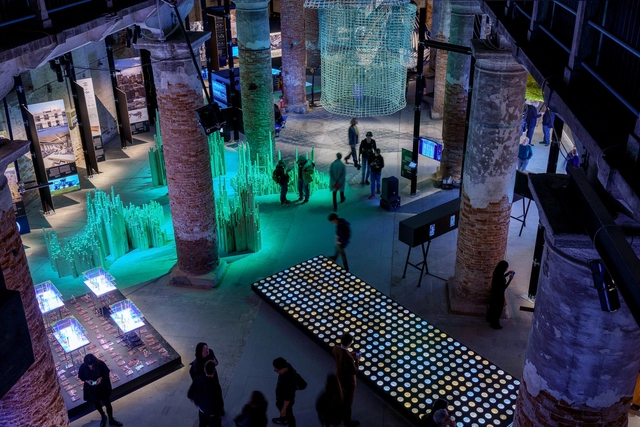
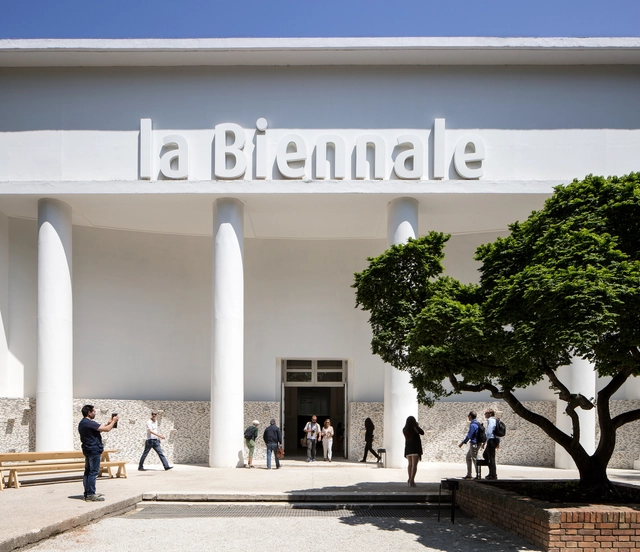
The 19th edition of one of the world's most renowned architectural events opens to the public this week. The 2025 Venice Architecture Biennale, titled Intelligens. Natural. Artificial. Collective. and curated by Carlo Ratti, will run from Saturday, May 10, to Sunday, November 23, 2025. This year's edition stands out for both its scale and its expanded range of venues, partly due to the ongoing renovation of traditional sites such as the Central Pavilion in the Giardini. The event is set to transform Venice into what the curator describes as "a living laboratory."

The inauguration ceremony, to be held on May 10, will also feature the announcement of the official awards by the International Jury, chaired by Hans Ulrich Obrist and composed of Paola Antonelli and Mpho Matsipa. On this occasion, the Golden Lion for Lifetime Achievement will be presented to philosopher Donna Haraway, while the Special Golden Lion in Memoriam will honor the late architect Italo Rota. Alongside the international exhibition, national participations and a broad range of special events will explore the Biennale's invitation, making this one of the most extensive architecture exhibitions in the Biennale's history.

The 2025 Venice Architecture Biennale Opens on Saturday, May 10th - Image 1 of 4The 2025 Venice Architecture Biennale Opens on Saturday, May 10th - Image 2 of 4The 2025 Venice Architecture Biennale Opens on Saturday, May 10th - Image 3 of 4The 2025 Venice Architecture Biennale Opens on Saturday, May 10th - Image 4 of 4The 2025 Venice Architecture Biennale Opens on Saturday, May 10th - More Images+ 12

Meet the Full List of the 65 National Pavilions at the 2025 Venice Architecture Biennale

Titled Intelligens. Natural. Artificial. Collective. and curated by Carlo Ratti, the 2025 Venice Architecture Biennale will be holding the 19th International Architecture Exhibition from May 10 to November 23, 2025.

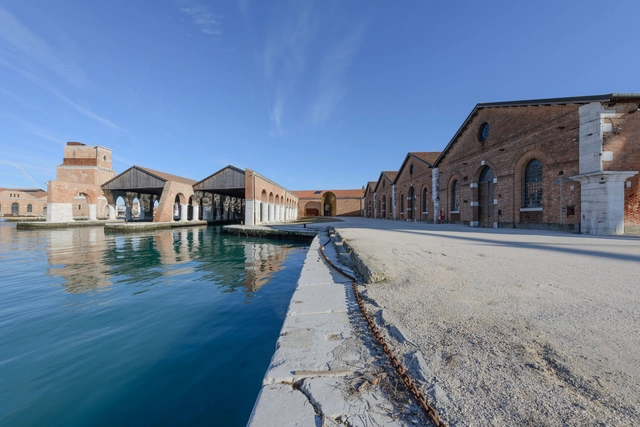
The 2025 edition of the Venice Architecture Biennale is hosting a total of 65 National Pavilions. Among them, four countries, Azerbaijan, Oman, Qatar, and Togo, will be participating for the first time. The exhibition will unfold across three main locations: 26 pavilions at the Giardini, 22 at the Arsenale, and 15 spread throughout Venice's city center. The exhibition will bring together over 750 participants, forming interdisciplinary and multi-generational teams, and is anticipated to be the largest in the Biennale's history.

Meet the Full List of the 65 National Pavilions at the 2025 Venice Architecture Biennale - Image 1 of 4Meet the Full List of the 65 National Pavilions at the 2025 Venice Architecture Biennale - Image 2 of 4Meet the Full List of the 65 National Pavilions at the 2025 Venice Architecture Biennale - Image 3 of 4Meet the Full List of the 65 National Pavilions at the 2025 Venice Architecture Biennale - Image 4 of 4Meet the Full List of the 65 National Pavilions at the 2025 Venice Architecture Biennale - More Images+ 55

Everything You Need to Know about the Venice Architecture Biennale 2025

Next week, the world of architecture will focus its attention on Italy for the opening of the 19th edition of the Venice Architecture Biennale. This year’s edition, titled Intelligens. Natural. Artificial. Collective, promises to bring together over 750 participants in a multifaceted exploration of architecture’s role in adapting to climate change, shifting populations, and artificial forms of intelligence. According to the figures released, curator Carlo Ratti’s call is projected to be the largest Architecture Biennale ever held in Venice. Below, we answer 10 of the most frequently asked questions about the 2025 Venice Architecture Biennale.

Everything You Need to Know about the Venice Architecture Biennale 2025 - Image 1 of 4Everything You Need to Know about the Venice Architecture Biennale 2025 - Image 2 of 4Everything You Need to Know about the Venice Architecture Biennale 2025 - Image 3 of 4Everything You Need to Know about the Venice Architecture Biennale 2025 - Image 4 of 4Everything You Need to Know about the Venice Architecture Biennale 2025 - More Images+ 13

The Azerbaijan Pavilion Explores Regeneration, Innovation, and Preservation at Its First Venice Architecture Biennale

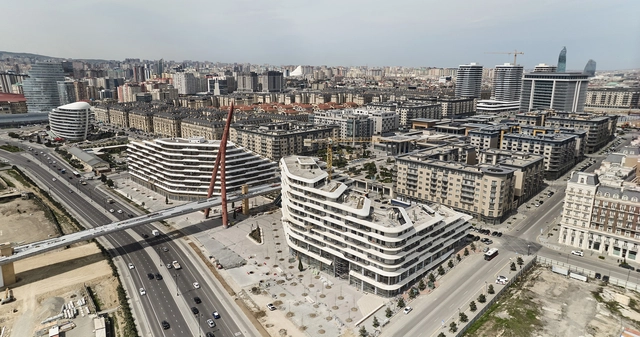
The Azerbaijan national pavilion, participating in the Venice Architecture Biennale for the first time, presents Equilibrium. Patterns of Azerbaijan. Curated by Nigar Gardashkhanova, the exhibition aligns with the overarching theme of this year's Biennale Intelligens. Natural. Artificial. Collective. Focusing on innovative design responses to the climate crisis, the pavilion emphasizes the principles of Regenerate. Innovate. Preserve. Featuring projects commissioned by Rashad Aslanov, the exhibition showcases contributions from the Azerbaijan Development Company (ADEC), Simmetrico Architettura, and Adalat Mammadov. Organized by the Heydar Aliyev Foundation and the Ministry of Culture of the Republic of Azerbaijan, with support from the Embassy of Azerbaijan in Italy, the exhibition will run from May 10 to November 23, 2025, at Castello 2127/A, near the Arsenale.

The Azerbaijan Pavilion Explores Regeneration, Innovation, and Preservation at Its First Venice Architecture Biennale - Image 1 of 4The Azerbaijan Pavilion Explores Regeneration, Innovation, and Preservation at Its First Venice Architecture Biennale - Image 2 of 4The Azerbaijan Pavilion Explores Regeneration, Innovation, and Preservation at Its First Venice Architecture Biennale - Image 3 of 4The Azerbaijan Pavilion Explores Regeneration, Innovation, and Preservation at Its First Venice Architecture Biennale - Image 4 of 4The Azerbaijan Pavilion Explores Regeneration, Innovation, and Preservation at Its First Venice Architecture Biennale - More Images+ 19

Venice Architecture City Guide: 15 Historical and Contemporary Attractions to Discover in Italy’s City of Canals

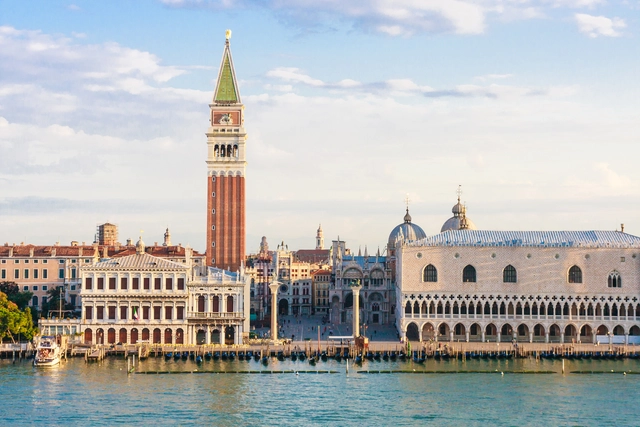
Built on a cluster of 118 small islands in the shallow Venetian Lagoon, the city of Venice, Italy, has captivated the imagination of architects and tourists alike. The area has been inhabited since ancient times, becoming a major financial and maritime power during the Middle Ages and Renaissance, as proven through the rich architecture that characterizes the city to this day. With influences from the Byzantine, Gothic, and Renaissance styles, the city represents a palimpsest of architectural narratives, overlapping and influencing each other. In recent years, Venice has become a major attraction for architects drawn to the La Biennale di Venezia, the most important Architectural Exhibition featuring national pavilions, exhibitions, and events to explore new concepts and architectural innovations.

Beyond the Biennale, Venice itself is an open-air museum for architecture lovers. While the city is best known for its historical buildings, Modernist and contemporary interventions add a new layer of interest, with many contemporary architects working with the historical fabric, like OMA's intervention and rehabilitation of Fondaco dei Tedeschi, or David Chipperfield's renovation of Procuratie Vecchie, one of the buildings that define Piazza San Marco. In addition to what the city has to offer, the site of the Venice Biennale is also marked by interventions by famous architects such as Carlo Scarpa, Sverre Fehn, and Alvar Aalto, made permanent due to their outstanding qualities.

Venice Architecture City Guide: 15 Historical and Contemporary Attractions to Discover in Italy’s City of Canals - Image 1 of 4Venice Architecture City Guide: 15 Historical and Contemporary Attractions to Discover in Italy’s City of Canals - Image 2 of 4Venice Architecture City Guide: 15 Historical and Contemporary Attractions to Discover in Italy’s City of Canals - Image 3 of 4Venice Architecture City Guide: 15 Historical and Contemporary Attractions to Discover in Italy’s City of Canals - Image 4 of 4Venice Architecture City Guide: 15 Historical and Contemporary Attractions to Discover in Italy’s City of Canals - More Images+ 11

AD Classics: Nordic Pavilion, Venice / Sverre Fehn

Venice, Italy
  • Architects: Sverre Fehn
  • Year Completion year of this architecture project Year:  1962

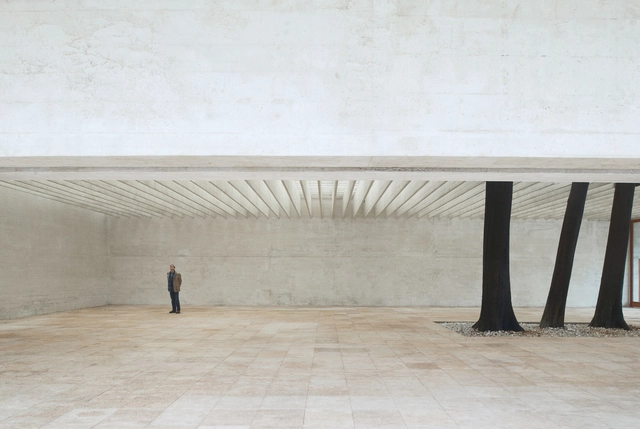
As a result of the ideas competition organized by the governments of Sweden, Finland, and Norway in 1958, Sverre Fehn's Nordic Pavilion won first prize, becoming one of the most significant works of his career and one of the most outstanding Scandinavian architectural achievements during the mid-20th century. Designed to create a space at the Venice Biennale for the biennial exhibitions of these countries, Fehn's proposal addressed several key architectural challenges—ranging from its integration with the site and incorporation of pre-existing elements to the handling of physical boundaries and uniform natural lighting. His design explored the interaction between architecture and trees, the flexibility in the exhibition space, the filtering of light, the connection between interior and exterior, the concept of movement through space, and the display of artworks.

AD Classics: Nordic Pavilion, Venice / Sverre Fehn - PavilionAD Classics: Nordic Pavilion, Venice / Sverre Fehn - PavilionAD Classics: Nordic Pavilion, Venice / Sverre Fehn - PavilionAD Classics: Nordic Pavilion, Venice / Sverre Fehn - PavilionAD Classics: Nordic Pavilion, Venice / Sverre Fehn - More Images+ 25

Winter Stations Unveils Six Winning Installations at Toronto's Woodbine Beach in 2025

The Winter Stations annual design competition celebrates its 11th edition in 2025. The competition challenges international artists and designers to reimagine lifeguard stations as captivating, interactive art installations. Designed to harmonize with the environment at Woodbine Beach in Toronto, Canada, these installations encourage immersive engagement with art in a public space, offering a transformative experience. Following its 10th anniversary in 2024, Winter Stations introduced an additional challenge, inviting participants to consider the future of the stations and their evolving relationship with the public and the environment. The theme for the 2025 edition, Dawn, calls on designers to explore how the stations can adapt, grow, and transform in the coming years.

Winter Stations Unveils Six Winning Installations at Toronto's Woodbine Beach in 2025 - Image 1 of 4Winter Stations Unveils Six Winning Installations at Toronto's Woodbine Beach in 2025 - Image 2 of 4Winter Stations Unveils Six Winning Installations at Toronto's Woodbine Beach in 2025 - Image 3 of 4Winter Stations Unveils Six Winning Installations at Toronto's Woodbine Beach in 2025 - Image 4 of 4Winter Stations Unveils Six Winning Installations at Toronto's Woodbine Beach in 2025 - More Images+ 53

Australia Pavilion Explores Indigenous Knowledge Systems for Venice Biennale 2025

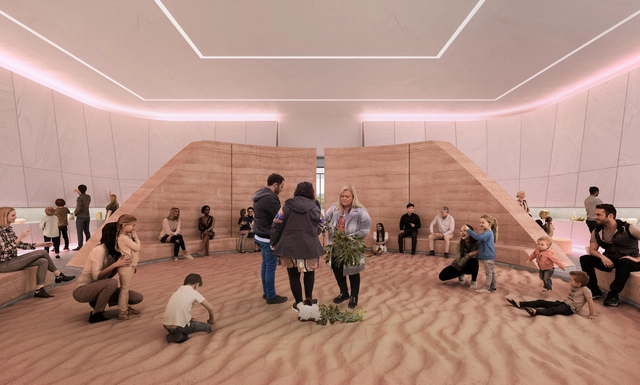
The Australian Institute of Architects has announced the Creative Directors for the Australia Pavilion at the upcoming 19th International Architecture Exhibition - La Biennale di Venezia in 2025. Selected to lead this project, Dr. Michael Mossman, Emily McDaniel, and Jack Gillmer will present "HOME", a pavilion dedicated to Australia's natural environment and Indigenous knowledge systems.

Iceland’s National Pavilion at Venice Architecture Biennale Explores Lava as Sustainable Building Material

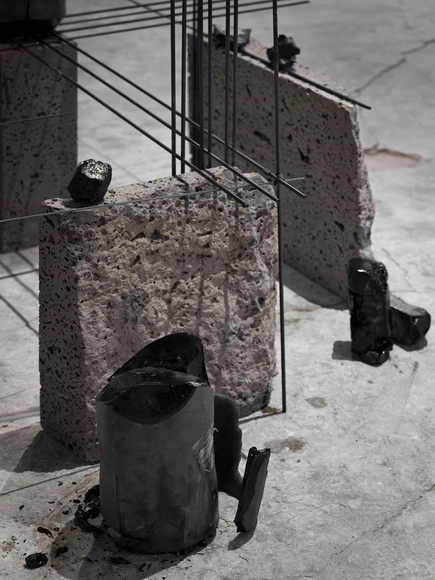
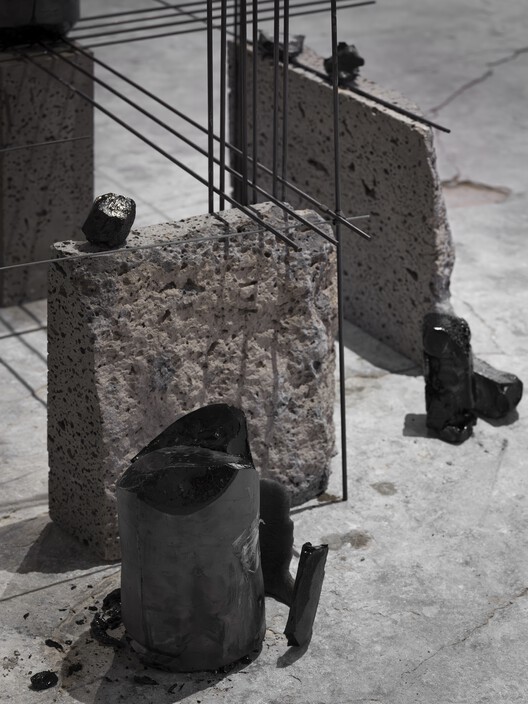
Iceland presents the Lavaforming at its National Pavilion for the 19th International Architecture Exhibition – La Biennale di Venezia. Led by architect Arnhildur Pálmadóttir, founder of s.ap architects, the pavilion is commissioned by Halla Helgadóttir, Iceland Design and Architecture. Lavaforming envisions a provocative and speculative future in which the elemental force of lava is no longer seen solely as a natural hazard but instead embraced as a generative, architectural medium. By harnessing and directing controlled lava flows, the project explores the potential of molten rock to shape urban environments, transforming destruction into construction. Through a series of physical experiments and research-driven installations, Lavaforming demonstrates how this often-feared geological phenomenon could become a renewable and expressive material in the creation of future cities.

Iceland’s National Pavilion at Venice Architecture Biennale Explores Lava as Sustainable Building Material - Image 1 of 4Iceland’s National Pavilion at Venice Architecture Biennale Explores Lava as Sustainable Building Material - Image 2 of 4Iceland’s National Pavilion at Venice Architecture Biennale Explores Lava as Sustainable Building Material - Image 3 of 4Iceland’s National Pavilion at Venice Architecture Biennale Explores Lava as Sustainable Building Material - Image 4 of 4Iceland’s National Pavilion at Venice Architecture Biennale Explores Lava as Sustainable Building Material - More Images+ 8