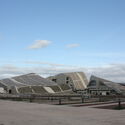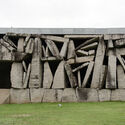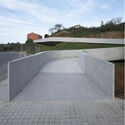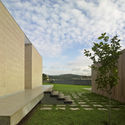
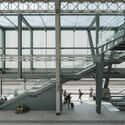
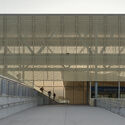
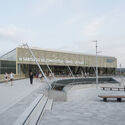
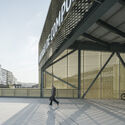
-
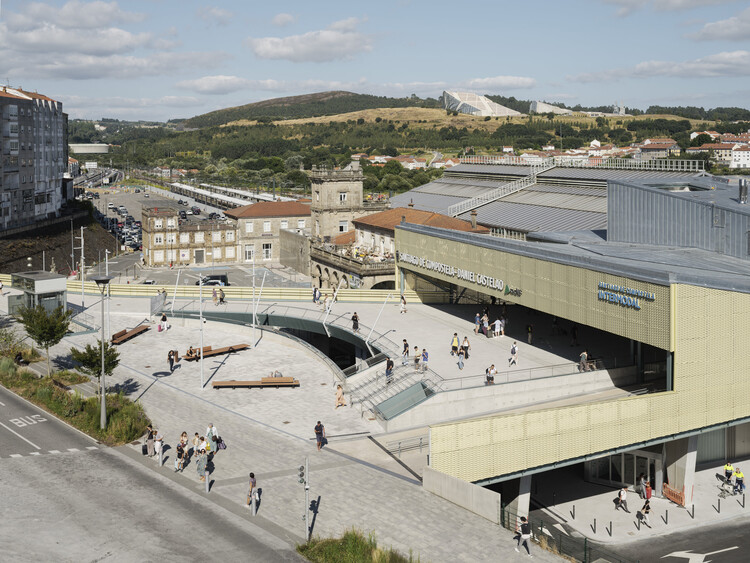
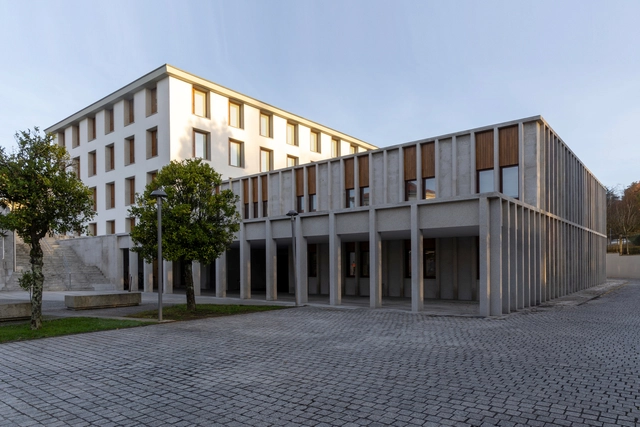
Architects: Estudio Herreros
- Area: 12850 m²
- Year: 2025


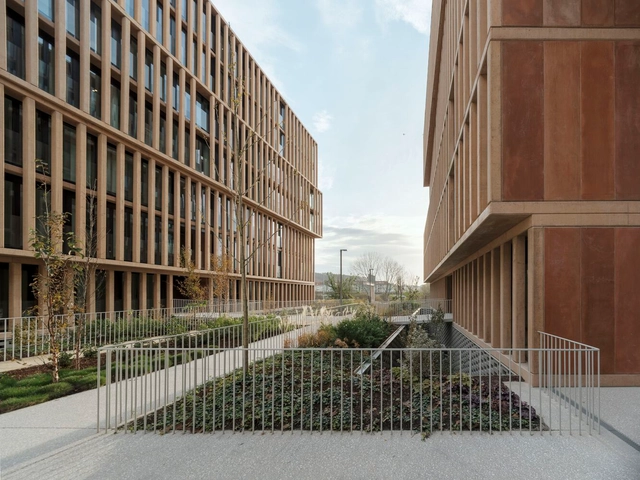
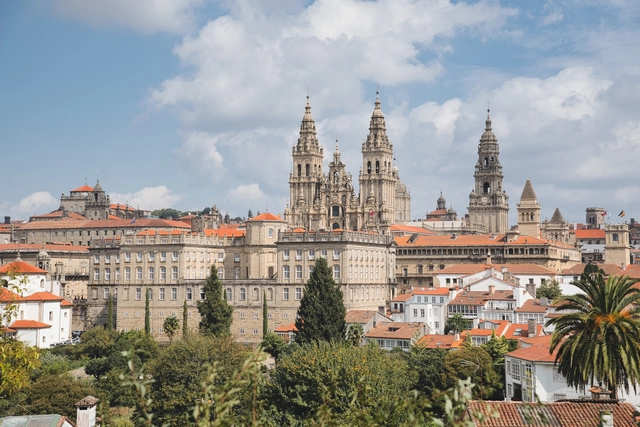
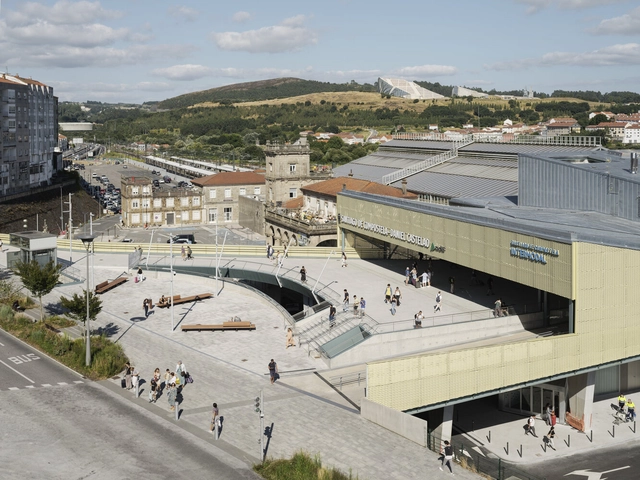
Santiago de Compostela, located in northwestern Spain, is celebrated worldwide as the final destination of the historic Camino de Santiago pilgrimage. The city's architectural identity is deeply rooted in its UNESCO World Heritage-listed historic center, where Romanesque, Gothic, and Baroque styles converge. Iconic landmarks like the Santiago de Compostela Cathedral and its surrounding plazas embody Spain's rich cultural and spiritual legacy, forming the heart of this timeless urban fabric.
In recent decades, Santiago has evolved into a hub for contemporary architectural exploration, blending its historic charm with modern interventions. Projects such as Eisenman Architects' City of Culture reflect an ambitious dialogue between avant-garde design and Galicia's natural landscape. Complementing this are works by Álvaro Siza Vieira, Arata Isozaki, Francisco Mangado, and other renowned architects, who incorporate local materials and forms into forward-thinking designs. Together, these works position Santiago de Compostela as a dynamic architectural destination within Spain's broader cultural narrative.


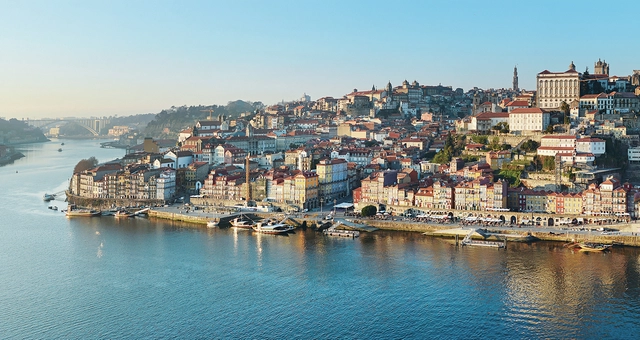
Immerse yourself in the cultural and architectural heritage of Portugal and Northern Spain on a once-in-a-lifetime 17-day journey with Architectural Adventures. From historic Lisbon to vibrant Barcelona, visit and explore 14 cities and 6 UNESCO World Heritage Sites while enjoying world-class accommodations and fine regional dining. Sip Oporto’s famed port wine, see Santiago’s monumental cathedral, tour the Frank Gehry-designed Guggenheim Museum in Bilbao, and see where the bulls run in Pamplona before traversing the breathtaking Pyrenees Mountains en route to Barcelona and the Mediterranean Sea.

The following photo set by Fernando Guerra focuses on the Galician Center of Contemporary Art, a project by Portuguese architect Álvaro Siza Vieira.
Located in the Spanish city of Santiago de Compostela, the Galician Center for Contemporary Art was developed in 1993. Its declared horizontality and respect for the surrounding buildings and the urban structure are configured in the most remarkable gestures of this project. The solid and austere volumes form the boundaries of the area to the streets, with subtractions that make it accessible. The center has several permanent and temporary exhibition rooms, auditorium, library, cafeteria and administrative rooms.
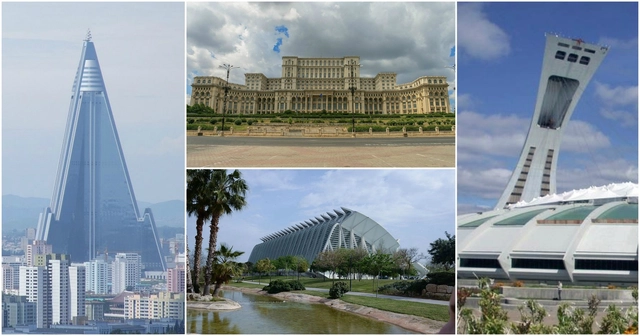
Not every piece of architecture can be an economic and social success. But there is one dreaded term reserved for only the mot wasteful of projects: "white elephants." The term comes from a story of the kings of Siam, now Thailand, who would reportedly gift sacred albino elephants to courtiers they didn't like. Refusing the gift from the king would have been unacceptable, but being sacred, these animals were forbidden from work, leading the courtier to financial ruin—a fact the kings knew all too well.
Of course, in architecture the term "white elephant" is used frequently to disparage certain projects, and whether a project is deserving of such infamy is usually a matter of perspective. Often eyesores or reminders of poorly spent funds, these projects refuse to be forgotten despite few wanting to remember them. Dotted around the world and across history, they all have the same thing in common: although they may (or may not) have once looked good on paper, they probably should have just stayed on paper.