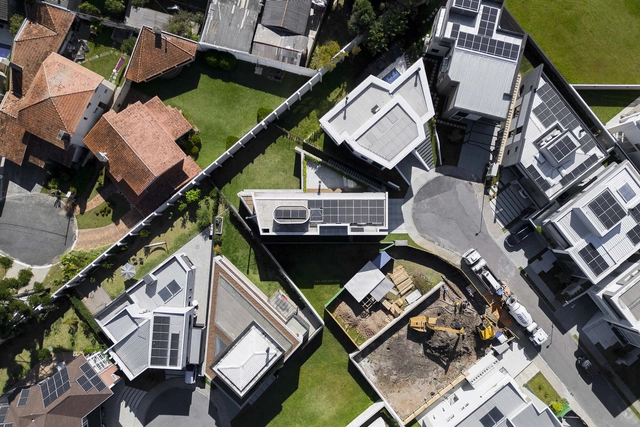
In the face of the environmental crisis and the need to mitigate climate change, adopting clean and renewable energy sources, such as solar energy, in architectural projects is becoming increasingly imperative. As a country with abundant sunlight incidence throughout the year, Brazil has enormous potential to take advantage of this energy source, which has become an increasingly attractive and viable option in the Brazilian scenario. There are numerous benefits solar energy can provide to both residents and the environment that make it a popular choice for residential use.
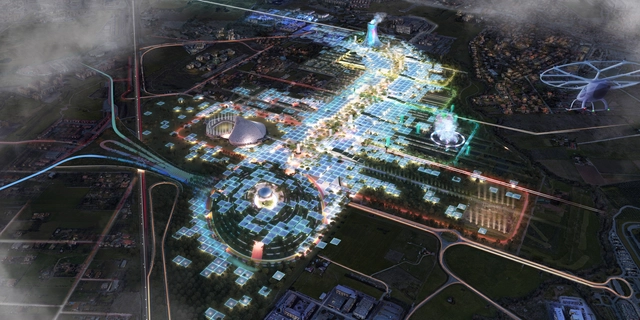
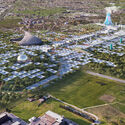
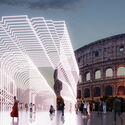
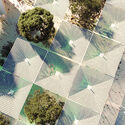
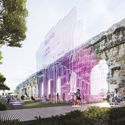
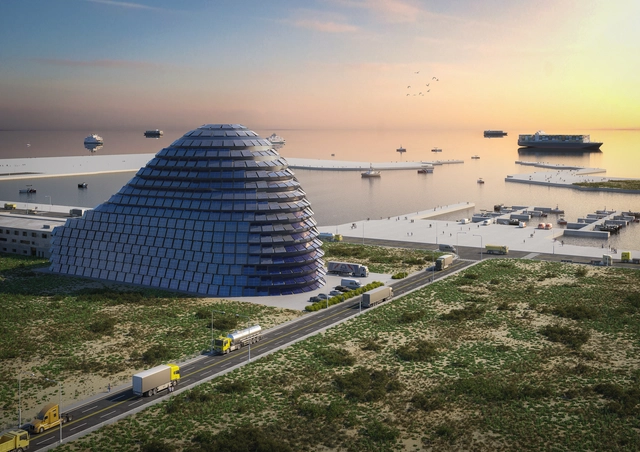
CRA-Carlo Ratti Associati, together with architect Italo Rota and urbanist Richard Burdett, unveiled the master plan for Rome’s bid to host the World Expo in 2030. The project proposes a joint effort from every participating country to contribute to a solar farm that could power the exhibition site and help decarbonize the surrounding neighborhoods. The Expo is proposed to take place in Tor Vergata, a vast area in Rome and home to the eponymous university and a densely inhabited residential district. All the pavilions are designed to be fully reusable, as the area is proposed to be transformed into an innovation district after the event in the hope of revitalizing the somewhat neglected neighborhood. The master plan was developed with several partners, including ARUP for sustainability, infrastructure, and costing, LAND for landscape design, and Systematica for mobility strategy.
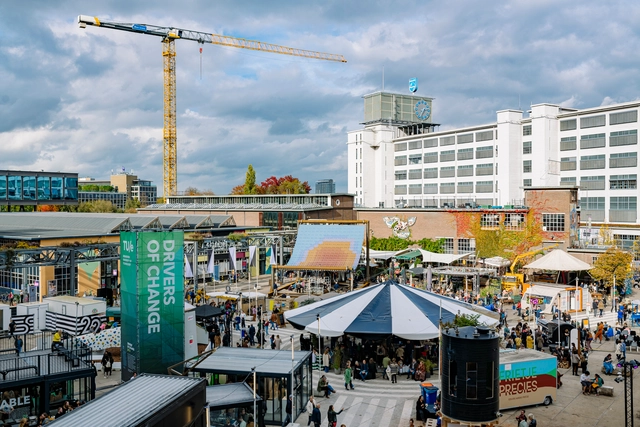
Under the motto "Get Set," the 2022 DDW exhibited more than 50 art and architectural installations to call out designers and communities for a shift from preparation to action facing the challenges of our time. Led by Miriam van der Lubbe, Creative Head of DDW, with Marjan van Aube and Formafantasma as ambassadors, the 21st edition of the Dutch Design Week took place the last week of October in Eindhoven, the Netherlands closing with a Graduation Show of over 200 students of the Design Academy Eindhoven.
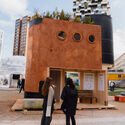
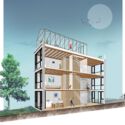
Inspiring designers to incorporate innovation and sustainability and familiarize the public with all the technology has to offer, ArchDaily has selected 9 relevant works focused on bio-materials and modular systems. Highlighting ongoing design research, the list underlines projects that reinvent how we deal with nature and the space we live in.
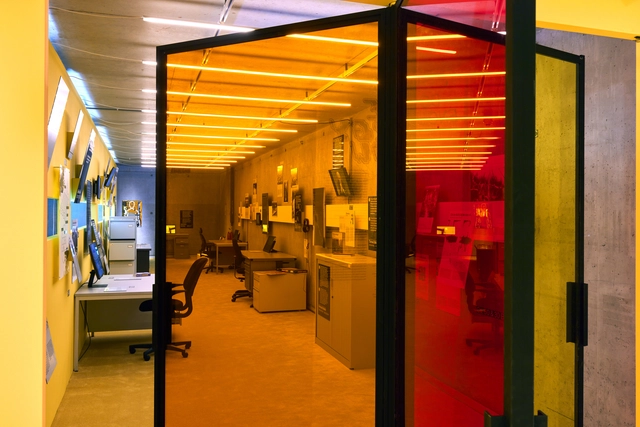
The Het Nieuwe Instituut in Rotterdam, The Netherlands, opens The Energy Show and the Solar Biennale on Friday, September 9, 2022. In collaboration with The Solar Biennale designer and curator Matylda Krzykowski and solar designers Marjan van Aubel and Pauline van Dongen, the exhibition presents a series of projects that explores the sun's meaning and possibilities in society, the environment, and design. With Europe in the midst of an energy crisis, The Energy Show and the Solar Biennale is an opportunity for designers and the general public to examine the transition to solar energy and technology as we move towards a post-carbon future.
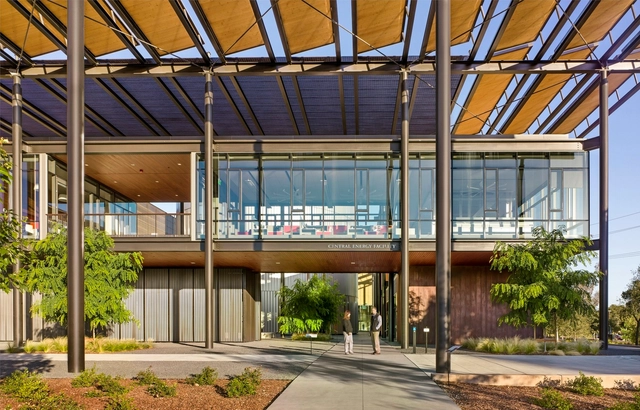
MVRDV ‘s latest project designed for government-owned power company Taipower is “a tool for energy production”, communicating Taiwan’s goal of transitioning to green energy. The morphology of the project and its architectural image are entirely data-driven, the expression of the most efficient way of generating solar energy on the site. An operations facility comprising offices, a maintenance workshop, storage spaces, and a public gallery, the project is defined as a “built manifesto”, projecting the company’s aspirations for achieving a “carbon-free future”.
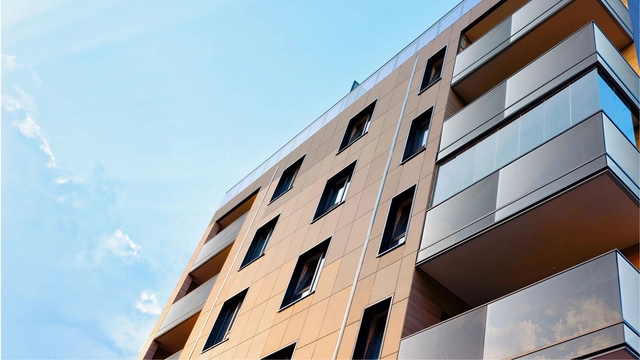
The building construction industry currently accounts for 40% of annual greenhouse gas emissions, due to its high carbon embodiment and carbonated energy demands. Building-integrated photovoltaics (BIPV) is a sustainable solution to address these concerns and to contribute to a net-positive world. This advanced technology can be utilized in solar building envelopes, skylights, windows, and balcony railings to produce green energy.
Climate change remains a foremost concern in global politics, economics, and scientific research, particularly as it pertains to the architecture and construction industries. This heightened culpability for the field of architecture stems from the fact that the construction industry contributes to 40% of global emissions, and the demand in the building sector is only projected to increase by 70% by 2050. Renewable energy is part of a 21st-century sustainability paradigm that responds to climate change and environmental degradation, strengthening the momentum for global energy transformation. Renewable energy production strategies are necessary to mitigate future energy security issues as traditional sources of fuel become increasingly scarce, and an indispensable part of designing for sustainability in architecture.
https://www.archdaily.com/961422/integrating-solar-technology-into-facades-skylights-roofing-and-other-building-elementsLilly Cao
Solar design in contemporary architecture is rooted in the profession's sustainable turn. The relationship between architecture and energy is tied to both passive strategies and performance via more recent innovations in technology. As one way to begin addressing the global climate crisis and greenhouse gas emissions, solar design is reshaping cities and architecture around the world.
As concern grows regarding the contribution of fossil fuels to global warming, solar energy is an increasingly attractive power source due to its zero emissions and infinite supply. As builders turn to incorporate solar energy systems into their projects, many options are available to harness the power of the sun for commercial and industrial installations. While AEC Daily’s course on “The Good, the Bad, & the Ugly” of rooftop solar photovoltaic systems might not be a 1960s spaghetti western, it will guide you through the wild west of installation processes and options.
Once restricted to space stations and satellites, photovoltaics are now gaining popularity and becoming an increasingly viable option. Every day, the sun releases an enormous amount of energy, far more than the entire population consumes. Being that the sun is a sustainable, renewable, and inexhaustible source for generating electricity, not using it seems almost counter-intuitive, especially considering the social and environmental impacts of other forms of energy generation. But the technology to create electricity from the sun is by no means simple and still has some limitations, the most significant being price. The following article attempts to explain some basic concepts about this process, and to highlight important considerations for designing a solar energy system.
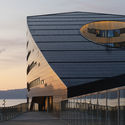
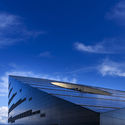
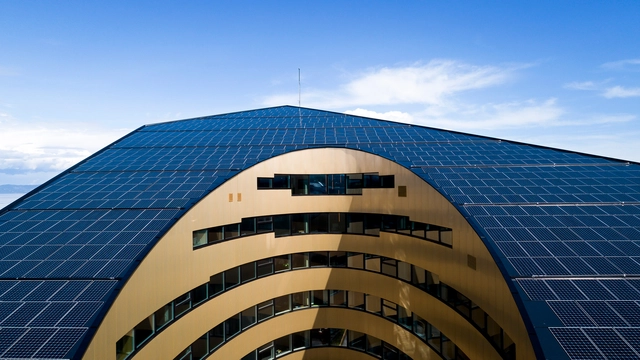
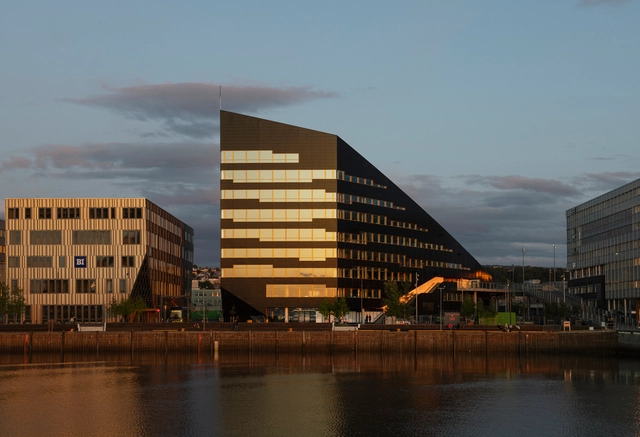
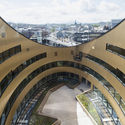
Located in Trondheim, Norway, Powerhouse Brattørkaia, the world’s northernmost energy-positive building, designed by Snøhetta challenges the traditional notions of construction and puts in place new standards for buildings that produce more energy than they consume.
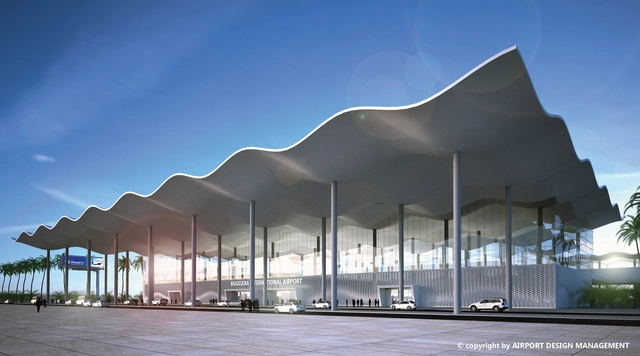
Rwanda’s largest publicly funded project, Bugesera International Airport is on track to be the first certified green building in the region. A few pieces of this net zero emission complex include: a 30,000 square metre passenger terminal, 22 check-in counters, ten gates, and six passenger boarding bridges. Funded by Public Private Partnership, the project is cost estimated at $414 million USD. The international hub was only one of several initiatives discussed by the AfricaGreen Growth Forum (AGGF) in Kigali at the end of last year.
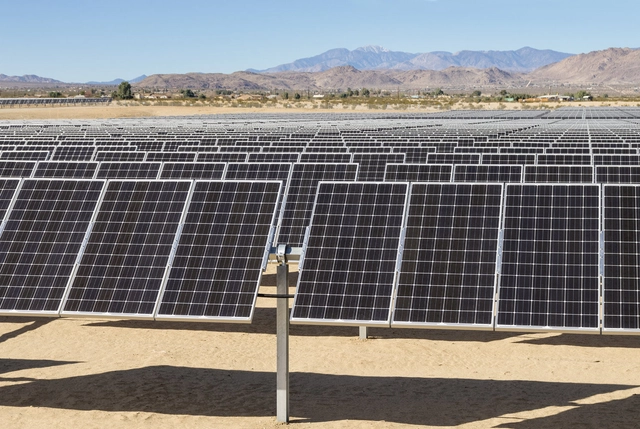
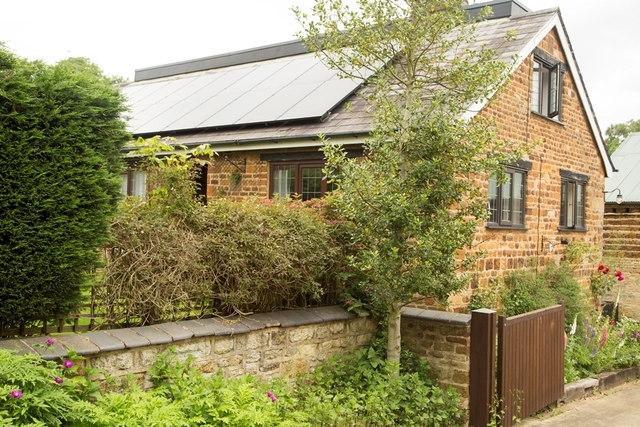
The California Building Standards Commission has approved a new rule starting in 2020 that requires all new homes built in the state to include solar panels. As the first of its kind in the United States, the new rule includes an incentive for homeowners to add a high-capacity battery to their electrical system. The move hopes to help meet the state's goal of sharply reducing greenhouse gas emissions while drawing all electricity from renewable energy sources.
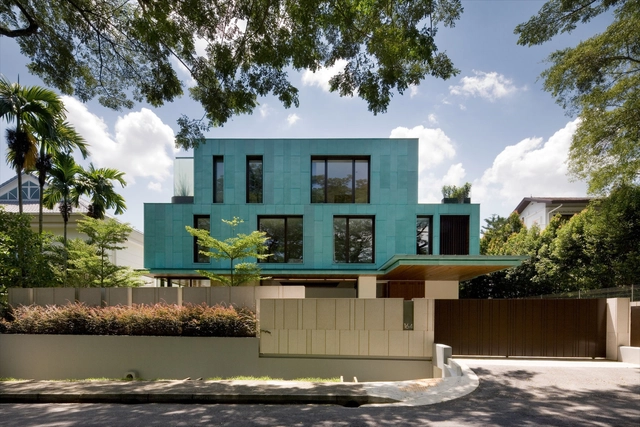
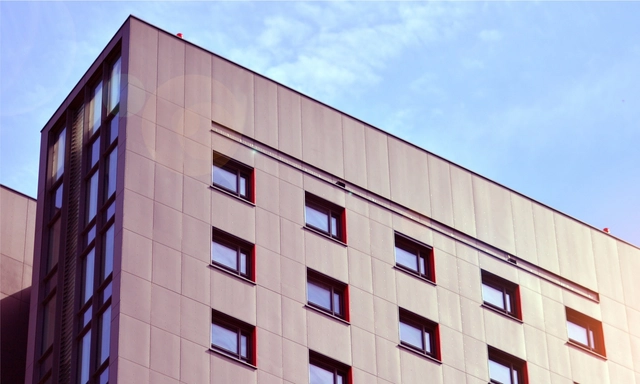
Patinated copper, also called oxidized, is a metal coat that "ages well" with excellent weathering resistance. Due to its capacity for transformation over time, when coming into contact with atmospheric conditions, the material does not require major maintenance, giving a unique aspect to the facades.
In addition to orange-colored plates, this material also gives off a blue / green appearance through a controlled chemical oxidation process. Its coloration is defined by the amount of crystals contained in the surface of the material. With the appearance of natural light, the panels display various shades and nuances of color.
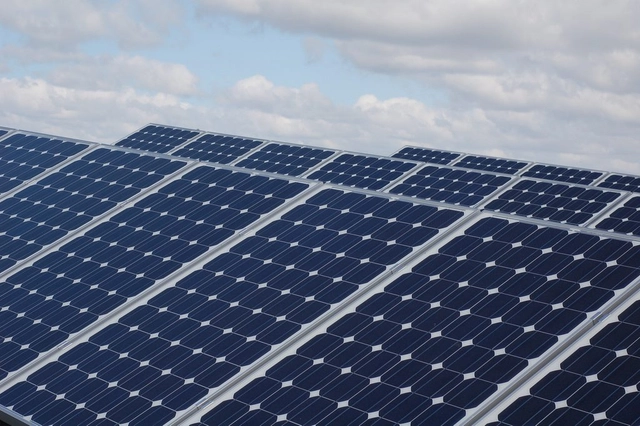
UBC researchers have found a cheap, sustainable way to build a solar cell using bacteria that convert light to energy. Image Courtesy of Flickr/LillyAndersen via University of British Columbia
Hailed as a “cheap, sustainable” method of renewable energy extraction, the cell can generate a current stronger than any previously recorded from similar devices. Development of the cell opens new possibilities for typically-overcast regions such as British Columbia and Northern Europe, where the world's first solar panel road debuted in France.
https://www.archdaily.com/898379/the-university-of-british-columbias-bacteria-driven-solar-cell-can-produce-energy-under-cloudy-skiesNiall Patrick Walsh
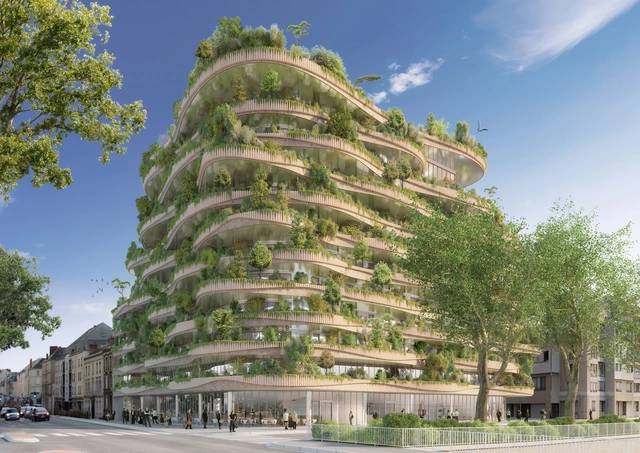
For the "Imagine Angers"international design competition, Vincent Callebaut Architectures worked in collaboration with Bouygues Immobilier group to submit a proposal for the French city at the intersection of social and technological innovation, with a focus on ecology and hospitality. Named Arboricole, meaning “tree” and “cultivation,” this live-work-play environment gives back as much to the environment as it does its users. Although WY-TO prevailed in the competition, the Callebaut scheme succeeded in winning the public vote.
A new challenger has stepped into the ring of home solar batteries, and it’s a name you may recognize: global furniture retailer IKEA.
A competitor to Tesla’s now-available Powerwall home battery and solar roof system, IKEA’s home battery will be first sold in the UK, where owners of solar-powered homes can typically only sell excess energy produced back to the national grid at a loss. The battery pack will instead allow that power to be stored for later use, helping homeowners reduce their electricity bills by as much as 70 percent.
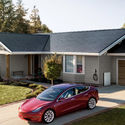
Tesla CEO Elon Musk has announced via Twitter that his company’s fully-integrated solar roof system is nearly ready to be released to the public, and will begin taking orders on the shingles starting next month.
The solar roof project was announced this past October after acquiring energy services provider SolarCity for $2.1 billion. Offered in four different styles – smooth glass, textured glass, French slate and Tuscan glass – the shingles would allow homeowners to make the switch to solar without having to change their aesthetic tastes. Though exact costs have yet to be released, Musk believes the system could be more affordable than a traditional roof.














.jpg?1567677328 "© Synlig.no")