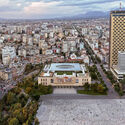
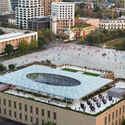
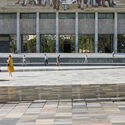
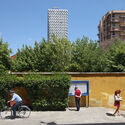
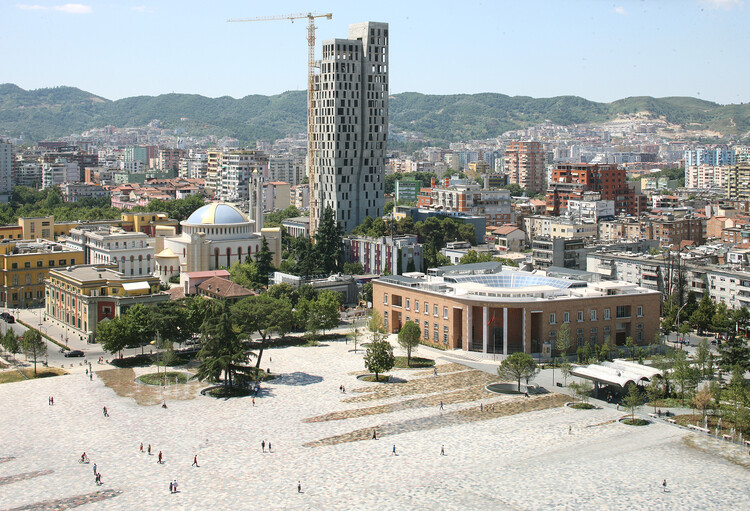
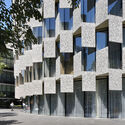
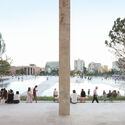
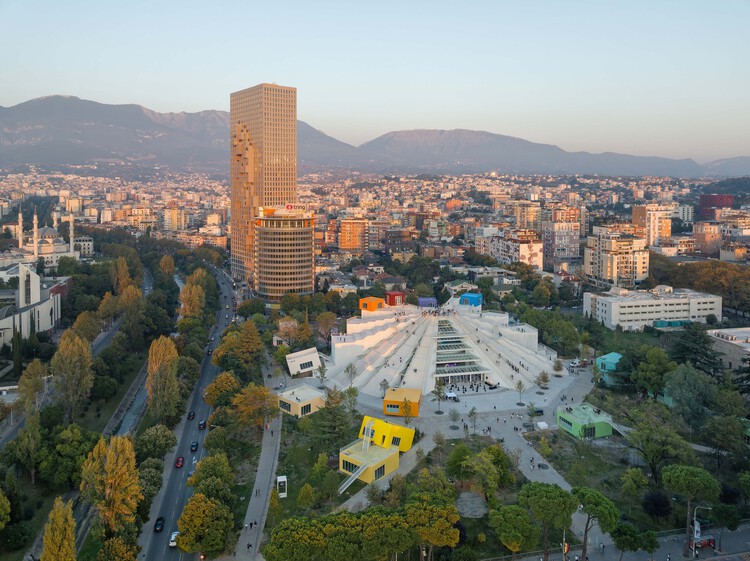
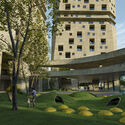
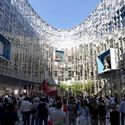
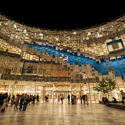
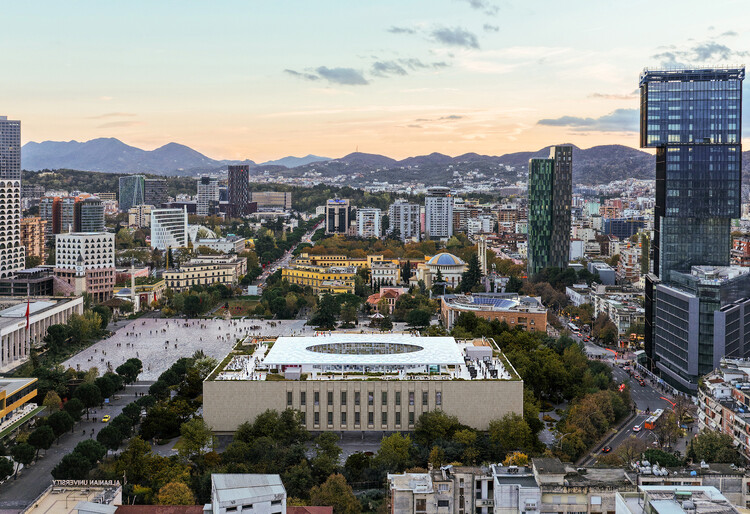
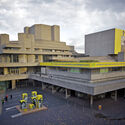
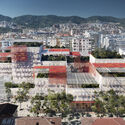
The second edition of The Bread & Heart Festival will be held in Tirana, Albania, from June 3 to 5, 2026. The annual event is organised by The Bread & Heart Foundation and co-curated with the NEWROPE Chair of Architecture and Urban Transformation at ETH Zürich. The Foundation's objective is to offer an open platform for dialogue on architecture, landscape, and development in Albania, a country undergoing rapid transformation and becoming one of the most active urban environments in Southeast Europe. The purpose of the event is to connect international figures from the architectural community, such as Francis Kéré, Jeanne Gang, Ma Yansong, and Sumayya Vally, with local practitioners, institutions, and a broader audience. As in 2025, the festival will take place at 51N4E's Book Building on Skanderbeg Square, bringing together participants under the theme "Landscapes of Abundance."
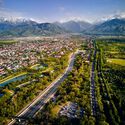
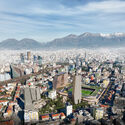
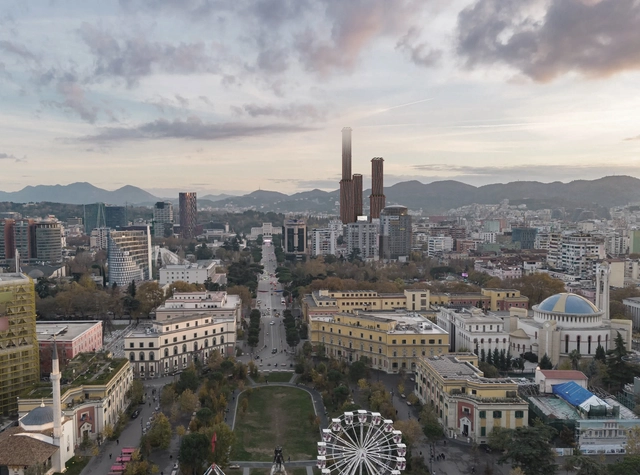
Located at the intersection of Adriatic landscapes and Balkan geopolitics, Tirana has undergone one of the most accelerated urban transformations in Europe over the last three decades. Once defined by rigid socialist planning and political isolation, the city has progressively reoriented itself through a combination of informal growth, international investment, and strategic urban interventions that seek to redefine its public image and spatial structure.
Since the early 2000s, a series of urban policies, most notably those initiated during the mayoral tenure of Edi Rama (now Albania prime minister), have promoted the use of color, public space, and architectural experimentation as tools for civic reactivation. Rather than relying solely on masterplans, Tirana's development has operated through interventions, where individual buildings and public spaces act as catalysts within a fragmented urban fabric.
Cities in Southeastern Europe do not wait to be read. They accumulate, layer upon layer of socialist planning, post-socialist disruption, and the quieter, less legible work of citizens remaking space from the ground up. Here, space and legacy insist on their own terms. What happens to architectural research when the cities that we observe already seem to know something our discipline has not yet learned to see?
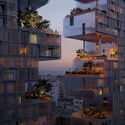
High-rise architecture continues to serve as a primary tool for accommodating density in rapidly evolving urban environments. Traditionally defined by efficiency and repetition, the tower is increasingly being reexamined as a more complex spatial and organizational system. Across different geographies, architects are testing how vertical structures can move beyond singular functions to incorporate layered programs, environmental strategies, and new forms of occupation.
The following selection brings together unbuilt projectssubmitted by the ArchDaily community, highlighting a range of approaches to the contemporary tower. From mixed-use developments and residential high-rises to speculative ecological proposals, these works reflect an ongoing shift in how vertical architecture is conceived. These towers engage with broader questions of privacy, coexistence, adaptability, and urban integration.
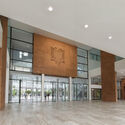
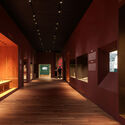
The initial phase of the complete renovation project for the National Historical Museum in Tirana is approaching completion. The project was commissioned by the Ministry of Economy, Culture, and Innovation of Albania and UNOPS, and financed by the European Commission through the EU for Culture (EU4C) program in Albania. The full restoration of the museum's 21,400 square meters is planned in two phases, led by Rotterdam-based Casanova + Hernandez Architects in collaboration with local partner iRI. The first phase consists of restoring the existing building in Skanderbeg Square and is expected to be completed this year, enabling the immediate start of the second phase, focused on implementing the new design for all interior spaces, the courtyard, and the roof.
In recent years, Albania has undergone a rapid and visible transformation, emerging as one of the most active urban environments in Southeast Europe. This growth is not only reflected in the expansion of its built fabric but also in the scale and ambition of new architectural interventions that seek to redefine the country's image. Across its territory, a series of large developments, cultural institutions, and infrastructural projects are being introduced as part of a broader effort to reposition Albania and its capital, Tirana, within regional and international networks.
A significant number of these interventions are being designed by internationally recognized architectural offices, whose presence has become a defining characteristic of the city's current phase of development. Rather than relying primarily on incremental or locally embedded processes, Tirana's transformation is increasingly shaped through externally authored visions that introduce new formal languages, typologies, and urban strategies. These projects often operate as singular objects or large-scale fragments, contributing to a landscape where the city is assembled through distinct and highly visible gestures.
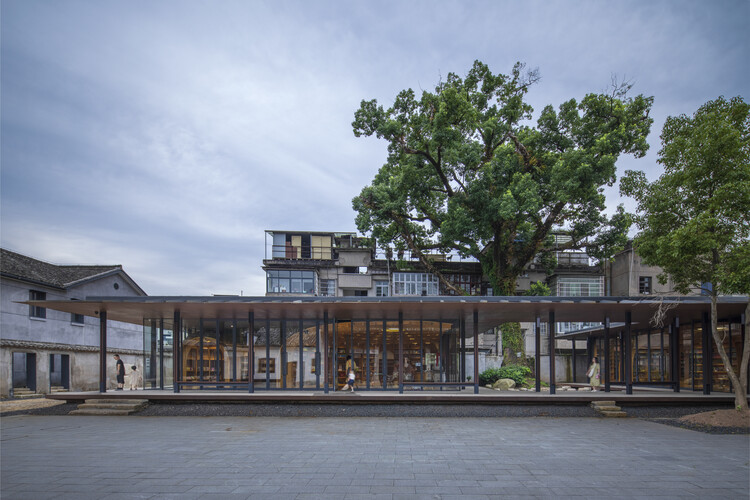
Songyang Culture Neighborhood by Liu Jiakun, the 2025 Pritzker Architecture Prize laureate. Image Courtesy of Arch-Exist
This week's news brings together developments in professional recognition, cultural programming, and large-scale urban strategy, reflecting the multiple scales at which architecture shapes contemporary discourse. As the field anticipates the next Pritzker Architecture Prize announcement, conversations around authorship, civic responsibility, and long-term impact unfold alongside the American Institute of Architects' 2026 Honorary Fellowship appointments, situating individual achievement within broader institutional frameworks. At the same time, updates from Riyadh to London foreground the role of architecture in both enabling new cultural platforms and safeguarding post-war heritage. Complementing these narratives, the reassignment of the 2029 Asian Winter Games and progress on expansive public landscapes highlight how cities are aligning infrastructure delivery, environmental resilience, and territorial planning with long-term economic and social agendas.
Rojkind Arquitectos, in collaboration with artist Pedro Reyes, SON Architects, Motus Holdings, and ASAB, has been selected as the winner of the mixed-use component in the International Concept Design and Build Competition for the redevelopment of the Zyber Hallulli site in Tirana, Albania. Organized by the Albanian Investment Corporation in partnership with the National Agency for Territorial Planning, the competition was launched in September 2025, with the jury announcing its decision on January 29, 2026. The proposal led by the Mexico-based office was awarded the mixed-use development, while a separate Mexican practice, Taller Héctor Barroso, was selected to design CASA FAMILIA, a new children's campus to be built on a greener, more child-oriented site.
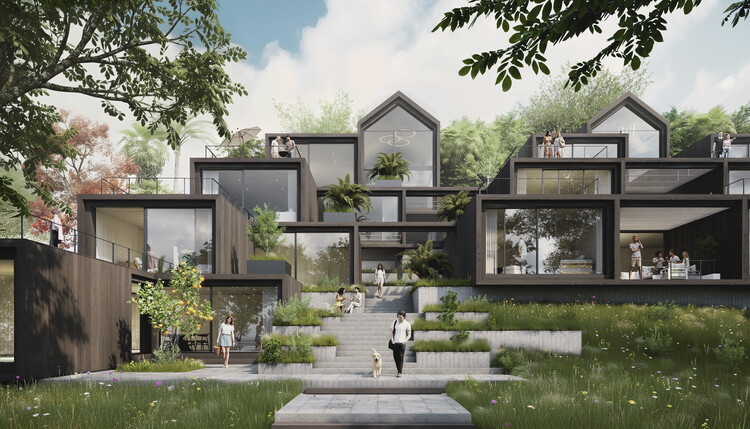
Collective housing remains one of the most active areas for unbuilt architectural exploration, revealing how architects are rethinking domestic life, density, and shared living across different cultural and environmental contexts. In this curated Unbuilt edition, submitted by the ArchDaily community, the selected proposals investigate new forms of dwelling that span mobile units, vertical developments, adaptive reuse, and landscape-driven residential clusters. Rather than treating housing as a purely functional container, these projects position it as a social and spatial framework that shapes everyday life, community ties, and long-term urban resilience.
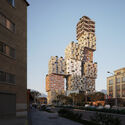
Across varied geographies, from Tirana and Athens to Monterrey, Chaloos, Roatán, Bhola, and the DRC, these proposals explore multiple approaches to collective living: transforming industrial shells into residential structures, extending existing masterplans through landscape integration, reimagining verticality in dense urban centers, and developing modular prototypes that can adapt to changing climates or patterns of mobility. Some projects prioritize ecological strategies and local materials, while others test new models for accessibility, community well-being, or incremental urban growth. Together, they reflect a broad spectrum of architectural responses to contemporary housing pressures.
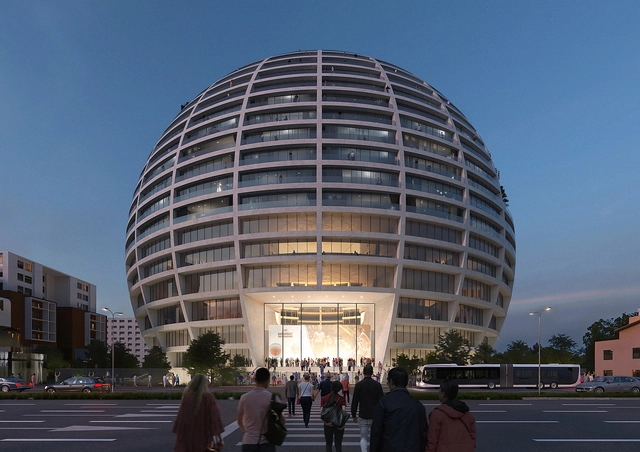
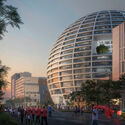
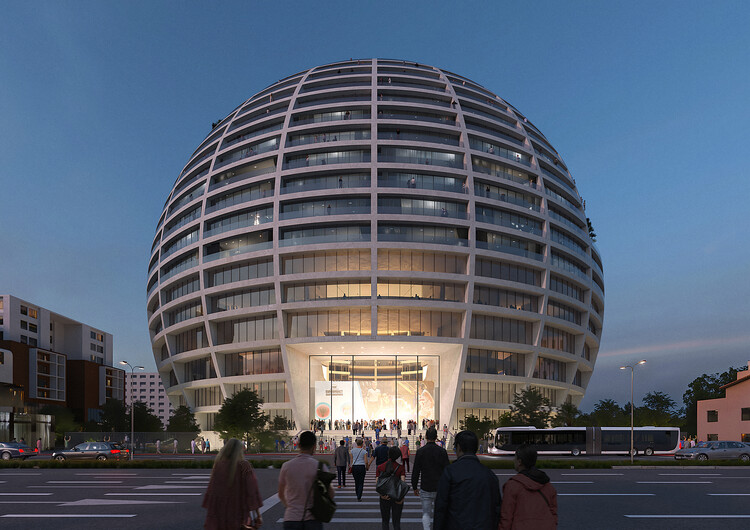
"The Grand Ballroom" Asllan Rusi sports palace project in Tirana, Albania by MVRDV. Image Courtesy of MVRDV
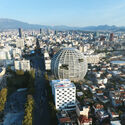
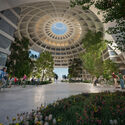
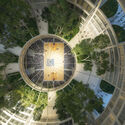
Tirana, the capital of Albania, is experiencing a rapid transformation driven by the long-term urban strategy outlined in the Tirana 2030 (TR030) Master Plan. Developed in 2017 by Stefano Boeri Architetti, UNLAB, and IND [Inter.National.Design] through a competition organized by the Ministry of Urban Development, the plan's objectives include increasing urban density, improving public infrastructure, and integrating green spaces and open areas into the urban fabric. It is in this dynamic setting that MVRDV has won the international competition for Tirana's new Asllan Rusi Sports Palace. Conceived as a mixed-use development, the project, named The Grand Ballroom, combines a 6,000-seat arena for basketball and volleyball with residential apartments, a hotel, and ground-level retail. With its spherical form exceeding 100 metres in diameter, the design adds a distinctive landmark to Tirana's growing collection of ambitious architectural projects.
This week's architectural developments highlighted how design operates as a form of social and culturalinfrastructure, linking care, community, and context across scales. From London's reinterpretation of the almshouse model to the transformation of urban gateways in Phnom Penh and Tirana, architecture reflected a shared interest in spaces that foster connection and adaptability. Parallel to these urban and infrastructural works, new cultural projects in Paris and Hanoi explored how museums and performance spaces can renew public institutions through material experimentation and spatial flexibility.
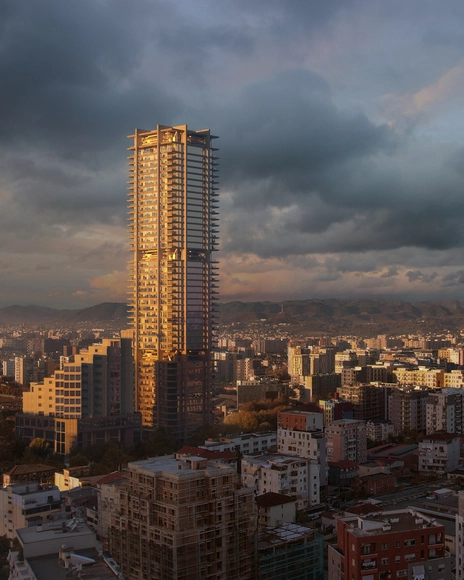
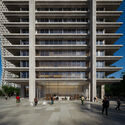
Oricon Tower project by Eduardo Souto de Moura and OODA. Exterior render. Image Courtesy of Plomp
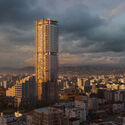
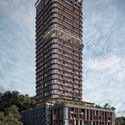
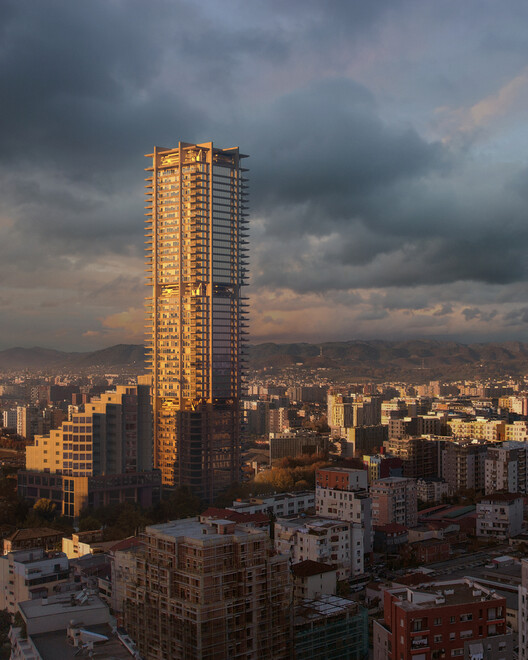
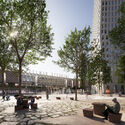
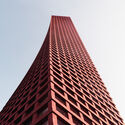
Eduardo Souto de Moura and OODA have unveiled the design of the Oricon Tower, a 180-meter mixed-use skyscraper planned for Tirana, Albania. Located near OODA's recently completed Bond Tower, the project is part of the city's ongoing transformation under the Tirana 2030 Masterplan, which envisions a denser and more connected urban core. The tower will house offices, residences, retail areas, and a hotel, contributing to the city's evolving skyline and serving as a new urban gateway between Tirana's historic center and its expanding western districts.
Collective living continues to be a central theme in contemporary housing discourse, one that extends beyond questions of density or typology to engage broader concerns of land use, social cohesion, and spatial identity. This selection of conceptual unbuilt projects, submitted by the ArchDaily community, explores the potentials of shared living environments, not only as functional housing solutions but as frameworks for interaction, environmental integration, and cultural continuity. Whether in urban or remote settings, they reflect a growing interest in rethinking how domestic space can support both individual privacy and communal life.
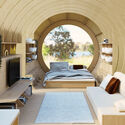
Symbiosis, a Prototype for Living and Working. Image Courtesy of contexo
The future of urban life is increasingly being imagined as collective, layered, and adaptable. As cities grow denser and the boundaries between work, home, and leisure blur, architects are rethinking the traditional notion of residential living, shifting from isolated units to integrated, community-driven environments. This collection of unbuilt projects, submitted by the ArchDaily community, reflects this shift: a global exploration into how design can shape more resilient, inclusive, and connected ways of living.
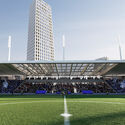
OMA/David Gianotten, has won the competition to revitalize the historic Selman Stërmasi Stadium and its surrounding area in central Tirana, Albania. Originally built in 1956, the stadium is now being redesigned to not only expand the existing football grounds but also to foster stronger links between surrounding neighborhoods in Tirana. With the revitalization, the stadium aims to be a key connector between the Blloku and Komune a Parisit neighborhoods.
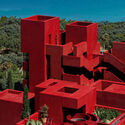
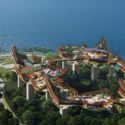
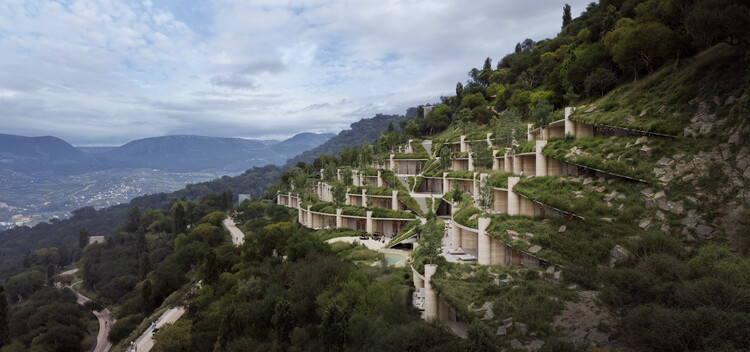
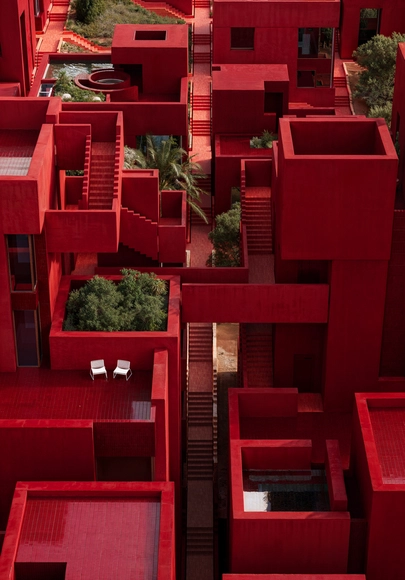
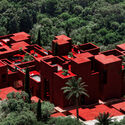
Red Sol Resort in Dhërmi. Image Courtesy of Ricardo Bofill Taller de Arquitectura
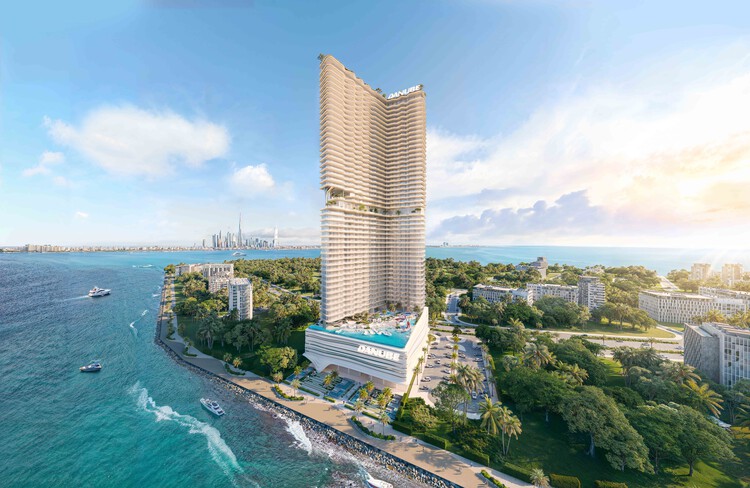
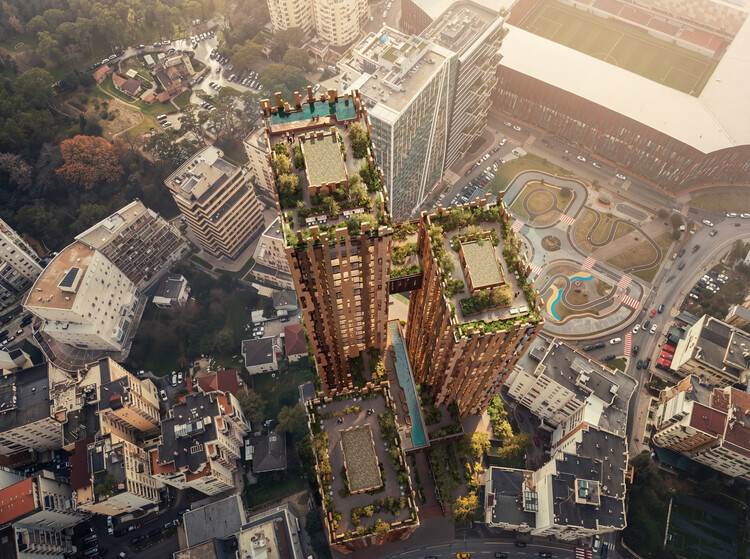
Architecture has been at the center of a transformation process in Albania, particularly significant in Tirana, its capital city. In 2017, the winning project for the Tirana 2030 Masterplan was unveiled, designed by Stefano Boeri Architetti, UNLAB, and IND [Inter.National.Design] as part of a competition organized by the Ministry of Urban Development. Aiming to give Tirana a new metropolitan dimension while promoting and preserving green spaces, the strategy integrates a system of open spaces, natural elements, and strategic projects at key points in the city. The multidisciplinary Catalan firm Bofill Taller de Arquitectura has contributed to this transformation with two mixed-use towers in Tirana and a resort project in the coastal town of Dhërmi, reflecting the distinctive aesthetic of Ricardo Bofill's work.
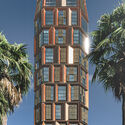
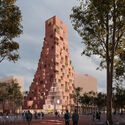
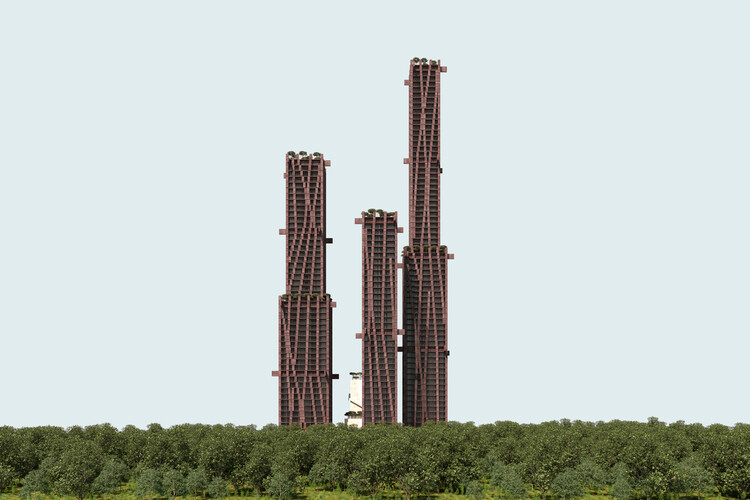
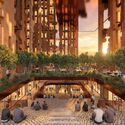
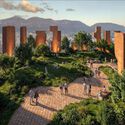
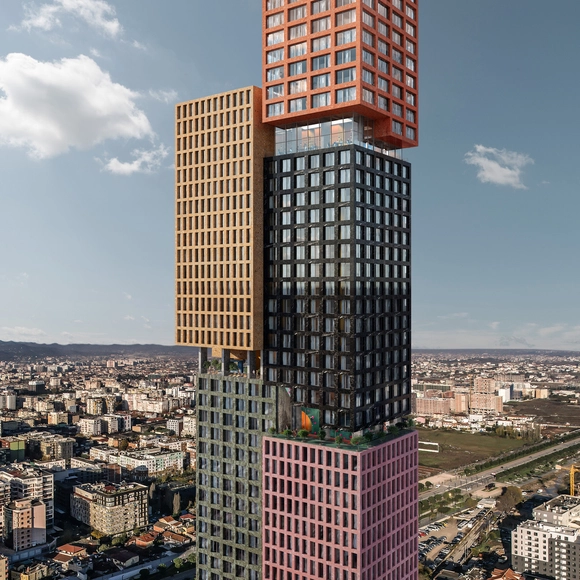
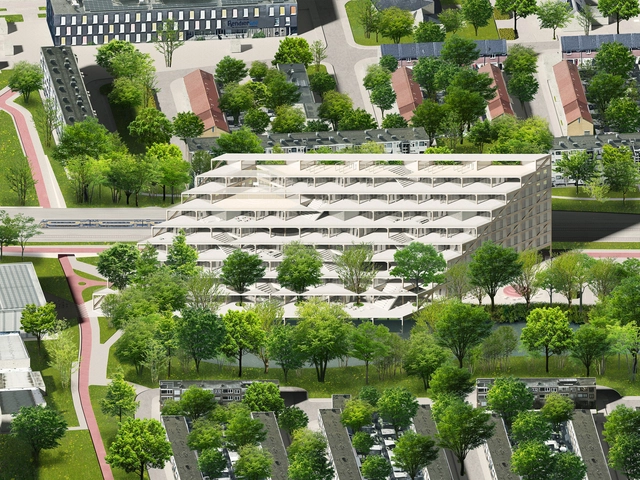
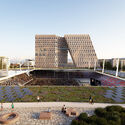
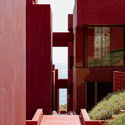
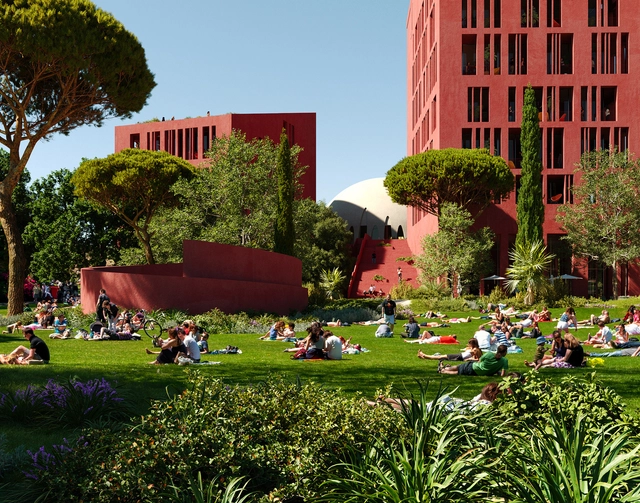
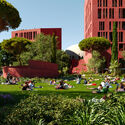
Swiss architect Valerio Olgiati has unveiled plans for Rruga Adem Jashari, a mixed-use development in Tirana, Albania, that seeks to blend urban living with the surrounding natural landscape. Positioned at the boundary between the city grid and an adjacent park, the project features three distinctive red concrete towers and a central white ziggurat. Combining residential, hospitality, and retail spaces, the development aims to create a seamless connection between the built environment and nature.
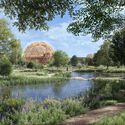
College of Europe's Tirana Campus . Image Courtesy of MIR, Designed by Oppenheim Architects
Tirana, the capital of Albania, is undergoing a remarkable transformation fueled by an ambitious vision for the future outlined in the Tirana 2030 (TR030) Master Plan. This plan, devised by renowned Italian architect Stefano Boeri, aims to reshape the city into a sustainable, green, and inclusive urban hub, with a focus on increasing density while enhancing the quality of life for its residents. Central to this vision are projects such as the creation of an "orbital forest" with two million trees, the revitalization of rivers with green corridors, and the redesign of public spaces like Skanderbeg Square, which has become the largest pedestrian area in the Balkans. According to The Guardian, these initiatives aim to reverse the sprawling urban chaos that followed the fall of communism and accommodate a population that has quadrupled since 1992, while prioritizing quality of life and accessibility.
At the heart of Tirana's transformation is a renewed focus on architecture as a tool for connection, combining cultural identity with contemporary design to create spaces that invite public interaction and engagement. Recent projects announced by renowned architects and international firms including Coldefy, OODA, Oppenheim Architecture, and CHYBIK + KRISTOF showcase a common thread of reimagining the rejuvinated city for the public. These designs emphasize social sustainability, cultural references, and accessible public spaces, redefining how residents and visitors experience Tirana's urban fabric. From mixed-use vertical villages and pedestrian-friendly streets to eco-conscious campuses and civic hubs, these new developments collectively highlight the city's ambition to position itself as a progressive model for urban renewal in the Balkans.