1. ArchDaily
  2. Urban Exploration

Urban Exploration: The Latest Architecture and News

Curatorial Work as City-Making: Design Trust’s Marisa Yiu on Exhibitions and Spatial Agency

Subscriber Access | 

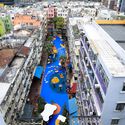
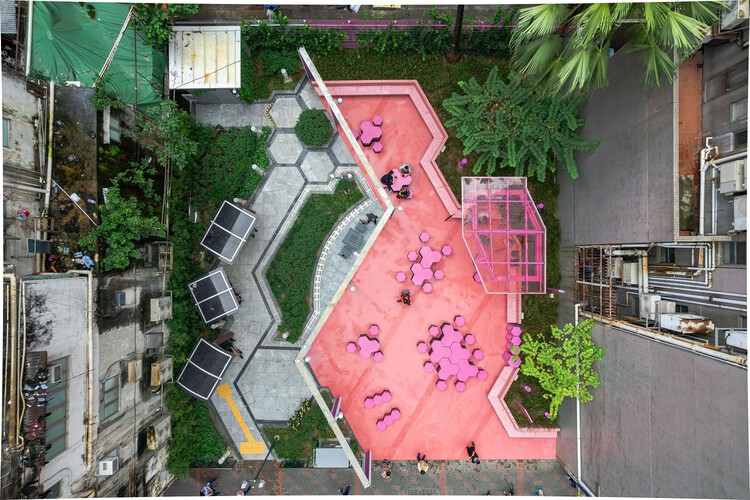
In Hong Kong, where architecture is often driven by real estate logic, infrastructure, and accelerated development, the space for bodily-scaled civic experimentation can be surprisingly narrow. This is where Design Trust has become distinctive. As a grant-making and project-enabling platform, it supports spatial interventions that sit between architecture, research, and public programming—work that is often too modest, collective, or uncertain to fit conventional client–architect pipelines.

At the center of this work is Marisa Yiu, whose leadership positions Design Trust as both an enabler and a cultural actor. Through initiatives such as Micro-Parks Hong Kong, alongside exhibitions and public programs, the organization treats discourse and prototyping as forms of spatial agency, linking designers, communities, institutions, and policy conversations while foregrounding questions of stewardship, maintenance, and the "afterlife" of public space.
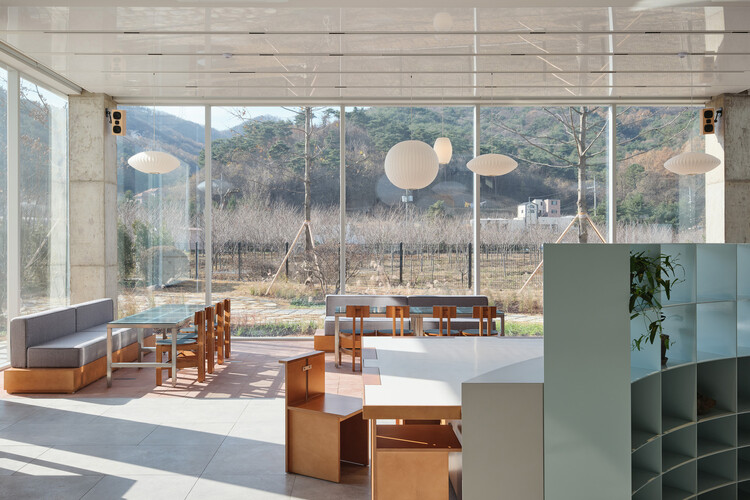
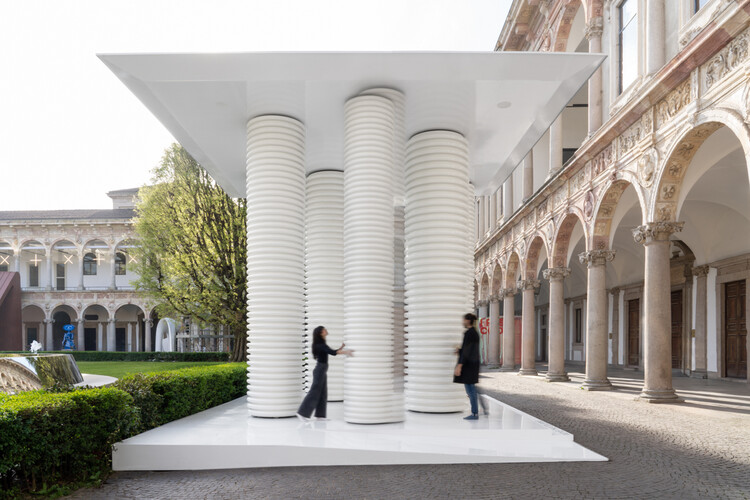
Curatorial Work as City-Making: Design Trust’s Marisa Yiu on Exhibitions and Spatial Agency - Image 1 of 4Curatorial Work as City-Making: Design Trust’s Marisa Yiu on Exhibitions and Spatial Agency - Image 2 of 4Curatorial Work as City-Making: Design Trust’s Marisa Yiu on Exhibitions and Spatial Agency - Image 3 of 4Curatorial Work as City-Making: Design Trust’s Marisa Yiu on Exhibitions and Spatial Agency - Image 4 of 4Curatorial Work as City-Making: Design Trust’s Marisa Yiu on Exhibitions and Spatial Agency - More Images+ 19

Coffee or Tea: Third Places, Kiosks, and the Retail Architecture of Duration

Subscriber Access | 

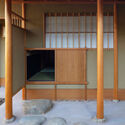
"Coffee or tea?" is one of those phrases that follows you across contexts: asked on airplanes, after a meal, in hotel lounges, and in meeting rooms. It sounds like a small question—mere preference, a quick fork in the service script. Yet it also carries a quiet cultural inheritance. Tea arrives with the long history of ritual and domestic pacing, tied to older geographies of trade and everyday etiquette. Coffee arrives with a different lineage of circulation, later industrialized into the modern café and its public-facing rituals. In both cases, the drink is never only a drink; it is a practiced relationship to time and space.
In contemporary East Asia, however, "coffee or tea" increasingly reads as something else: imperceptibly or subconsciously, it is becoming more of a choice about where you want to be. Each beverage now carries a spatial expectation. Coffee implies a room you can occupy—often a place to pause, work, meet, or cool down. Tea, despite being culturally pervasive, appears more diffusely across the city—sometimes as a dedicated destination, sometimes as a high-frequency kiosk, and very often as an embedded default within dining typologies. The result is that a question posed as taste has begun to operate as a subtle indicator of spatial preference: whether you are seeking duration or velocity, enclosure or flow, a third place or a quick node on the street.

Coffee or Tea: Third Places, Kiosks, and the Retail Architecture of Duration  - Image 1 of 4Coffee or Tea: Third Places, Kiosks, and the Retail Architecture of Duration  - Image 2 of 4Coffee or Tea: Third Places, Kiosks, and the Retail Architecture of Duration  - Image 3 of 4Coffee or Tea: Third Places, Kiosks, and the Retail Architecture of Duration  - Image 4 of 4Coffee or Tea: Third Places, Kiosks, and the Retail Architecture of Duration  - More Images+ 28

Urban Banquet at the Curb: Hong Kong’s Third-Space Dining

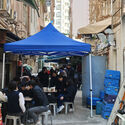
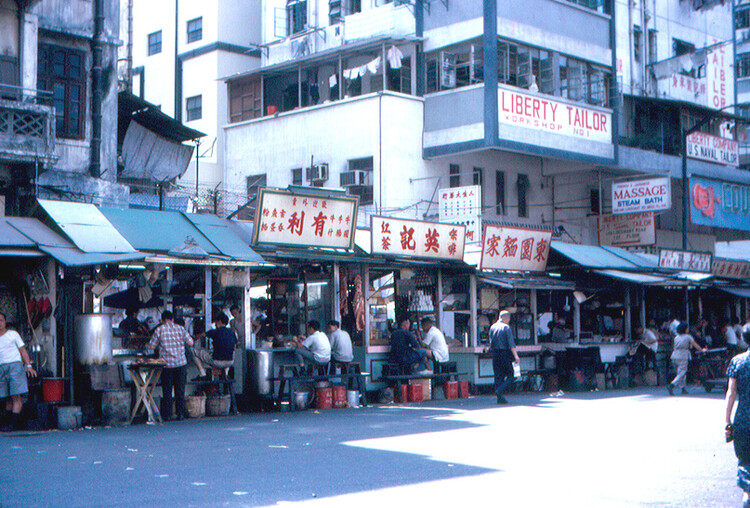
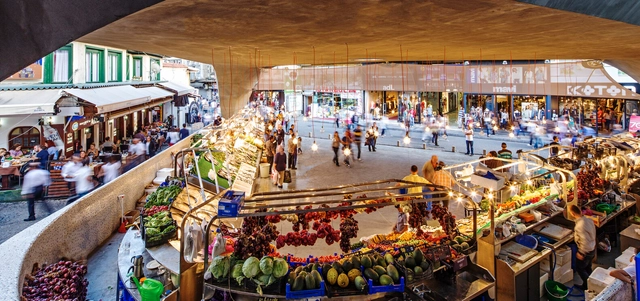
Across cities worldwide, architecture unfolds continuously at the scale of people and community—not only through new buildings, renovations, or monumental works. "Third spaces" are especially revealing. Consider the street-side culinary realm: how seating, serving, and lingering occupy the edge of the street often discloses a city's cultural codes and spatial habits. What forms of dining and inhabitation have emerged in response to local climate, regulation, and social custom—and how have they evolved over time?

In parts of Europe, for instance, al fresco in Italy and en terrasse in France name culturally specific ways of dining in public, drawing the meal into the urban field—attuned to weather, air, and the passive sociability of people-watching. Since COVID-19, New York City has similarly expanded outdoor dining, reflecting a community-driven desire to engage the streetscape while eating—an everyday, street-level "third place" within a dense metropolis.

Urban Banquet at the Curb: Hong Kong’s Third-Space Dining - Image 1 of 4Urban Banquet at the Curb: Hong Kong’s Third-Space Dining - Image 2 of 4Urban Banquet at the Curb: Hong Kong’s Third-Space Dining - Image 3 of 4Urban Banquet at the Curb: Hong Kong’s Third-Space Dining - Image 4 of 4Urban Banquet at the Curb: Hong Kong’s Third-Space Dining - More Images+ 7

Unearthing the Ground: Architecture and the Politics of the Subterranean

Subscriber Access | 

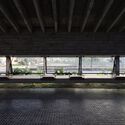
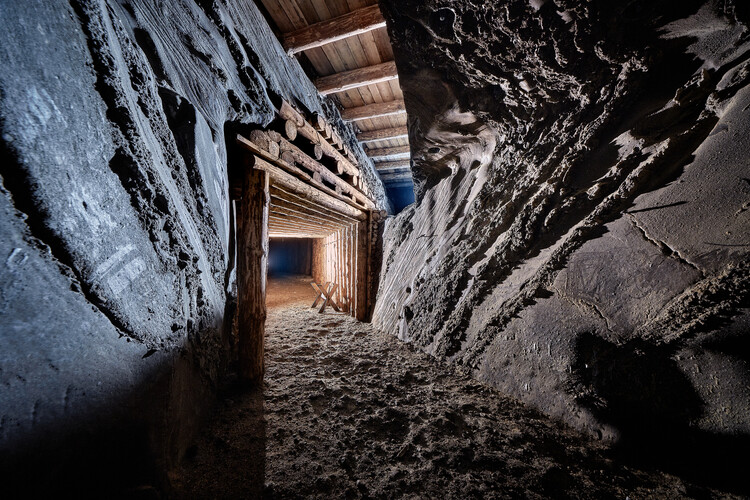
Beneath the visible surface of cities lies an invisible architecture. Subways, tunnels, water systems, data cables, and bunkers form a dense network that sustains urban life while remaining largely unseen. The ground beneath our feet is not a void but a complex territory that holds the infrastructures, memories, and anxieties of our age. In recent years, as land becomes scarce and climate pressures intensify, architects and urbanists have turned their gaze downward, rediscovering the subterranean as both a physical and conceptual frontier. To design underground is to engage with the unseen mechanisms that shape the world above.

The subterranean has long been a site where architecture intersects with politics, technology, and belief. From the catacombs of Rome to the industrial subways of modernity, descent has symbolized both protection and exposure. Twentieth-century urbanism transformed this gesture into a system: metros, shelters, and utilities redefined the city section as an instrument of governance. Beneath the promise of efficiency and progress, the underground absorbed the anxieties of an era of war, surveillance, and collapse. Its evolution reveals not only how societies build, but also how they fear.

Today, the ground has become the new frontier of urban expansion and ecological adaptation. As digital infrastructures, energy systems, and climatic buffers migrate below grade, architecture confronts a space both technical and metaphysical — essential yet marginal, invisible yet decisive. To think in sections rather than in plan is to recognise that contemporary cities no longer exist solely in their skylines but also in their depths. The challenge for architecture is not only to occupy that space, but to render it legible, to turn the unseen into knowledge, and the hidden into a new terrain of design.

Unearthing the Ground: Architecture and the Politics of the Subterranean - Image 1 of 4Unearthing the Ground: Architecture and the Politics of the Subterranean - Image 2 of 4Unearthing the Ground: Architecture and the Politics of the Subterranean - Image 3 of 4Unearthing the Ground: Architecture and the Politics of the Subterranean - Image 4 of 4Unearthing the Ground: Architecture and the Politics of the Subterranean - More Images+ 36

From Ecologies to Everyday Life: Reflecting on Architectural Exhibitions in 2025

This past year marked a period of introspection for architecture. As 2025 unfolded, the discipline, confronted with evolving environmental and social realities, entered a broader turning point in how it understands its role and how users engage with it. Throughout the year, exhibitions shifted focus away from buildings as isolated objects toward a broader understanding of relationships between ecology, equity, everyday life, and collective imaginaries. Across institutions and cities, they operated less as showcases and more as discursive platforms: places where architecture was not only presented, but also imagined, questioned, and collectively redefined.

While exhibitions have long functioned as sites of discourse, politics, and community, this role became more explicit in 2025. As Carlo Ratti noted in an ArchDaily interview during the pre-opening of the Venice Architecture Biennale 2025, exhibitions today can "hybridize the way that people come together," an ambition that echoed across cities and institutions as exhibitions evolved into spaces for debate, experimentation, and collective reflection. Exhibitions are places where architects and designers meet, where conversations unfold openly with the public, and where ideas emerge through spontaneous exchanges among passersby. Exhibitions became spaces where architectural discourse extended beyond professional circles, opening conversations to broader publics through everyday encounters, shared experiences, and informal exchanges.

From Ecologies to Everyday Life: Reflecting on Architectural Exhibitions in 2025 - Image 1 of 4From Ecologies to Everyday Life: Reflecting on Architectural Exhibitions in 2025 - Image 2 of 4From Ecologies to Everyday Life: Reflecting on Architectural Exhibitions in 2025 - Image 3 of 4From Ecologies to Everyday Life: Reflecting on Architectural Exhibitions in 2025 - Image 4 of 4From Ecologies to Everyday Life: Reflecting on Architectural Exhibitions in 2025 - More Images+ 35

International Youth Day: Three Educational Initiatives for Community-Led Urban Change

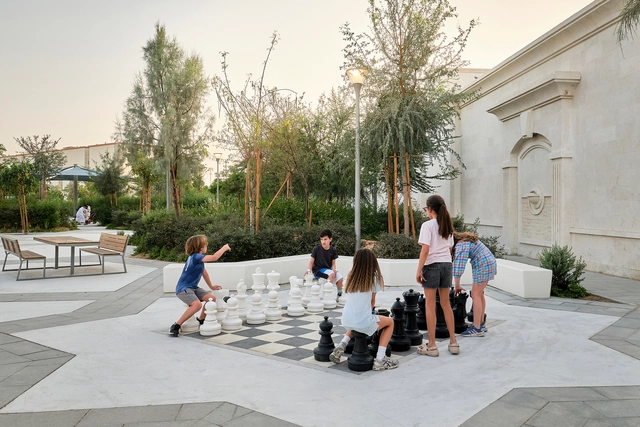
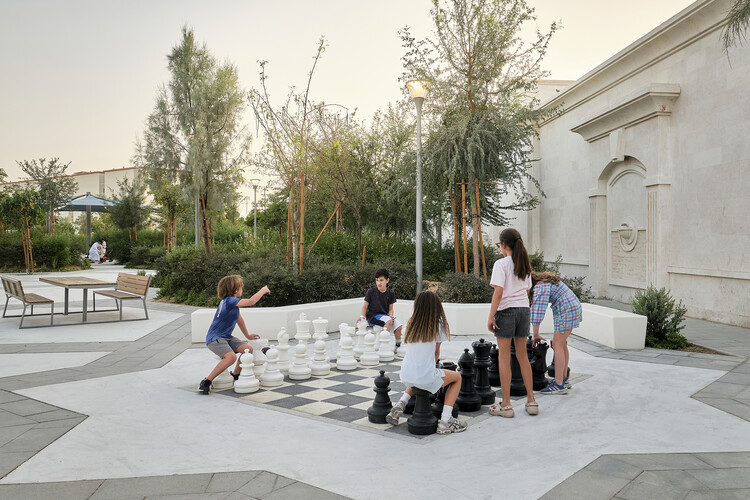
August 12, designated by the United Nations as International Youth Day since 1998, was conceived as an occasion to bring youth issues to the forefront of the international agenda and to celebrate the contributions of young people to today's global society. Each year, the observance focuses on a specific theme. In 2025, it is "Local Youth Actions for the SDGs and Beyond," emphasizing the role of youth in transforming global ambitions into community-driven realities. The aim is to highlight how young people help implement the Sustainable Development Goals (SDGs) within local contexts and bridge the gap between policy and practice. In this spirit, we present three educational programs, in Romania, the United Kingdom, and the United States, that empower youth to deepen their understanding of the built environment and envision a more sustainable, people-friendly urban future.

International Youth Day: Three Educational Initiatives for Community-Led Urban Change - Image 1 of 4International Youth Day: Three Educational Initiatives for Community-Led Urban Change - Image 2 of 4International Youth Day: Three Educational Initiatives for Community-Led Urban Change - Image 3 of 4International Youth Day: Three Educational Initiatives for Community-Led Urban Change - Image 4 of 4International Youth Day: Three Educational Initiatives for Community-Led Urban Change - More Images+ 1

Seville Architecture City Guide: 21 Projects Tracing the Layers of an Andalusian City

Subscriber Access | 

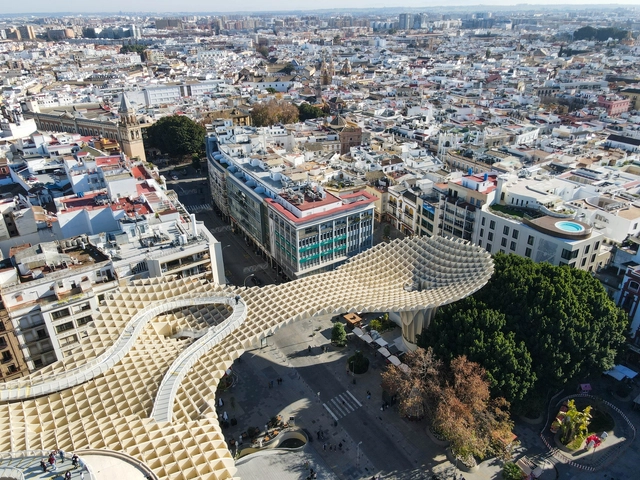
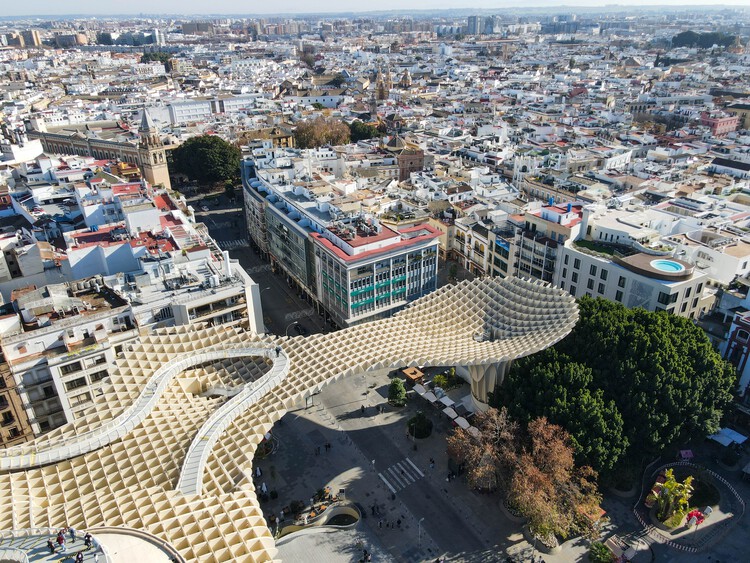
Located in southern Spain, Seville unfolds as a layered city shaped by centuries of cultural intersections. As the former capital of Al-Andalus and a central port during the Spanish Empire's expansion, its built environment reflects a deep historical complexity. From Roman foundations to Islamic geometries, from Renaissance palaces to contemporary interventions, Seville presents a unique spatial narrative in which architecture directly reflects its political, religious, and social transformations.

The city's architectural heritage is inseparable from its climate and geography. Narrow shaded streets, inner courtyards, and water as spatial elements reveal a deep knowledge of environmental adaptation that still informs how public and private spaces are articulated today. While monumental landmarks such as the Alcázar, the Giralda, or the Cathedral preserve and reinterpret historic legacies, modern projects have begun introducing new materials, programs, and spatial typologies, challenging conventional forms and proposing alternative ways to inhabit the city.

Seville Architecture City Guide: 21 Projects Tracing the Layers of an Andalusian City - Image 1 of 4Seville Architecture City Guide: 21 Projects Tracing the Layers of an Andalusian City - Image 2 of 4Seville Architecture City Guide: 21 Projects Tracing the Layers of an Andalusian City - Image 3 of 4Seville Architecture City Guide: 21 Projects Tracing the Layers of an Andalusian City - Image 4 of 4Seville Architecture City Guide: 21 Projects Tracing the Layers of an Andalusian City - More Images+ 19

Kunsthaus Graz: A Friendly Alien Among Historic Landmarks

Subscriber Access | 

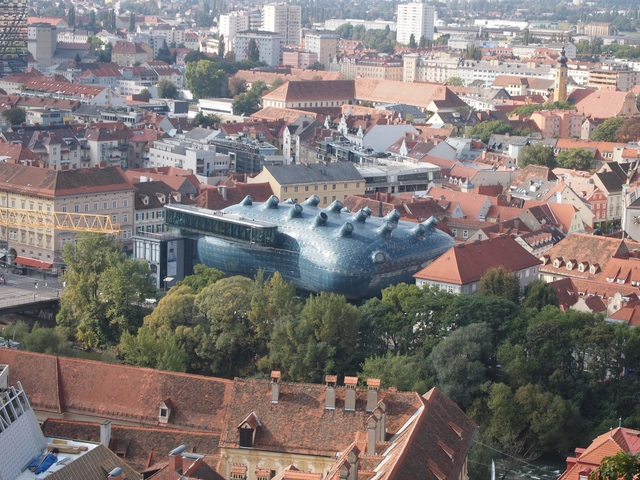
The Kunsthaus Graz, designed by Peter Cook and Colin Fournier, boldly redefines contemporary architecture in a historic city. Completed in 2003 as a centerpiece of Graz's European Capital of Culture celebrations, its biomorphic form, nicknamed the "Friendly Alien", captured global attention. Amidst Baroque and Medieval surroundings, it bridges past and future, standing as a testament to the city's cultural ambitions.

Situated along the River Mur in the Lend district, the Kunsthaus challenges traditional architectural norms with its organic, free-flowing design. Rejecting orthogonal geometry, the museum seamlessly merges art, architecture, and public interaction, redefining the concept of a cultural institution. Its impact extends beyond aesthetics, sparking urban revitalization in a once-overlooked neighborhood, and bringing cultural vibrancy and economic activity.

Kunsthaus Graz: A Friendly Alien Among Historic Landmarks - Image 1 of 4Kunsthaus Graz: A Friendly Alien Among Historic Landmarks - Image 2 of 4Kunsthaus Graz: A Friendly Alien Among Historic Landmarks - Image 3 of 4Kunsthaus Graz: A Friendly Alien Among Historic Landmarks - Image 4 of 4Kunsthaus Graz: A Friendly Alien Among Historic Landmarks - More Images+ 34

Sensory Maps: What the Sense of Smell Can Reveal about Urban Environments

Every city is a complex environment, bringing together people, cultures, architecture, commerce, and even nature. While experiencing a city, a lot of attention is given to its appearance, but appearance is not everything. The theory of sensory design aims to go beyond vision and explore the richness of the built environment through textures, smells, and sounds. For city officials and planners, a lot of attention generally goes towards how a city looks and sounds, but in terms of smell, the focus is mainly on managing waste or cleaning unsanitary areas. Yet the sense of smell, so often overlooked, is strongly linked to the creation of emotional memories. It contributes to our understanding of the world; it reveals otherwise hidden cultural practices, and it rounds up the experience of an environment.

Sensory Maps: What the Sense of Smell Can Reveal about Urban Environments - Image 1 of 4Sensory Maps: What the Sense of Smell Can Reveal about Urban Environments - Image 2 of 4Sensory Maps: What the Sense of Smell Can Reveal about Urban Environments - Image 3 of 4Sensory Maps: What the Sense of Smell Can Reveal about Urban Environments - Image 4 of 4Sensory Maps: What the Sense of Smell Can Reveal about Urban Environments - More Images+ 6

Through Bankruptcy and Boom: What's Really Happening in Detroit?

Subscriber Access | 

After exiting bankruptcy at the end of last year, Detroit has suddenly become something of a boomtown in the eyes of the media. Discourse now talks about Detroit Rising, the "Post-Post-Apocalyptic Detroit". Rents are rising, private investment is flowing into the city, and institutions that left the city for the affluent suburbs are now relocating back into Detroit proper. Too long used only as a cautionary tale, the new focus on the reality of Detroit and free flowing money opens the door for architects and urban planners, not to mention the wider community, to begin thinking about how they want to rebuild Detroit, and who they want to rebuild it for.

It’s the perfect opportunity to formulate plans that will genuinely aid Detroit, involve the community and create a revival that really achieves something. But as it stands, the "revival" forming in Detroit, aided and abetted by media coverage, will not improve conditions for the vast majority of Detroiters and will not create a sustainable platform for future growth, instead benefiting only the private investors and those rich enough to benefit from what is currently classic, by-the-book gentrification.

Through Bankruptcy and Boom: What's Really Happening in Detroit? - Image 1 of 4Through Bankruptcy and Boom: What's Really Happening in Detroit? - Image 2 of 4Through Bankruptcy and Boom: What's Really Happening in Detroit? - Image 3 of 4Through Bankruptcy and Boom: What's Really Happening in Detroit? - Image 4 of 4Through Bankruptcy and Boom: What's Really Happening in Detroit? - More Images+ 12

Walkable Cities? Rooftoppers Want Climbable Cities

Subscriber Access | 

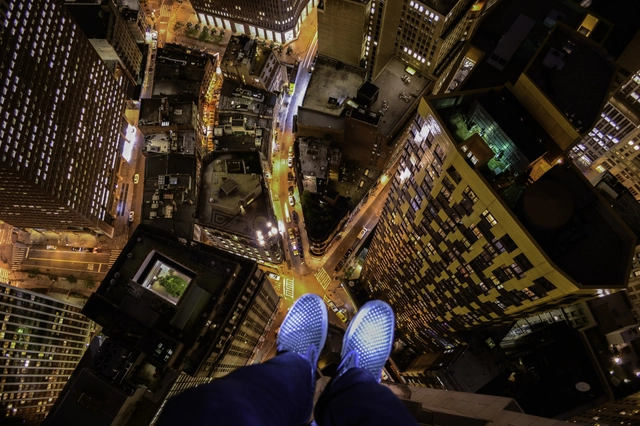
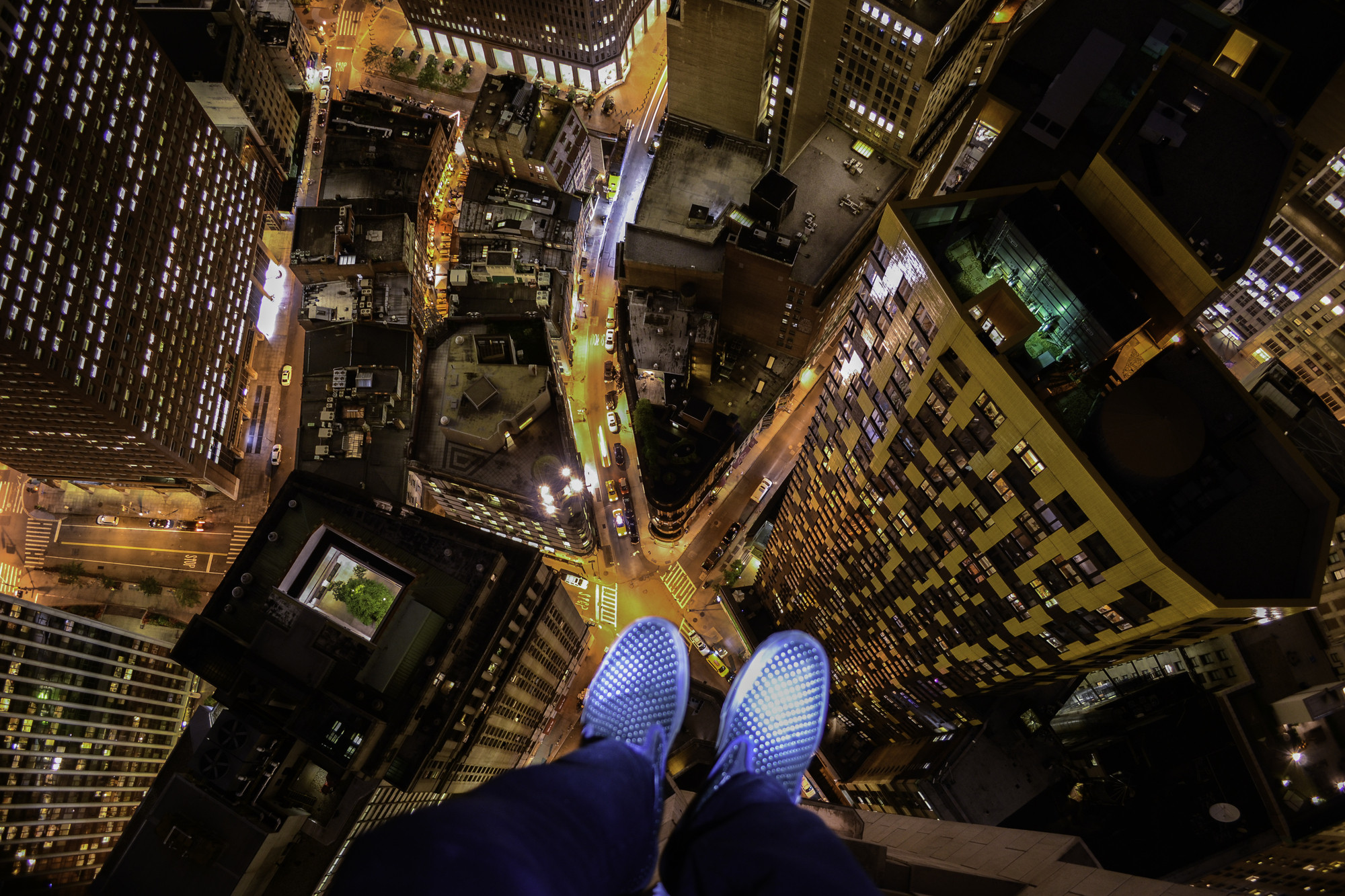
“The city for the people!” is the familiar rallying cry of the reformist architect - but which people, exactly? That’s the question at the heart of rooftopping, a new and thrill seeking variant of Urban Exploration which has recently captured the attention of the media. Spreading via social media outlets such as Instagram, the stunts draw attention by design, but why has coverage of the form of Urban Exploration climbed to such great heights?

Urban exploration has been at the fringes of the public consciousness since the mid 2000s as a form of punk sub-culture; anarchists poking around in sewer tunnels and proto-pinterest ruin exploration (although unsurprisingly the habit of people breaking into abandoned, closed off or normally inaccessible buildings dates back much, much farther). The way rooftopping has captured the public imagination, though, is as a form of public discourse: how it meshes with social media, the way corporate groups have attempted to market stunts, and the way these groups are interacting with the urban environment.

Walkable Cities? Rooftoppers Want Climbable Cities - Image 1 of 4Walkable Cities? Rooftoppers Want Climbable Cities - Image 2 of 4Walkable Cities? Rooftoppers Want Climbable Cities - Image 3 of 4Walkable Cities? Rooftoppers Want Climbable Cities - Image 4 of 4Walkable Cities? Rooftoppers Want Climbable Cities - More Images+ 2