1. ArchDaily
  2. Villas

Villas: The Latest Architecture and News

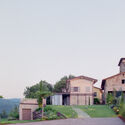
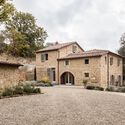
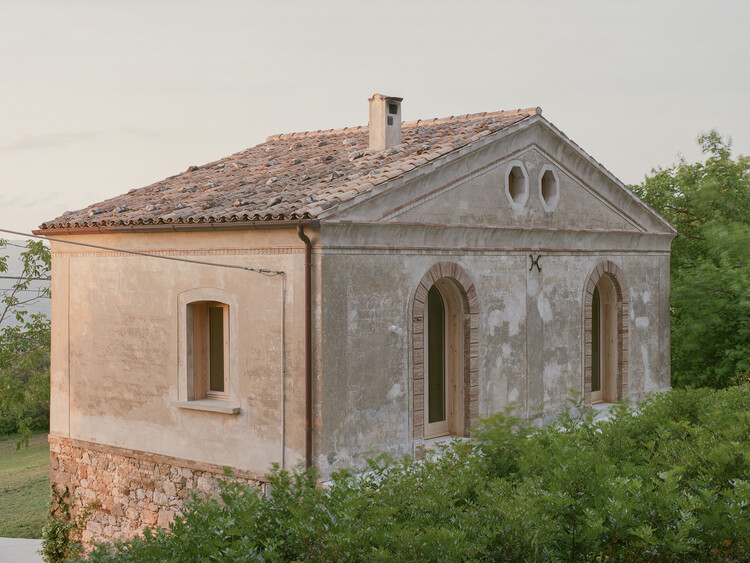
A Dialogue with the Past: Preservation Techniques of Historic Villas in Italy

Subscriber Access | 

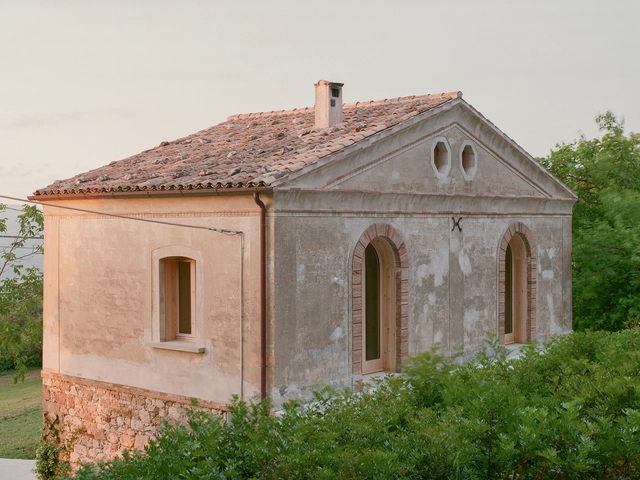
Italy's rich history, evident in its monuments and cities, has created a unique context for architectural renovation. Italian architects often embrace this heritage by engaging in a dialogue between old and new, rather than aiming for a complete transformation. This approach intentionally avoids an imitative style, instead using contemporary materials like steel, glass, and new wood to frame and highlight the existing historic stone and brickwork. This juxtaposition turns the original materials from simple structural elements into featured decorative and narrative ones. The result is a layered experience where the history of the space remains visible, ensuring it is preserved rather than erased by the renovation.
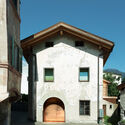
A Dialogue with the Past: Preservation Techniques of Historic Villas in Italy - Image 1 of 4A Dialogue with the Past: Preservation Techniques of Historic Villas in Italy - Image 2 of 4A Dialogue with the Past: Preservation Techniques of Historic Villas in Italy - Image 3 of 4A Dialogue with the Past: Preservation Techniques of Historic Villas in Italy - Image 4 of 4A Dialogue with the Past: Preservation Techniques of Historic Villas in Italy - More Images+ 2

From the Greek Seaside to the Fjords of Norway, Discover 9 Nature-Bound Villa Concepts from the ArchDaily Community

Subscriber Access | 

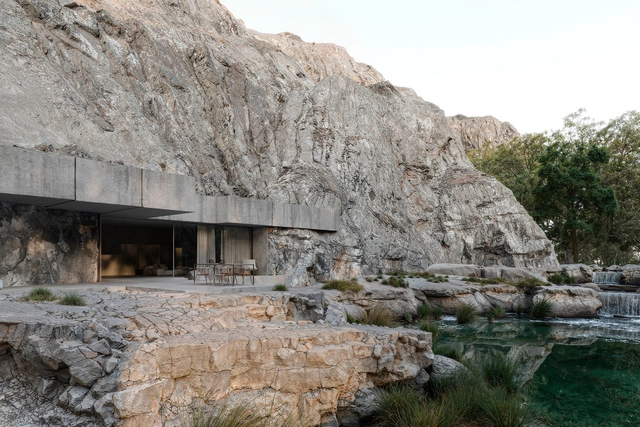
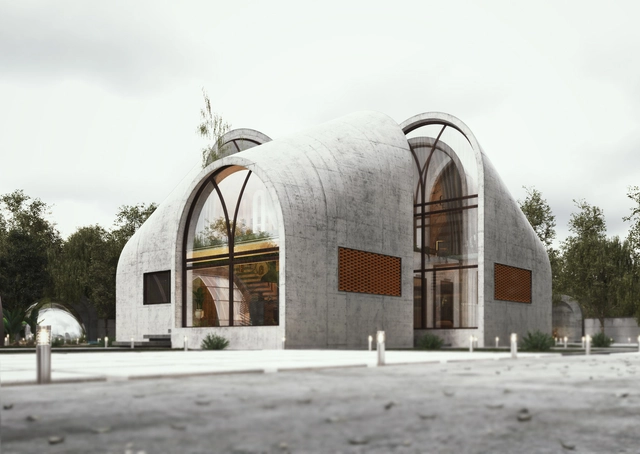
Residential architecture within natural settings presents a distinct departure from urban design. Unlike the densely populated, man-made environments of cities, the context shifts to a pre-existing, often subdued, natural landscape. This necessitates a more responsive and integrated approach, prioritizing harmony with the environment rather than dominance over it. Exploration of conceptual projects in this realm can help foster a deeper understanding of sustainable building practices, material selection appropriate to the ecological context, and the sensitive integration of human habitation into pre-existing ecosystems.

Each month, ArchDaily's editors select a collection of conceptual projects centered around a theme or program, submitted to ArchDaily. These projects are developed by small and large-scale architecture offices from around the world and submitted openly to the ArchDaily platform, thus forming a worldwide community of practitioners sharing their work, be it purely conceptual, a competition entry, or an early-stage design phase. Submissions are open to everybody. If you wish to contribute, send in your work by following the instructions here.

From the Greek Seaside to the Fjords of Norway, Discover 9 Nature-Bound Villa Concepts from the ArchDaily Community - Image 27 of 4From the Greek Seaside to the Fjords of Norway, Discover 9 Nature-Bound Villa Concepts from the ArchDaily Community - Image 21 of 4From the Greek Seaside to the Fjords of Norway, Discover 9 Nature-Bound Villa Concepts from the ArchDaily Community - Image 34 of 4From the Greek Seaside to the Fjords of Norway, Discover 9 Nature-Bound Villa Concepts from the ArchDaily Community - Image 7 of 4From the Greek Seaside to the Fjords of Norway, Discover 9 Nature-Bound Villa Concepts from the ArchDaily Community - More Images+ 63

Sheltered Villas in Greece and Floating Terraces in India: 10 Unbuilt Projects Submitted by our Readers

Subscriber Access | 

Houses and Villas are the most researched topics on ArchDaily. Putting together a curated selection of conceptual interventions, this week’s Best Unbuilt Architecture focuses on the residential sector. From all over the world, this group presents proposals submitted by our readers.

This article highlights a floating terraces project from India, a lodge in Ethiopia, a seasonal home for an Iranian family in Germany, and a residential compound in Saudi Arabia. Beach houses in Greece, Croatia, and the U.S. are also featured, showcasing different approaches for the same program. Moreover, more futuristic interventions include the Mountain House on the rocky cliffs of British Columbia, and the blue house, an aquarium-like type of home.

Sheltered Villas in Greece and Floating Terraces in India: 10 Unbuilt Projects Submitted by our Readers - Image 23 of 4Sheltered Villas in Greece and Floating Terraces in India: 10 Unbuilt Projects Submitted by our Readers - Image 31 of 4Sheltered Villas in Greece and Floating Terraces in India: 10 Unbuilt Projects Submitted by our Readers - Image 40 of 4Sheltered Villas in Greece and Floating Terraces in India: 10 Unbuilt Projects Submitted by our Readers - Image 49 of 4Sheltered Villas in Greece and Floating Terraces in India: 10 Unbuilt Projects Submitted by our Readers - More Images+ 56

Treasuring History: Photographs of Tadao Ando's First European Villa Restoration

Treasuring History: Photographs of Tadao Ando's First European Villa Restoration - Image 5 of 4
Courtesy of Karina Castro / Courtesy of FABRICA

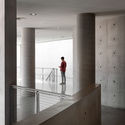
Inducing a surreal physical experience through minimal maneuvers, buildings with smooth concrete panels and simple geometric volumes instinctively hint at the work of Japanese architect Tadao Ando. At an ongoing exhibition at the Centre Pompidou, photographs of the headquarters of Fabrica, Ando's first European commission in 1992, are showcased. Located near the city of Treviso, the building was an old villa restored to become a thriving creative research center.

Villa Pastega Manera, built on an area of 51,000 square meters, went through a rigorous study of traditional construction techniques and material sampling to commence the redesign. The photographs feature the harmonious integration between the historical structure and seamless renovations. 

Treasuring History: Photographs of Tadao Ando's First European Villa Restoration - Image 1 of 4Treasuring History: Photographs of Tadao Ando's First European Villa Restoration - Image 2 of 4Treasuring History: Photographs of Tadao Ando's First European Villa Restoration - Featured ImageTreasuring History: Photographs of Tadao Ando's First European Villa Restoration - Image 3 of 4Treasuring History: Photographs of Tadao Ando's First European Villa Restoration - More Images+ 28

Black Concrete: How Attilio Panzeri Creates Contrast with a Specialized Recipe

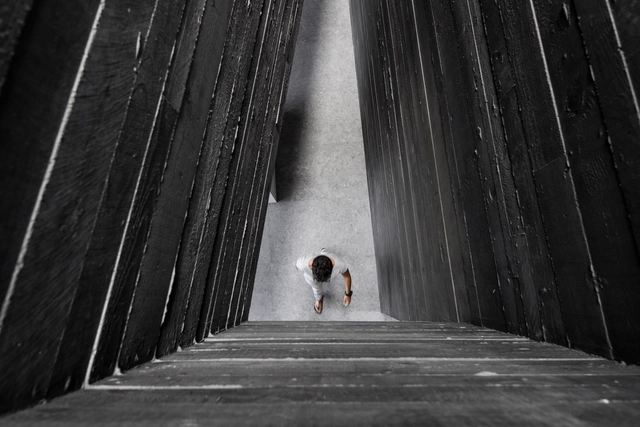
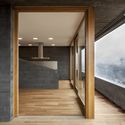
What makes the color black so enticing for architects? Projects made in black concrete are both striking and complex in their design and are gaining widespread appeal in contemporary projects, both public and private. What we don’t know is just how hard it is to create black concrete in the first place. We spoke with Attilio Panzeri & Partners who have mastered the craft - and here’s what we learned:

Black Concrete: How Attilio Panzeri Creates Contrast with a Specialized Recipe - Image 1 of 4Black Concrete: How Attilio Panzeri Creates Contrast with a Specialized Recipe - Image 2 of 4Black Concrete: How Attilio Panzeri Creates Contrast with a Specialized Recipe - Image 3 of 4Black Concrete: How Attilio Panzeri Creates Contrast with a Specialized Recipe - Image 4 of 4Black Concrete: How Attilio Panzeri Creates Contrast with a Specialized Recipe - More Images+ 35

Photographer Mirna Pavlovic Captures the Decaying Interiors of Grand European Villas

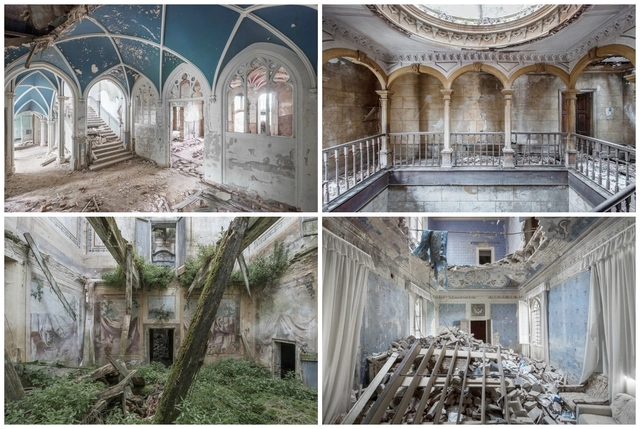
Architectural photographer Mirna Pavlovic has an obsession with abandoned places. For her, their appeal lies in their ability to exist on a different temporal plane from the rest of reality – both impossibly ancient and frozen in the present.

“They are never truly dead, yet never really alive,” Pavlovic explains. “Precariously treading along the border between life and death, decay and growth, the seen and the unseen, the past and the present, abandoned places confusingly encompass both at the same time, thus leaving the ordinary passer-by overwhelmed with both attraction and revulsion.”

For her latest series, Dulcis Domus, Pavlovic trekked over fences and past “no trespassing” signs to capture the once-glorious villas, palaces and castles of Europe that have now been left to decay, slowly returning to the Earth that existed before them. Through photography, Pavlovic attempts to highlight social issues through an aestheticised approach, allowing viewers to “see with fresh eyes what lies beneath those spots that we pass by on the street.”

Continue reading to see a selection of photographs from the series – hover over the images to see where each villa is located.