1. ArchDaily
  2. Wallmakers

Wallmakers: The Latest Architecture and News

ArchDaily's Best Architectural Projects of 2025

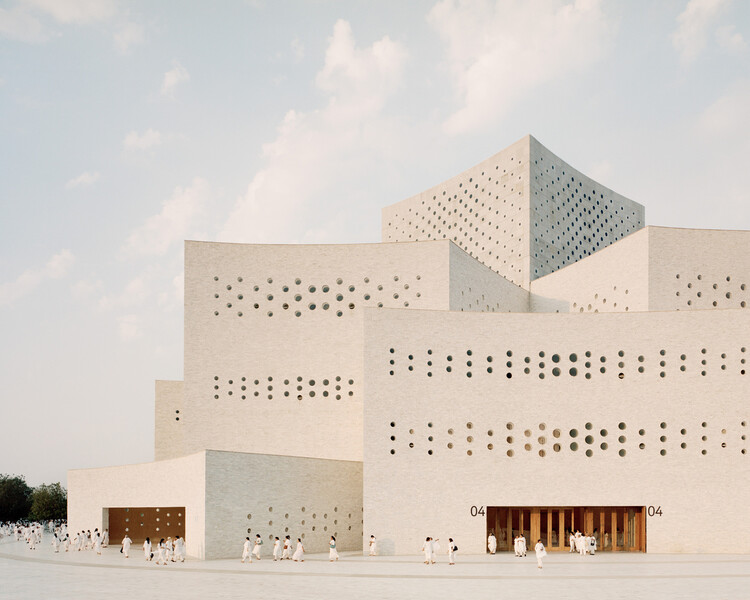
As the year culminates, it's once again time for the ArchDaily team of curators to reflect on the best-performing projects of 2025 and consider what readers were most interested in. Through this diverse overview, we assess the cross-continental similarities and differences in trends and construction development. This year brought us many grand cultural and public spaces by Lina Ghotmeh, BIG, Zaha Hadid Architects, DnA, and Serie Architects, who populated events like Expo Osaka and the Venice Biennale, as well as a surprising number of museums and public or landscape works in China and the rest of the Asian continent. However, while these were sought-after projects, the leading works remained, unsurprisingly, residential projects.

More specifically, the houses that were most viewed on the ArchDaily global site were concrete houses that bore considerable injections of greenery and landscape focus. They propose layouts highlighting voids and double heights, as well as inner courtyards or large openings to the exterior. While some references did suggest traditional or vernacular elements, modernist revivals were still predominant. Material trends are much more tame, with a recurrence of raw concrete use, as wood and stone were common accent elements. Still, the more interesting thing about the works this year is the efforts brought by architects in situating and setting the projects within their surroundings, bringing special attention to landscape and how projects merged with nature.
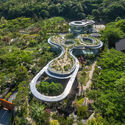

ArchDaily's Best Architectural Projects of 2025 - SustainabilityArchDaily's Best Architectural Projects of 2025 - SustainabilityArchDaily's Best Architectural Projects of 2025 - SustainabilityArchDaily's Best Architectural Projects of 2025 - SustainabilityArchDaily's Best Architectural Projects of 2025 - More Images+ 96

Circular by Tradition: India’s Vernacular Building Practices for a Warming World

Across India's varied geographies, from coastal backwaters to desert fortress cities, architecture evolved with a deep, instinctive connection to climate. These were not isolated craft traditions but complete ecological systems in which material cycles, thermal comfort, and community knowledge were interdependent. As COP30 turns global attention toward the links between heritage and climate resilience, India's vernacular practices appear less as historical artifacts and more as climate technologies refined over centuries.

India's timber, lime, mud, and bamboo building traditions all share a common thread: they relied on local materials, passive cooling, and construction systems designed to be repaired, renewed, and reused. In an era dominated by cement, steel, and demolition-driven redevelopment, these earlier material cultures demonstrate a quiet circularity that feels radical again.

Circular by Tradition: India’s Vernacular Building Practices for a Warming World - Image 3 of 4Circular by Tradition: India’s Vernacular Building Practices for a Warming World - Image 5 of 4Circular by Tradition: India’s Vernacular Building Practices for a Warming World - Image 4 of 4Circular by Tradition: India’s Vernacular Building Practices for a Warming World - Image 1 of 4Circular by Tradition: India’s Vernacular Building Practices for a Warming World - More Images+ 4

ArchDaily's Best Architectural Projects of 2024

Throughout the year, ArchDaily's team of curators works on expanding and populating our project library. Located all around the world, each curator carefully considers the best works emanating from their respective regions in an effort to have a diverse representation of the most inspiring and innovative built works. The team looks to new rising practices, new technologies, and the vernacular revival of traditional construction techniques. Seeking socially driven initiatives, as well as major works by renowned architects, the overall offers a holistic view of the built world today and is relayed through the yearly project review.

ArchDaily's Best Architectural Projects of 2024 - Image 1 of 4ArchDaily's Best Architectural Projects of 2024 - Image 2 of 4ArchDaily's Best Architectural Projects of 2024 - Image 3 of 4ArchDaily's Best Architectural Projects of 2024 - Image 4 of 4ArchDaily's Best Architectural Projects of 2024 - More Images+ 96

Step by Step: Exploring 12 Projects Featuring Staircase or Terraced Roof Designs

Pitched roofs and terraced lots or hillsides are some of the oldest, yet still highly functional, solutions for rainwater dispersal, redirection, and erosion management. While most constructions today still opt for traditional pitched or flat roofs, advancements in construction materials and techniques are leading to greater design exploration and layout variations. This has resulted in a rise in green roofs, passive insulation solutions, and more innovative uses of rooftops. One particular case has been the recurrence of the staircase or terraced roofs that often bring about a smooth continuity with the site and provide additional functional spaces to the project.

Step by Step: Exploring 12 Projects Featuring Staircase or Terraced Roof Designs - Image 1 of 4Step by Step: Exploring 12 Projects Featuring Staircase or Terraced Roof Designs - Image 2 of 4Step by Step: Exploring 12 Projects Featuring Staircase or Terraced Roof Designs - Image 3 of 4Step by Step: Exploring 12 Projects Featuring Staircase or Terraced Roof Designs - Image 4 of 4Step by Step: Exploring 12 Projects Featuring Staircase or Terraced Roof Designs - More Images+ 34

Learning from Global Architecture Exhibitions: Resource Efficiency, Vernacular Intelligence, and Social and Environmental Advocacy

Over the past year, architecture exhibitions have significantly addressed pressing global issues such as climate change, resource scarcity, and social advocacy. According to the Harvard Graduate School of Design, architecture exhibitions can foster dynamic engagement with contemporary issues, serving as platforms for experimentation and critique. These events, such as the Venice Architecture Biennale, Sharjah Architecture Triennial, Milan Design Week, and Concéntrico, serve as essential platforms for creatives to showcase and explore new ideas. Moreover, they have been instrumental in addressing the urgent challenges posed by the climate crisis by promoting sustainable practices.

Learning from Global Architecture Exhibitions: Resource Efficiency, Vernacular Intelligence, and Social and Environmental Advocacy - Image 1 of 4Learning from Global Architecture Exhibitions: Resource Efficiency, Vernacular Intelligence, and Social and Environmental Advocacy - Image 2 of 4Learning from Global Architecture Exhibitions: Resource Efficiency, Vernacular Intelligence, and Social and Environmental Advocacy - Featured ImageLearning from Global Architecture Exhibitions: Resource Efficiency, Vernacular Intelligence, and Social and Environmental Advocacy - Image 3 of 4Learning from Global Architecture Exhibitions: Resource Efficiency, Vernacular Intelligence, and Social and Environmental Advocacy - More Images+ 9

Playing with Transparency: 4 Projects Challenging Traditional Window-Making in Architecture

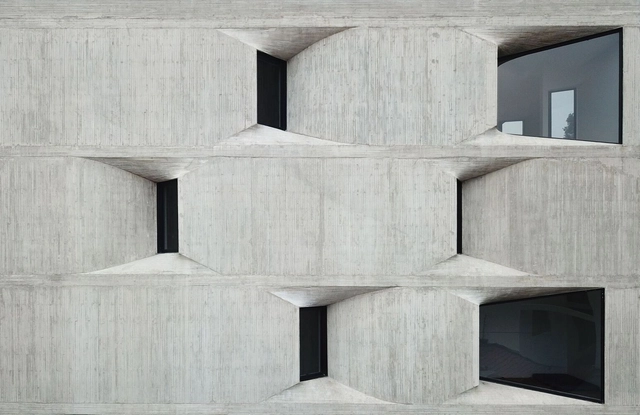
Formally, transparency usually takes the shape of a window, a door, a curtain wall, or a skylight. These are commonly created through rectangular punched openings or in the form of glass curtain wall systems or translucent screens. The following projects play with traditional notions of transparency and window-making in playful and unconventional ways. They create visually striking facades and dynamic relationships between their exterior and interior. They filter light and frame views through their glazing and opening articulation to craft memorable architectural experiences.

Playing with Transparency: 4 Projects Challenging Traditional Window-Making in Architecture - Image 1 of 4Playing with Transparency: 4 Projects Challenging Traditional Window-Making in Architecture - Image 2 of 4Playing with Transparency: 4 Projects Challenging Traditional Window-Making in Architecture - Image 3 of 4Playing with Transparency: 4 Projects Challenging Traditional Window-Making in Architecture - Image 4 of 4Playing with Transparency: 4 Projects Challenging Traditional Window-Making in Architecture - More Images+ 9

Highlights from the Sharjah Triennial: 10 Installations Exploring the Beauty of Impermanence

Subscriber Access | 

Running from November 11, 2023 until March 10, 2024, The Sharjah Architecture Triennial celebrates innovations in the built environment, particularly in the global south. The main goal of the display is to draw attention to sustainable, accessible, and equitable futures while highlighting the value of alternative responses to resource constraints. As the event draws to a close, ArchDaily explores 10 architectural installations that respond to the overarching theme through various mediums.

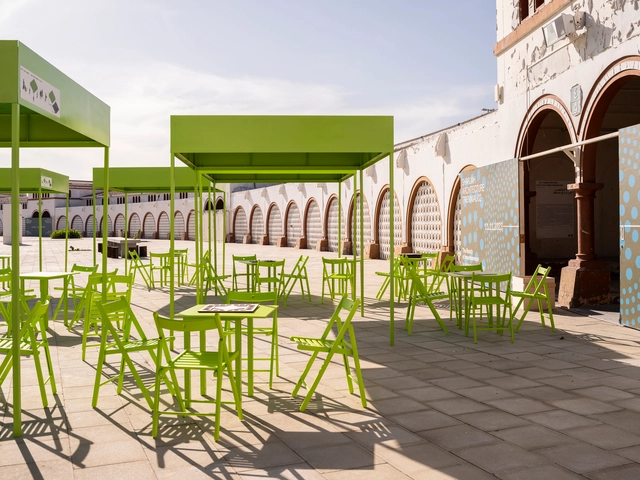
Curated by Tosin Oshinowo under the theme “The beauty of Impermanence: An Architecture of Adaptability,” the triennial has contributions from 29 architects and studios across 25 countries. From 51-1 Arquitectos transforming an unapproachable place into a dynamic play space featuring popular board games from various regions to Al Borde redefining a space with a custom-designed shading structure made with natural materials, the Sharjah Architecture Triennial presents a diverse array of architectural interventions. WaiWai's showcase spotlights three instances of modern architecture in Tashkent, Uzbekistan, highlighting their significant evolution. DAAR's "Concrete Tent" combines elements of a mobile tent and concrete house, exploring the concept of "permanent temporariness.” These installations offer innovative perspectives on adaptability, sustainability, and cultural significance within the architectural landscape.

 Highlights from the Sharjah Triennial: 10 Installations Exploring the Beauty of Impermanence  - Image 1 of 4 Highlights from the Sharjah Triennial: 10 Installations Exploring the Beauty of Impermanence  - Image 2 of 4 Highlights from the Sharjah Triennial: 10 Installations Exploring the Beauty of Impermanence  - Image 3 of 4 Highlights from the Sharjah Triennial: 10 Installations Exploring the Beauty of Impermanence  - Image 4 of 4 Highlights from the Sharjah Triennial: 10 Installations Exploring the Beauty of Impermanence  - More Images+ 7

Top 2023 Pavillions and Installations Interrogating Architecture of the Global South

Architecture in the Global South often embodies a rich cultural heritage and craftsmanship, incorporating vibrant colors, intricate patterns, and symbolic elements. It also tackles the challenges faced by developing economies, such as limited resources, rapid urbanization, and social inequality, by promoting inclusive and community-driven design solutions. As installations and pavilions serve as radical templates for interrogating these architectural ideals and seeking innovative solutions, we present the top architectural installations as part of our year-in-review. They encompass curated exhibitions like the Venice Architecture Biennale, as well as permanent pavilion structures in specific contexts that delve into local materials, waste reuse, and the reinterpretation of historical narratives.

Top 2023 Pavillions and Installations Interrogating Architecture of the Global South - Image 1 of 4Top 2023 Pavillions and Installations Interrogating Architecture of the Global South - Image 2 of 4Top 2023 Pavillions and Installations Interrogating Architecture of the Global South - Image 3 of 4Top 2023 Pavillions and Installations Interrogating Architecture of the Global South - Image 4 of 4Top 2023 Pavillions and Installations Interrogating Architecture of the Global South - More Images+ 6

The Beauty of Impermanence: Exploring Adaptive Architecture from the Global South at the 2023 Sharjah Architecture Triennial

Subscriber Access | 

Inaugurated on November 11, 2023, and running until March 10, 2024, the Sharjah Architecture Triennial serves as a metaphor drawing attention to the design and technological innovations within the built environment, particularly in the global south. The exhibition features contributions from 29 architects and studios spanning 25 countries. Building upon Venice's global platform for experimentation at the 18th International Architecture Exhibition, the 2023 Triennial embarks on a similar journey, creating space for voices and discussions often overlooked in global exhibitions and unveiling elements that have long existed but remained unseen. With a keen awareness of the global south, but also of the global north, and an understanding of the polarities between them, as articulated by curator Tosin Oshinowo, this second edition of the exhibition focuses on "The Beauty of Impermanence: An Architecture of Adaptability."

Celebrating everything that exists, especially in the global south where places thrive amidst scarcity, the triennial adopts an optimistic approach, drawing lessons from current situations and revealing the value and sophistication of alternative responses that have emerged due to resource constraints. “We're able to celebrate them. We're able to learn from them”, adds the curator. The triennial aims to comprehend a more sustainable, accessible, and equitable future—a collective effort to address the challenges of climate change, explore the built environment, and embrace under-celebrated regional traditions. Highlighting solutions that have endured the course of time and others responding to contemporary difficulties, "The Beauty of Impermanence" emphasizes the necessity of nuanced hybridity essential for our urbanized world.

The Beauty of Impermanence: Exploring Adaptive Architecture from the Global South at the 2023 Sharjah Architecture Triennial - Image 1 of 4The Beauty of Impermanence: Exploring Adaptive Architecture from the Global South at the 2023 Sharjah Architecture Triennial - Image 2 of 4The Beauty of Impermanence: Exploring Adaptive Architecture from the Global South at the 2023 Sharjah Architecture Triennial - Image 3 of 4The Beauty of Impermanence: Exploring Adaptive Architecture from the Global South at the 2023 Sharjah Architecture Triennial - Image 4 of 4The Beauty of Impermanence: Exploring Adaptive Architecture from the Global South at the 2023 Sharjah Architecture Triennial - More Images+ 14

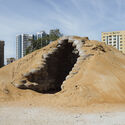
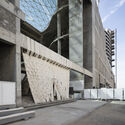
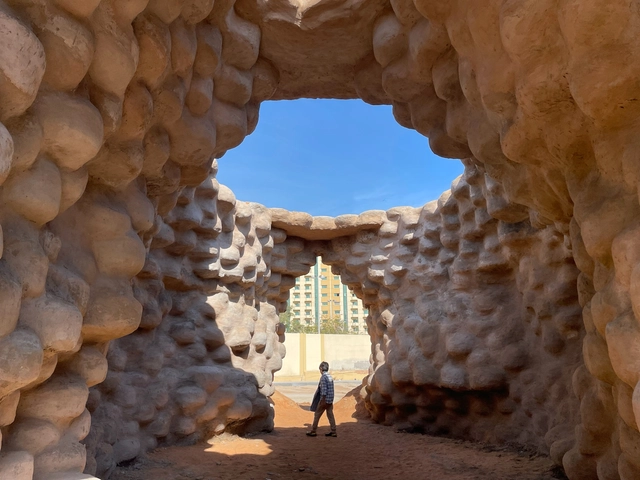
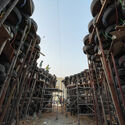
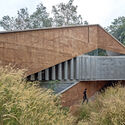
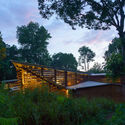
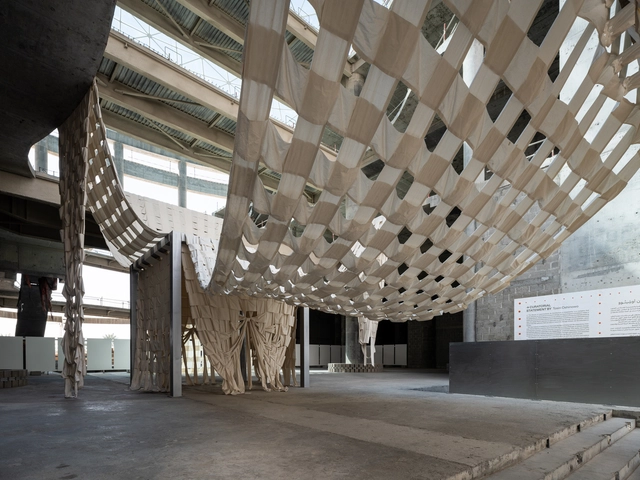
"3-Minute Pavilion" by WallMakers Explores Waste and Material Scarcity at the Sharjah Triennial 2023

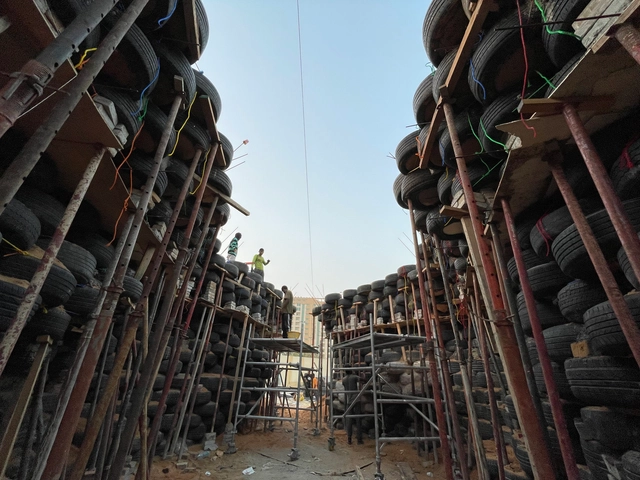
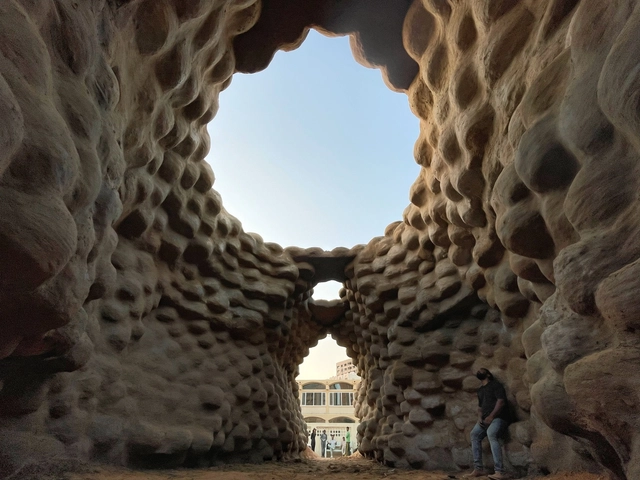
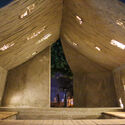
The Sharjah Architecture Triennial opened on November 11, 2023, with the theme of The Beauty of Impermanence: An Architecture of Adaptability. Curated by Tosin Oshinowo, the program focused heavily on the Global South and alternative models the region can provide in the future. As part of the Triennial, the “3-Minute Corridor” pavilion by WallMakers explores our waste on a global scale, exploring methodologies of material reuse.

"3-Minute Pavilion" by WallMakers Explores Waste and Material Scarcity at the Sharjah Triennial 2023 - Image 1 of 4"3-Minute Pavilion" by WallMakers Explores Waste and Material Scarcity at the Sharjah Triennial 2023 - Image 2 of 4"3-Minute Pavilion" by WallMakers Explores Waste and Material Scarcity at the Sharjah Triennial 2023 - Image 3 of 4"3-Minute Pavilion" by WallMakers Explores Waste and Material Scarcity at the Sharjah Triennial 2023 - Image 4 of 43-Minute Pavilion by WallMakers Explores Waste and Material Scarcity at the Sharjah Triennial 2023 - More Images+ 3

Local Colors in Rammed Earth Construction: 50 Projects Revealing Earth's Vibrant Palette

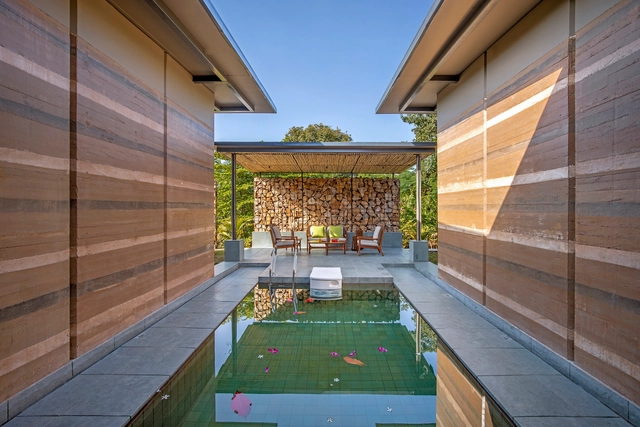
With the proper know-how, readily available earth, sand, chalk, lime, or gravel can yield a versatile, strong, and durable construction material. Its colorful results vary from region to region, depending on the natural soil component, climate, and treatment. While some prefer to minimize any added processing, others relish the exploration of rammed earth surfaces. Different textures and mesmerizing layers of multitoned or multicolored earth can be used to create a solid surface that enriches the visual quality of a space and carries a sense of warmth to any project. 

Local Colors in Rammed Earth Construction: 50 Projects Revealing Earth's Vibrant Palette - Image 1 of 4Local Colors in Rammed Earth Construction: 50 Projects Revealing Earth's Vibrant Palette - Image 2 of 4Local Colors in Rammed Earth Construction: 50 Projects Revealing Earth's Vibrant Palette - Image 3 of 4Local Colors in Rammed Earth Construction: 50 Projects Revealing Earth's Vibrant Palette - Image 4 of 4Local Colors in Rammed Earth Construction: 50 Projects Revealing Earth's Vibrant Palette - More Images+ 46

Exploring Scarcity in Global South: Sharjah Architecture Triennial 2023 Announces Full List of Participants

A group of 31 architects, studios, and designers have been invited to participate in the Sharjah Architecture Triennial from 11 November to 10 March 2024. For its second edition, the Triennial aims to explore innovative design solutions emerging from conditions of scarcity in the Global South. The participants, representing 27 countries, offer a diverse and international response to the theme, addressing its implications for the future of architecture. The Triennial is curated by Tosin Oshinowo and revolves around the theme "The Beauty of Impermanence: An Architecture of Adaptability."
Exploring Scarcity in Global South: Sharjah Architecture Triennial 2023 Announces Full List of Participants  - Image 1 of 4Exploring Scarcity in Global South: Sharjah Architecture Triennial 2023 Announces Full List of Participants  - Featured ImageExploring Scarcity in Global South: Sharjah Architecture Triennial 2023 Announces Full List of Participants  - Image 2 of 4Exploring Scarcity in Global South: Sharjah Architecture Triennial 2023 Announces Full List of Participants  - Image 3 of 4Exploring Scarcity in Global South: Sharjah Architecture Triennial 2023 Announces Full List of Participants  - More Images+ 2

First Participants Announced for 2023 Sharjah Architecture Triennial

The 2023 Sharjah Architecture Triennial (SAT) will take place from November 11th, 2023 to March 10th, 2024, under the theme "The Beauty of Impermanence: An Architecture of Adaptability". Focusing on how scarcity in the Global South has led to a culture of re-use, re-appropriation, innovation, collaboration, and adaptation, the second edition of the architectural exhibition, curated by Tosin Oshinowo, aims to shift global conversations towards creating a more sustainable, resilient, and equitable future.

First Participants Announced for 2023 Sharjah Architecture Triennial - Image 1 of 4First Participants Announced for 2023 Sharjah Architecture Triennial - Image 2 of 4First Participants Announced for 2023 Sharjah Architecture Triennial - Image 3 of 4First Participants Announced for 2023 Sharjah Architecture Triennial - Image 4 of 4First Participants Announced for 2023 Sharjah Architecture Triennial - More Images+ 4

“I Am Always Mindful That Construction is a Sin”: Interview with Vinu Daniel of Wallmakers

Most architects design projects in the comfort of their offices, sitting behind their desks, making decisions by looking at their flatscreens, never visiting a construction site, and managing everything remotely. This attitude may lead to a design of a sleek and even objectively beautiful building. But such a solution can't be anywhere near a genuine response to what any given site may require. How do you even find out? Is it possible to build something new as if it were an extension of what is already there in the most innate, consequential, yet original form? The only way to find out is to start from the site itself, says Vinu Daniel, the founder of Wallmakers, an award-winning architectural practice in Trivandrum, the capital of the southern Indian state of Kerala.

“I Am Always Mindful That Construction is a Sin”: Interview with Vinu Daniel of Wallmakers - Image 1 of 4“I Am Always Mindful That Construction is a Sin”: Interview with Vinu Daniel of Wallmakers - Image 2 of 4“I Am Always Mindful That Construction is a Sin”: Interview with Vinu Daniel of Wallmakers - Image 3 of 4“I Am Always Mindful That Construction is a Sin”: Interview with Vinu Daniel of Wallmakers - Image 4 of 4“I Am Always Mindful That Construction is a Sin”: Interview with Vinu Daniel of Wallmakers - More Images+ 24

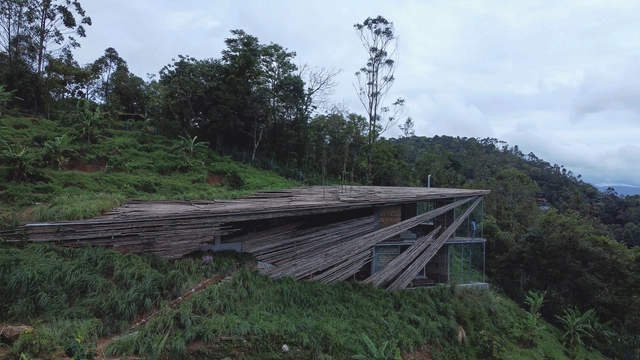
The Ledge / Wallmakers

The Ledge / Wallmakers - Interior Photography, Houses, Stairs, HandrailThe Ledge / Wallmakers - Interior Photography, Houses, Handrail, BeamThe Ledge / Wallmakers - Interior Photography, HousesThe Ledge / Wallmakers - Exterior Photography, HousesThe Ledge / Wallmakers - More Images+ 17

Peermade, India
  • Architects: Wallmakers
  • Area Area of this architecture project Area:  178
  • Year Completion year of this architecture project Year:  2021

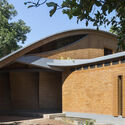
Jack Fruit Garden Residence / Wallmakers

Jack Fruit Garden Residence / Wallmakers - Exterior Photography, Houses, FacadeJack Fruit Garden Residence / Wallmakers - Interior Photography, Houses, Stairs, Handrail, FacadeJack Fruit Garden Residence / Wallmakers - Interior Photography, Houses, BeamJack Fruit Garden Residence / Wallmakers - Exterior Photography, HousesJack Fruit Garden Residence / Wallmakers - More Images+ 17

Vengola, India