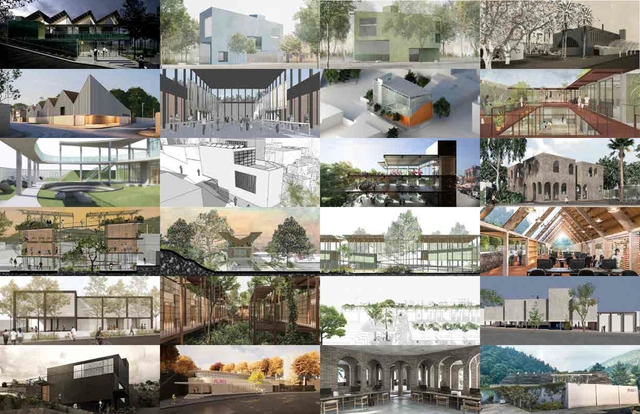
WORKac is a New York-based firm founded in 2003 by Amale Andraos and Dan Wood. The firm has always believed in "the power of architecture and design to engage in environmental and social concerns, and to create new possibilities for the future." In that sense, the firm's principals define their approach to architecture as a constant evolution. For them, it is a continuous process of learning, questioning, and relearning, which is nurtured through the firm's engagement in local culture, climates, and histories, as well as discourse in the fields of ecology, landscape, and urbanism. In this way, they are able to bring these topics together with a focus on public, cultural, and civic projects that aim to reinvent how people live, work, and experience the world.
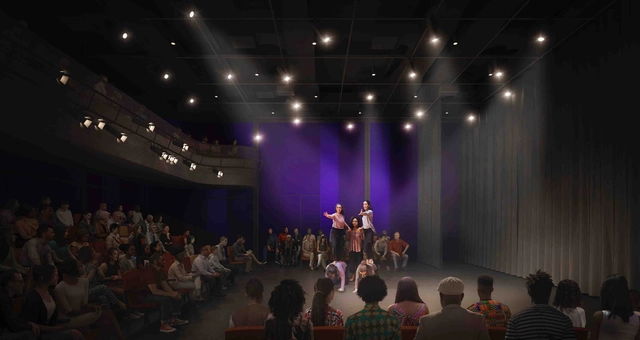
WORKac has just initiated the construction of a new cultural center in Inwood, New York. Led by immigrants and women of color, “The People’s Theater: Centro Cultural Inmigrante” is dedicated to supporting immigrant New Yorkers through various artistic programs. Spanning multiple languages and generations, their unique form of theater serves as a dynamic platform for immigrants and members of the Latin, Black, and Queer communities.
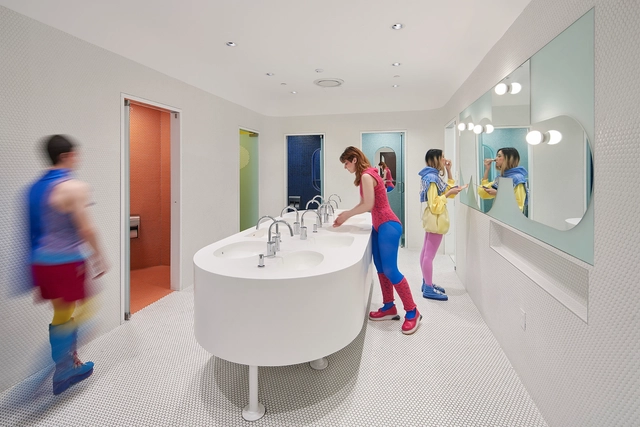
“Creating an equitable city implies that every citizen has their needs met”, states architect Wanda Dalla Costa at a time when metropolises were noticing change. Architects and the public have started to acknowledge the gender-driven design of public spaces. Across the world, urban areas have been a site of discrimination and danger to the LGBTQ+ community. Gender is demonstrated in public zones that promote visibility and interaction between people. An arduous challenge lays upon architects and planners to design fair environments and equitable spaces.
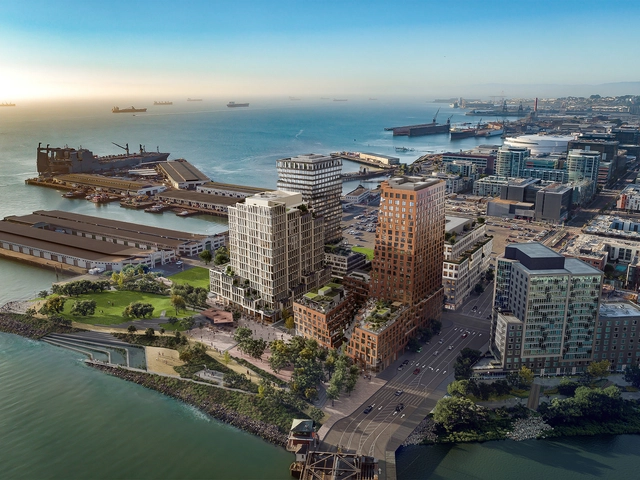
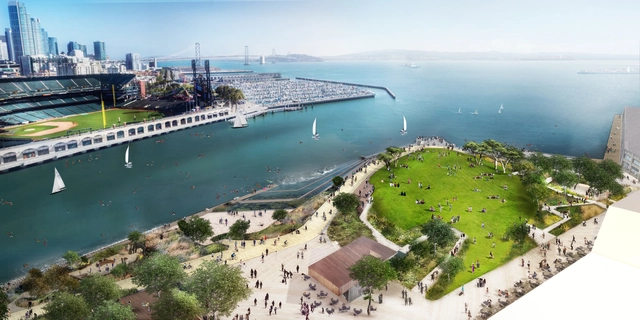
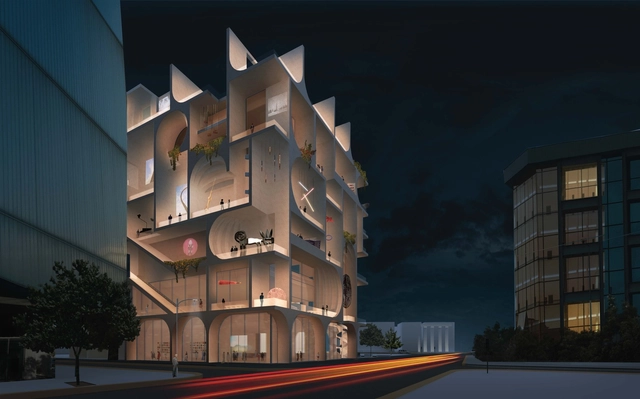
Construction has begun on MVRDV’s new 23-story mixed-use tproject at Mission Rock in San Francisco. One of four buildings in a multi-phase masterplan, the tower was designed alongside work by Studio Gang, Henning Larsen, and WORKac. The Mission Rock masterplan aims to turn 28 acres into a new neighborhood for San Francisco residents and visitors. The projects are made to connect to China Basin Park.
Mexico City's Secretary of Public Works and Services announced a collaboration with some of the country's most distinguished architectural minds in a move to add on to the capital's educational and cultural infrastructure. The project centers on the planning and building of 25 new Points of Innovation, Freedom, Art, Education, and Knowledge (PILARES), an initiative implemented by Mexico City Mayor Claudia Sheinbaum.
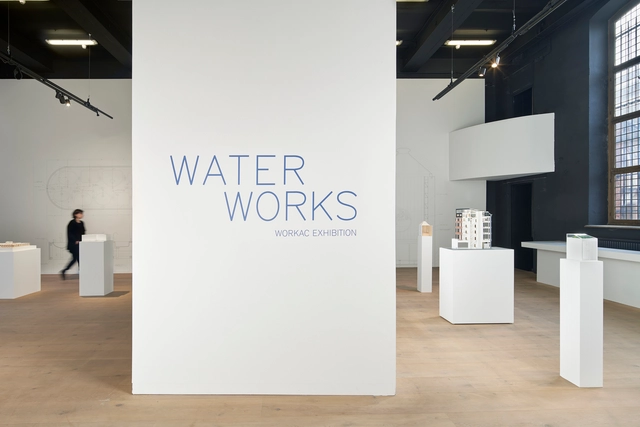
WORKac in collaboration with Musea Brugge and Cultuurcentrum Brugge has created an exhibition entitled Water Works. Set to run initially from March 7th to June 7th, 2020 at the historic Poortersloge in Bruges, Belgium, the exhibition has been temporarily closed to the public due to the ongoing COVID-19 epidemic. However, the New York-based architectural practice has produced a brief video highlighting its six themed rooms and the eighteen projects on display.
Overview – Daytime . Image Courtesy of Mission Rock/ China Basin Park
The first phase of the planning vision for Mission Rock in San Francisco was initiated. The masterplan developed by the San Francisco Giants and Tishman Speyer put in place four buildings designed by internationally renowned architecture firms MVRDV, Studio Gang, Henning Larsen, and WORKac. The scheme also includes a 5-acre waterfront park by SCAPE.
What is architecture if it does not understand its context? Architecture is shaped and curated by the area it lives in, showcasing the culture it embodies. The more of this identity it embodies, the more meaningful (and sometimes prominent) it becomes.
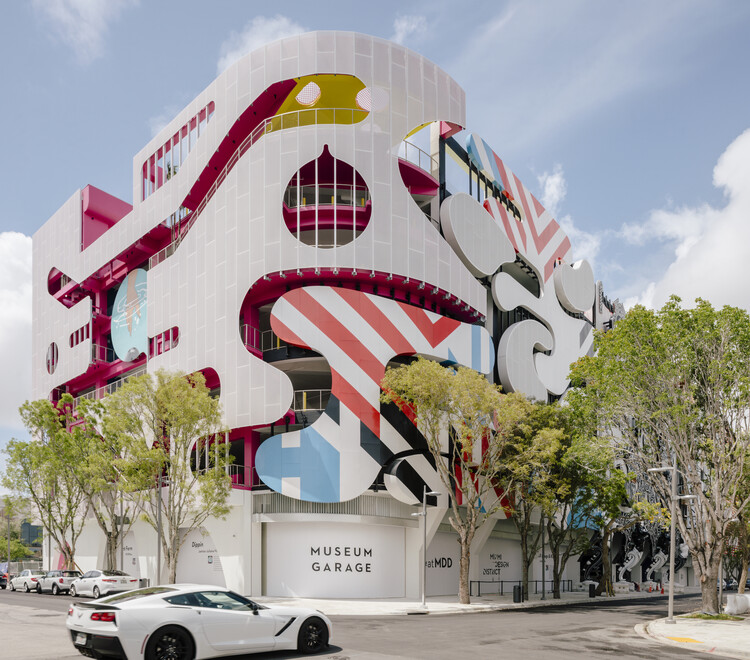
December of 2018 was a month of prosperity for Lebanese architecture: Hashim Sarkis was announced curator of the 2020 Venice Biennale and Lebanese-born Amale Andraos and partner Dan Wood of WORKac were selected to build the Beirut Museum of Art. The museum, a dynamic assembly of contoured geometries (not entirely unlike their work at Miami's Museum Garage) located in the heart of Beirut City, will house permanent and temporary exhibitions across 12,000 square meters. WORKac's winning scheme was chosen for its ability to “reveal the cultural possibilities of integrating art, architecture, and landscape within a dense urban setting and as a means to re-imagine how we can live, learn and share together.”
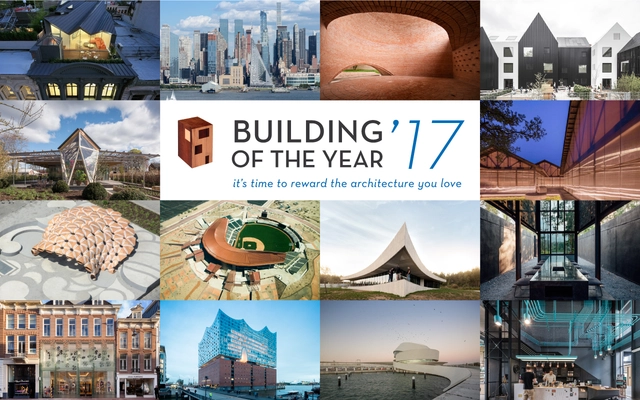
After two weeks of nominations and voting, last week we announced the 16 winners of the 2017 Building of the Year Awards. In addition to providing inspiration, information, and tools for architecture lovers from around the world, ArchDaily seeks to offer a platform for the many diverse and global voices in the architecture community. In this year's Building of the Year Awards that range of voices was once again on display, with 75,000 voters from around the world offering their selections to ultimately select 16 winners from over 3,000 published projects.
Behind each of those projects are years of research, design, and labor. In the spirit of the world's most democratic architecture award, we share the stories behind the 16 buildings that won over our global readership with their urban interventions, humanitarianism, playfulness, and grandeur.
With two weeks of nominations and voting now complete, we are happy to present the winners of the 2017 ArchDaily Building of the Year Awards. As a peer-based, crowdsourced architecture award, these winners were chosen by the collective intelligence of over 75,000 votes from ArchDaily readers around the world, filtering over 3,000 projects down to the 16 best works featured on ArchDaily in 2016.
In being published on ArchDaily, these 16 exemplary buildings have helped us to continue our mission, bringing inspiration, knowledge, and tools to architects around the world. This award wouldn't be possible without the hundreds of firms that choose to publish their projects with ArchDaily every year, or without those who take part in the voting process to become part of our thousands-strong awards jury. To everyone who took part—either by submitting a project in the past year, or by nominating and voting for candidates in the past weeks—thank you for giving strength to this award. And of course, congratulations to all the winners!
Read on to see the full list of winning projects.
https://www.archdaily.com/804859/winners-of-the-2017-building-of-the-year-awardsAD Editorial Team
The University of California Davis (UCD) has selected three pairings of architects and contractors to compete to design a $30-million art museum, expected to be completed in 2016. The university has decided against a traditional competition in favor of a design-build competition, requesting that each of the prospective architects - WorkAC, SO-IL(working with Bohlin Cywinski Jackson, of Apple store fame), and Henning Larsen Architects- work with specific contractors in order to develop holistically conceived museum schemes. More information after the break.
The ten finalists competing in the final phase of the National Mall Design Competition are dreaming big. Proposals to restore the National Mall include flourishing lakeside gardens, contemporary cafés hovering over water, grassy new amphitheaters and underground pavilions exposed at the foot of the Washington Monument. Since the announcement of the finalists, the teams have been refining there proposals behind closed doors.
Now, the Trust for the National Mall has released the highly anticipated proposals to the public. From now until Sunday, at the Smithsonian Castle and the National Museum of American History, you can view each proposal in its entirety. If you don’t live in the D.C. area, no need to worry. Continue after the break to catch a glimpse of each submission and learn how you can help the jury decided who will revamp America’s “front yard”.
Last September, we attended MoMA’s PS 1 Open Studio event to catch a glimpse of the collaborative projects of five multidisciplinary teams focusing on how to re-think, re-organize and re-energize the concept of an American suburb in the wake of the foreclosure crisis. When we visited, the teams were in the final stages of their designs and preparing to send their visions to the Museum of Modern Art for the exhibition “Foreclosed: Rehousing the American Dream. One of the team’s we talked with was WORK Architecture Company about their Nature-City proposal, an extension of the suburb whichhas been designed in an abstracted way to serve as a plug in model to create cities elsewhere.
Starting today, through July 30, New York’s Museum of Modern Art (MoMA) will be running an exhibit featuring the proposals of five interdisciplinary studios that were asked to re-think and re-invent the future of housing in the midst of the foreclosure crisis that remains a threat to many Americans and their homes. Over the Summer of 2011, WORKac, MOS Architects, Visible Weather, Zago Architecture and Studio Gang Architects selected five “megaregions” across the country on which to speculate the form that housing could take: physically, socially and economically. Late this summer, ArchDaily has provided coverage while the work was in progress. Opening today, the results of those speculative efforts will be presented at the MoMA as part of an exhibit called Foreclosed: Rehousing the American Dream. The Open Studios exercise was organized by Barry Bergdoll, MoMA’s Philip Johnson Chief Curator of Architecture and Design, with Reinhold Martin, Director of Columbia University’s Temple Hoyne Buell Center for the Study of American Architecture.
Read on for more on the proposals and details about the exhibit.
Earlier we brought to you WORKac‘s preliminary scheme for the transformation of Salem-Keizer, Oregon. We would now like to present the final scheme presented by Amale Andraos and Dan Wood. The project integrates elements of the city and nature across an existing 200 acre big box retail site. WORKac is one of five interdisciplinary teams participating in “MoMA’s Foreclosed: Rehousing the American Dream.” Each team is challenged to re-imagine struggling American cities and suburbs, seeing the current economic crisis as an opportunity to evolve.
This weekend, we had the opportunity to attend the Open Studio event at MoMA’s PS1. As we mentioned earlier, this project posed the daunting question of how to re-think, re-organize and re-energize the concept of an American suburb in the wake of the foreclosure crisis. As MoMA’s Philip Johnson Chief Curator of Architecture and Design, Barry Bergdoll explains, “Projects will aim to challenge cultural assumptions concerning home ownership and associated settlement patterns, such as suburban sprawl, and assist the public in contemplating a potentially different future for housing and cities. The workshop and exhibition are premised on reframing the current crisis as an opportunity, an approach that is in keeping with the fundamental American ethos where challenging circumstances engender innovation and out-of-the-box thinking. It is our hope that new paradigms of architecture and regional and transportation planning become the silver lining in the crisis of home ownership.” The five multidisciplinary teams chose five different American suburbs to explore, and this Saturday, we jumped from Oregon to Florida, to Illinois, to California and New Jersey, to observe their five quite different solutions.
Check out our preview of the teams’ work-in-progress projects which will be exhibited at the MoMA this February.
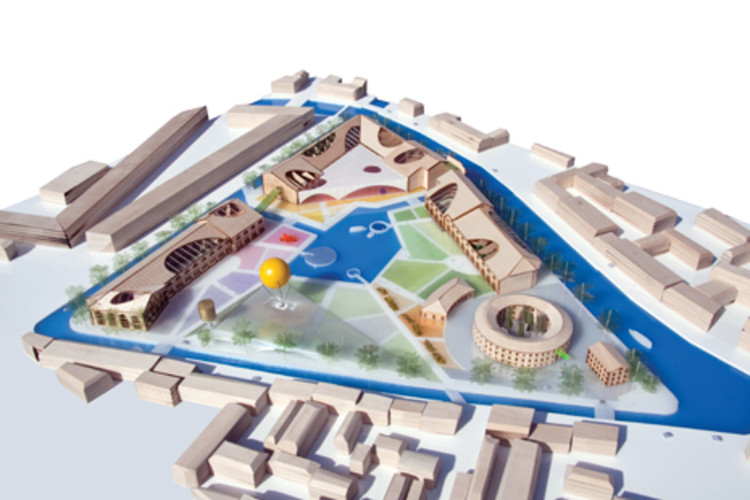
Within St. Petersburg lies a triangle shaped island that has been home to a naval prison, lumberyard, a radio station, and military barracks. Off limits to the public for 300 years New Holland Island, with its unique identity of canals and existing warehouse structures, will be part of a $12 billion dollar redevelopment project. Identifying the island as one of St. Petersburg’s most significant historical sites The Architecture Foundation held an international invitation-only competition New Ideas for New Holland, which included entires from David Chipperfield Architects, MVRDV, Russia’s Studio 44, and winning proposal from WORK Architecture Company (WORKac).
Amale Andraos and Dan Wood, principals of WORKac shared, “We are very excited at the opportunity to work with the Iris Foundation and NHD on this critically important project for one of the world’s most beautiful cities. Our master plan balances preservation with innovation, respecting St Petersburg’s past while paving the way for its continued artistic development and future.”
A few years ago we had a chance to visit WORKac at their studio in New York and spoke with principals Amale Andraos and Dan Wood (be sure to take a look at our interview with them!) More on this winning proposal by WORKac along with renderings and drawings following the break.







.jpg?1614564416&format=webp&width=640&height=580)