1. ArchDaily
  2. World Heritage

World Heritage: The Latest Architecture and News

Lebanon's World Heritage Sites Endangered Amid Ongoing War

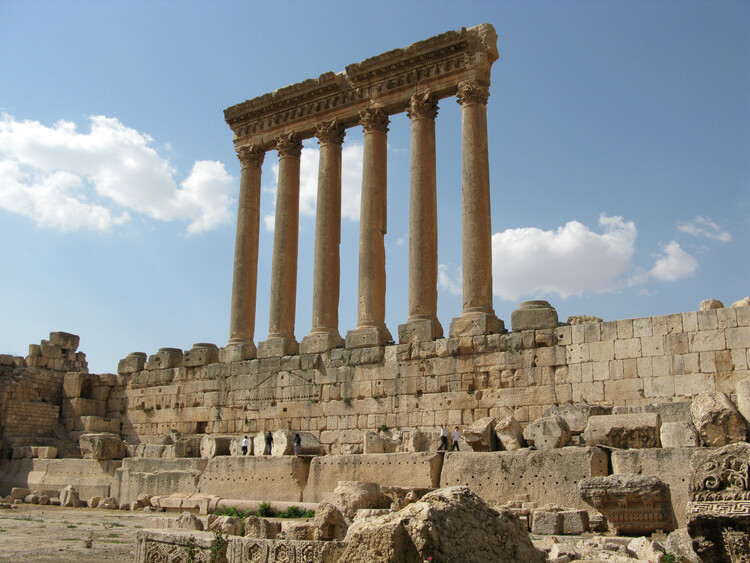
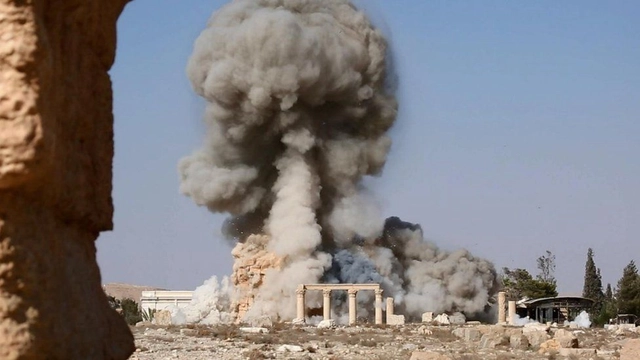
Following over two years of systematic destruction of life, habitat, and essential facilities in the Gaza Strip, a new front of war in Southwest Asia was announced on February 28th, 2026. Since then, US-Israeli military attacks have had a human and infrastructural impact on Lebanon, Syria, Iraq, and Jordan. In the months since, the attacks have only intensified, reaching the deepest ground advance into Lebanese territory in 26 years and leading to mass displacement in the southern part of the country. This latest stage of the conflict marks the sixth Israeli invasion of Lebanon since 1978, resuming a nearly 50-year history of Israeli military interventions in the country. While a ceasefire agreement was supposed to take effect on 27 November 2024 and expire on 2 March 2026, evidence of the destruction of towns and World Heritage Sites shows that it was never truly respected. UNESCO has consistently issued condemnations of "unlawful attacks against cultural property," the latest one responding to the "ongoing escalation of hostilities" on May 29th, 2026.
Lebanon's World Heritage Sites Endangered Amid Ongoing War - Image 1 of 4Lebanon's World Heritage Sites Endangered Amid Ongoing War - Image 2 of 4Lebanon's World Heritage Sites Endangered Amid Ongoing War - Image 3 of 4Lebanon's World Heritage Sites Endangered Amid Ongoing War - Image 4 of 4Lebanon's World Heritage Sites Endangered Amid Ongoing War - More Images+ 1

STARTT Designs New Access to the Archaeological Areas Behind the Pantheon in Rome

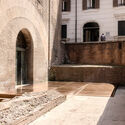
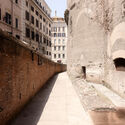
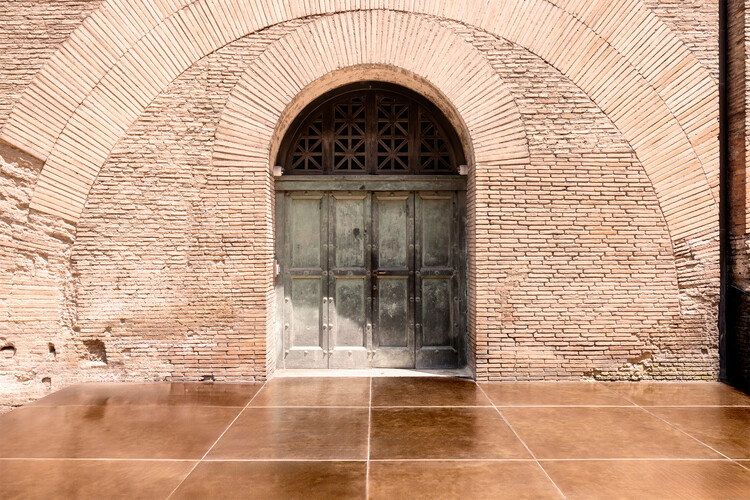
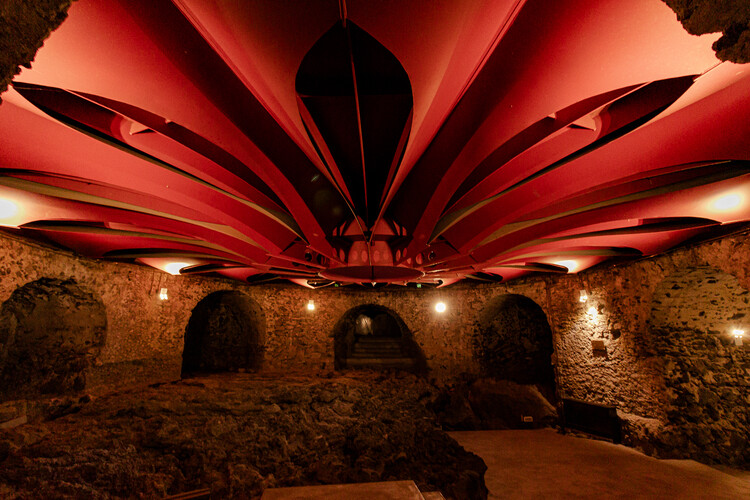
The Pantheon in Rome is globally known as a major tourist and architectural icon, a built testimony to both Greek culture and Roman technique, and a symbol of the Roman Empire. The monument was recently intervened upon by the Italian architecture studio STARTT (Studio of Architecture and Territorial Transformations). The project, titled Pantheon – Micro Architectures for Archaeology, was promoted by the Italian Ministry of Culture as part of a program of interventions initiated in 2019 to open public access to the archaeological areas of the Pantheon. STARTT's project represents the first phase of the program, focusing on opening a new entrance from the Pozzo del Diavolo, an area located behind the monument's Rotunda, allowing visitors to access parts of the building's archaeological fabric that were previously reserved for technical functions.
STARTT Designs New Access to the Archaeological Areas Behind the Pantheon in Rome - Image 1 of 4STARTT Designs New Access to the Archaeological Areas Behind the Pantheon in Rome - Image 2 of 4STARTT Designs New Access to the Archaeological Areas Behind the Pantheon in Rome - Image 3 of 4STARTT Designs New Access to the Archaeological Areas Behind the Pantheon in Rome - Image 4 of 4STARTT Designs New Access to the Archaeological Areas Behind the Pantheon in Rome - More Images+ 12

On International Mother Earth Day: Urban Rewilding, Aquatic Ecosystems, and Ancestral Practices for Biodiversity

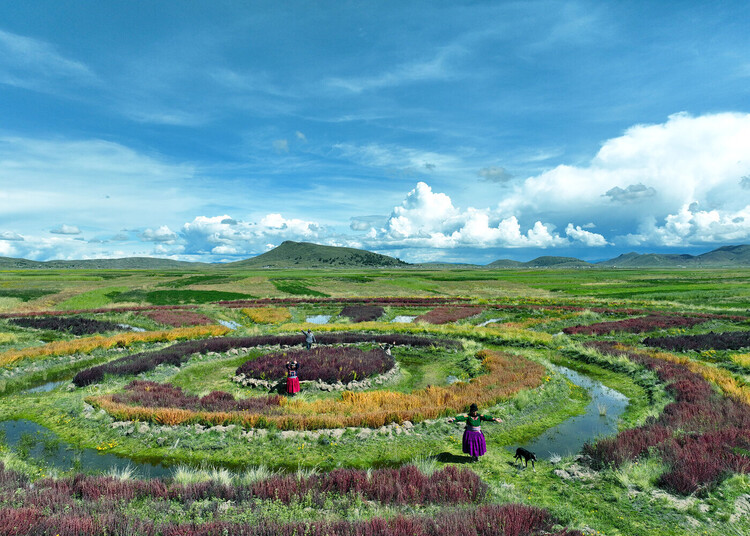
The United Nations' International Mother Earth Day, observed annually on April 22, aims to "promote harmony with nature and the Earth." In light of the urgency posed by climate change, it seeks to raise awareness of the challenges of preserving all forms of life supported by the planet. It is a call to the global community to safeguard biodiversity while striving to balance economic, social, and ecological systems. Crimes against biodiversity include large-scale practices such as deforestation, land-use change, intensified agriculture, livestock production, and illegal wildlife trade, all considered by the UN to be accelerating factors in the destruction of the planet.

On International Mother Earth Day: Urban Rewilding, Aquatic Ecosystems, and Ancestral Practices for Biodiversity - Image 1 of 4On International Mother Earth Day: Urban Rewilding, Aquatic Ecosystems, and Ancestral Practices for Biodiversity - Image 2 of 4On International Mother Earth Day: Urban Rewilding, Aquatic Ecosystems, and Ancestral Practices for Biodiversity - Image 3 of 4On International Mother Earth Day: Urban Rewilding, Aquatic Ecosystems, and Ancestral Practices for Biodiversity - Image 4 of 4On International Mother Earth Day: Urban Rewilding, Aquatic Ecosystems, and Ancestral Practices for Biodiversity - More Images+ 6

First Aid for Endangered Heritage: An Interview with Ambulance for Monuments

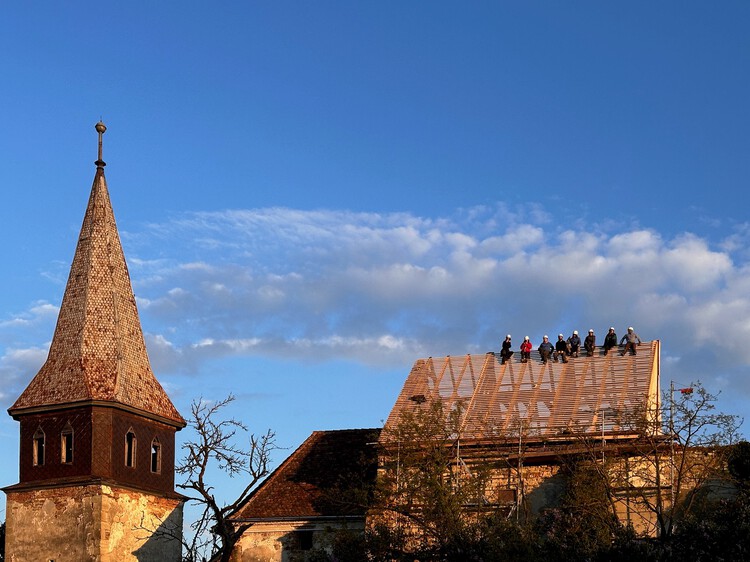
Ambulance for Monuments is a first-aid initiative dedicated to safeguarding Romania's endangered built heritage, operating in a race against time to prevent collapse and irreversible loss. The project responds to the growing vulnerability of historic structures, from Saxon fortified churches and manor houses to wooden churches and rural landmarks, many of which no longer benefit from the community networks that once sustained them. In a country deeply affected by emigration since 1990, where nearly half the population still lives in rural areas, entire villages have lost the people, skills, and everyday care that once kept these monuments standing.

Built around a mobile intervention unit, an "Ambulance" equipped with tools, scaffolding, and on-site equipment, the initiative delivers urgent stabilization works that buy time for endangered buildings. Rather than replacing full restoration, these strategic interventions preserve historic fabric, ensure structural safety, and keep long-term conservation and adaptive reuse possible. 

First Aid for Endangered Heritage: An Interview with Ambulance for Monuments - Image 1 of 4First Aid for Endangered Heritage: An Interview with Ambulance for Monuments - Image 2 of 4First Aid for Endangered Heritage: An Interview with Ambulance for Monuments - Image 3 of 4First Aid for Endangered Heritage: An Interview with Ambulance for Monuments - Image 4 of 4First Aid for Endangered Heritage: An Interview with Ambulance for Monuments - More Images+ 15

Who Decides What Is Worth Preserving? Power and Heritage in Latin America

When we enter a museum, walk through a historic center, or review a country’s list of protected heritage sites, we rarely think about the process behind those choices. Who decided, on behalf of all of us, that certain objects, places, and architectures deserved to be preserved and disseminated, while others were discarded?

In most cases, the power of decision lies with specialized professionals—historians, museologists, architects, geographers. But on what basis are these decisions made? Can the complexity of history be reduced to a checklist? Or, more fundamentally, which version of history underlies these choices?

Who Decides What Is Worth Preserving? Power and Heritage in Latin America - Image 1 of 4Who Decides What Is Worth Preserving? Power and Heritage in Latin America - Image 2 of 4Who Decides What Is Worth Preserving? Power and Heritage in Latin America - Image 3 of 4Who Decides What Is Worth Preserving? Power and Heritage in Latin America - Image 4 of 4Who Decides What Is Worth Preserving? Power and Heritage in Latin America - More Images+ 13

Beyond the Walls: 21 Contemporary Interventions in Castles and Fortresses

Subscriber Access | 

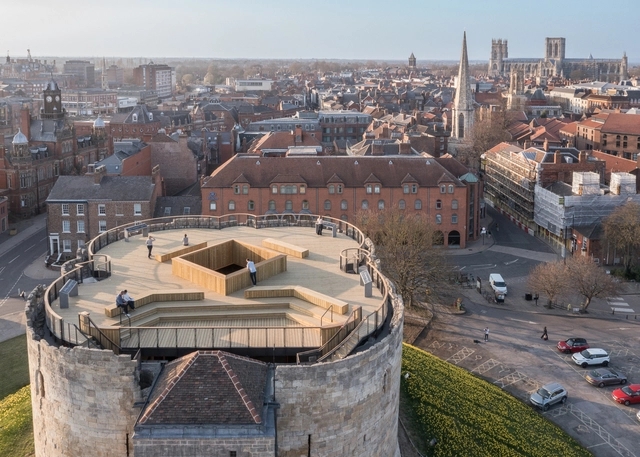
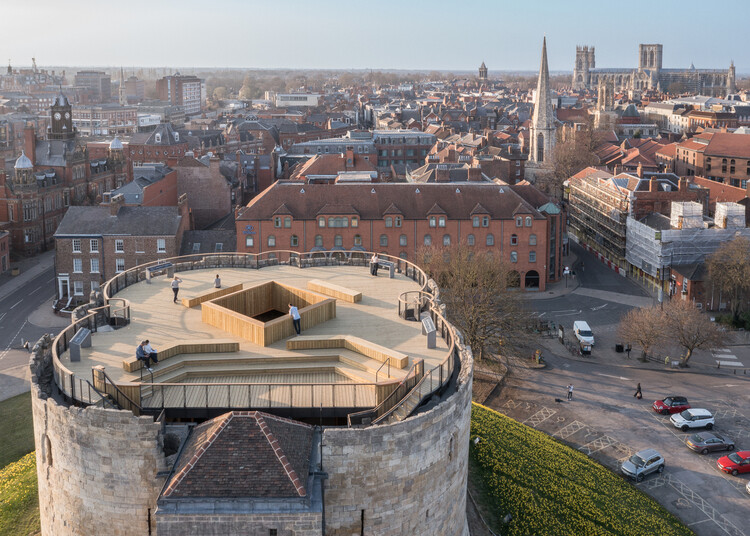
Castles and fortresses often rise from strategic, commanding positions when standing alone or integrated into urban and rural landscapes. From above, they overlook the city, bearing in their imposing structures the weight of history. With their original functions now limited to contemplation, these spaces have been undergoing revaluation and reintegration into everyday urban life. Once symbols of military or political power, they are now taking on new roles through contemporary interventions that engage with their heritage without erasing their past.

Beyond the Walls: 21 Contemporary Interventions in Castles and Fortresses - Image 1 of 4Beyond the Walls: 21 Contemporary Interventions in Castles and Fortresses - Image 2 of 4Beyond the Walls: 21 Contemporary Interventions in Castles and Fortresses - Image 3 of 4Beyond the Walls: 21 Contemporary Interventions in Castles and Fortresses - Image 4 of 4Beyond the Walls: 21 Contemporary Interventions in Castles and Fortresses - More Images+ 25

UNESCO Adds 26 New World Heritage Sites Highlighting African Heritage and Shared Prehistory

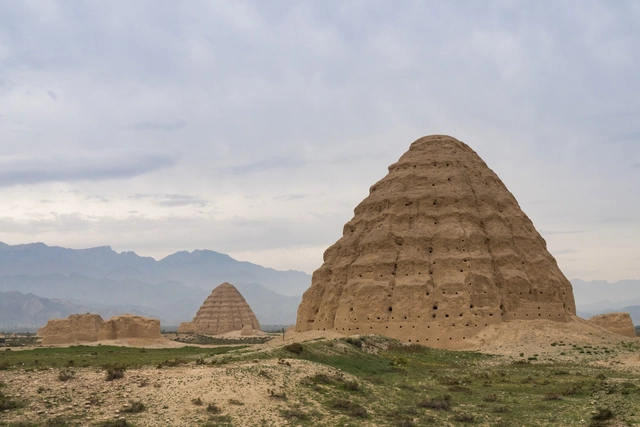
During the 47th session of the World Heritage Committee, held from July 6 to 16, 2025, at UNESCO Headquarters in Paris, France, 26 new properties were inscribed on the World Heritage List. In addition to examining new nominations, the Committee reviewed the conservation and management of existing sites, addressed the impact of climate change on heritage, and approved the extension of two existing sites to create new transboundary natural parks. According to UNESCO, the session placed the work of local communities at the center of safeguarding policies, reinforced efforts to preserve African heritage, and acknowledged the growing recognition of remembrance sites and the protection of humanity's shared prehistory. These 26 properties, located across 26 countries, now benefit from the highest level of international heritage protection.

UNESCO Adds 26 New World Heritage Sites Highlighting African Heritage and Shared Prehistory - Featured ImageUNESCO Adds 26 New World Heritage Sites Highlighting African Heritage and Shared Prehistory - Image 1 of 4UNESCO Adds 26 New World Heritage Sites Highlighting African Heritage and Shared Prehistory - Image 2 of 4UNESCO Adds 26 New World Heritage Sites Highlighting African Heritage and Shared Prehistory - Image 3 of 4UNESCO Adds 26 New World Heritage Sites Highlighting African Heritage and Shared Prehistory - More Images+ 1

An Epic of Fire and Stone: The Story Behind the Intervention at the Benedictine Monastery of Catania, Sicily

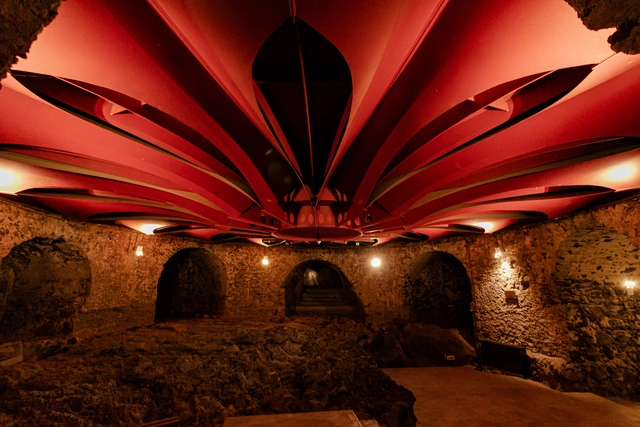
The Benedictine Monastery of San Nicolò l’Arena in Catania, Sicily, holds within its stones the echoes of five centuries, shaped by time, varied uses, violent earthquakes, and the blazing force of Mount Etna. Its walls, silent witnesses to history, were molded both by the fire of nature and by human hands. Yet among all the transformations it underwent, none was as profound or poetic as the one led by Italian architect Giancarlo De Carlo, starting in 1980. After 30 years of dedicated work, time required to truly understand such a complex and awe-inspiring site, the former monastic residence was reborn as a university, not by force, but through revelation.

An Epic of Fire and Stone: The Story Behind the Intervention at the Benedictine Monastery of Catania, Sicily - Image 1 of 4An Epic of Fire and Stone: The Story Behind the Intervention at the Benedictine Monastery of Catania, Sicily - Image 2 of 4An Epic of Fire and Stone: The Story Behind the Intervention at the Benedictine Monastery of Catania, Sicily - Image 3 of 4An Epic of Fire and Stone: The Story Behind the Intervention at the Benedictine Monastery of Catania, Sicily - Image 4 of 4An Epic of Fire and Stone: The Story Behind the Intervention at the Benedictine Monastery of Catania, Sicily - More Images+ 22

One Hundred Days of War in Ukraine: UNSECO Verifies Damage to 139 Sites

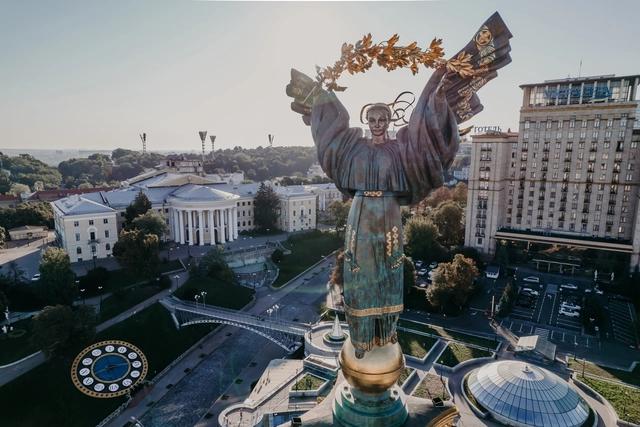
Friday, June 3, marks 100 days of war in Ukraine. One of the many devastating effects has been de destruction of urban and rural environments. Ukraine’s cultural and architectural heritage is under threat. As of 30 May, UNESCO has verified damage to 139 sites affected by the ongoing hostilities. The list includes 62 religious sites, 12 museums, 26 historic buildings, 17 buildings dedicated to cultural activities, 15 museums, and seven libraries. According to UNESCO, the most affected buildings included in the list are in Kyiv. Still, damages are also found in the regions of Chernihiv, Kharkiv, Zaporizhzhya, Zhytomyr, Donetsk, Lugansk, and Sumy. This represents a preliminary damage assessment for cultural properties done by cross-checking the reported incidents with multiple credible sources. The published data will be regularly updated.

One Hundred Days of War in Ukraine: UNSECO Verifies Damage to 139 Sites - Image 1 of 4One Hundred Days of War in Ukraine: UNSECO Verifies Damage to 139 Sites - Image 2 of 4One Hundred Days of War in Ukraine: UNSECO Verifies Damage to 139 Sites - Image 3 of 4One Hundred Days of War in Ukraine: UNSECO Verifies Damage to 139 Sites - Image 4 of 4One Hundred Days of War in Ukraine: UNSECO Verifies Damage to 139 Sites - More Images

The Ultimate List of Sites Declared World Heritage in Mexico

Subscriber Access | 

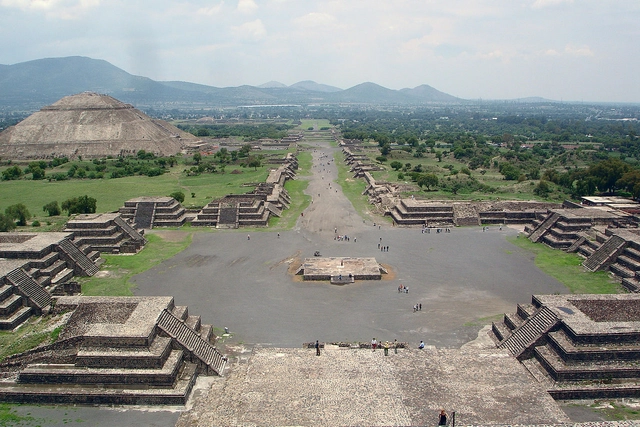
The Ultimate List of Sites Declared World Heritage in Mexico - Image 1 of 4The Ultimate List of Sites Declared World Heritage in Mexico - Image 2 of 4The Ultimate List of Sites Declared World Heritage in Mexico - Image 3 of 4The Ultimate List of Sites Declared World Heritage in Mexico - Image 4 of 4The Ultimate List of Sites Declared World Heritage in Mexico - More Images+ 32

According to a statement published on the UNESCO page, the UNESCO World Heritage List is a legacy of monuments and sites of great natural and cultural wealth that belongs to all of humanity. The Sites inscribed on the World Heritage List fulfill a function of milestones on the planet, of symbols of the awareness of States and peoples about the meaning of those places and emblems of their attachment to collective property, as well as of the transmission of that heritage to future generations.

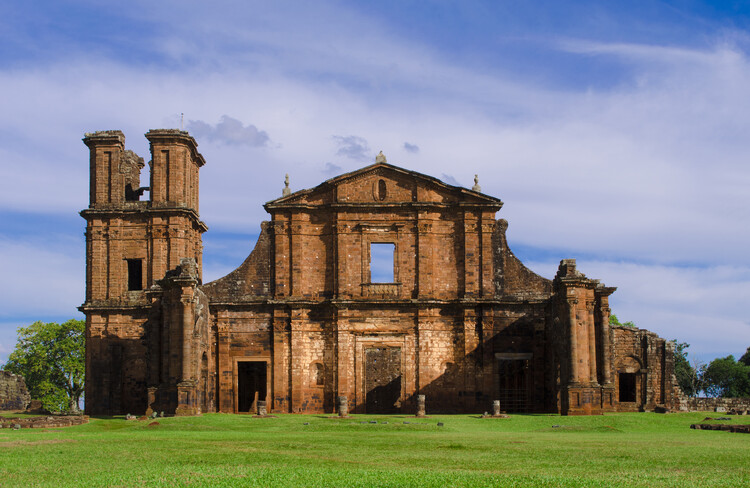
11 Brazilian UNESCO World Heritage Sites That Every Architect Must Visit

Subscriber Access | 

On August 17th, Brazil celebrated its National Heritage Day. Created in 1998 to honor the historian and first president of IPHAN (National Historic and Artistic Heritage Institute), Rodrigo Melo Franco de Andrade, who would have turned 100 years old. This date aims to reinforce the recognition and appreciation of the country’s cultural heritage.

Catalan Church Restored Using Ingenious Tensioning System

Subscriber Access | 

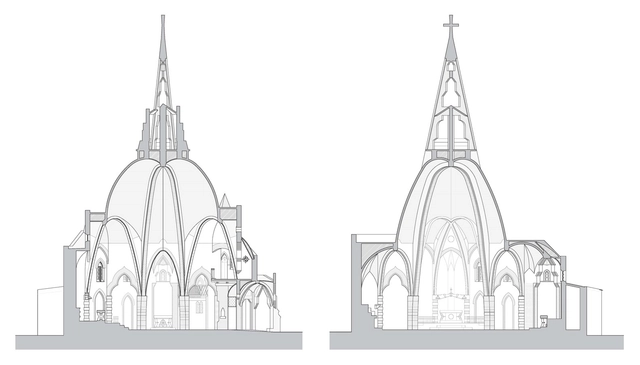
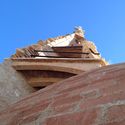
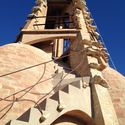
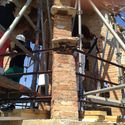
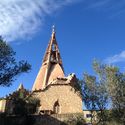
The object of this architectural restoration is the Church of the Sacred Heart of Jesus, in Vistabella, the work of Catalan architect Josep Maria Jujol (16 September 1879 – 1 May 1949). The original design dates from 1917 with the construction completed in 1923. The building is a magnificent and personal work of Catalan architecture.

The simplicity of the materials used—basically brick, mortar, and stone—contrasts with the spectacular formal richness of the structural solutions: columns, arches, and vaults that generate a complex, rich, and surreal interior space typical of the mysticism of Jujol.

Catalan Church Restored Using Ingenious Tensioning System - Image 1 of 4Catalan Church Restored Using Ingenious Tensioning System - Image 2 of 4Catalan Church Restored Using Ingenious Tensioning System - Image 3 of 4Catalan Church Restored Using Ingenious Tensioning System - Image 4 of 4Catalan Church Restored Using Ingenious Tensioning System - More Images+ 18

Before/After: 20 Images of Buenos Aires' Changing Cityscapes

Subscriber Access | 

Buenos Aires' contemporary urban landscape as we know it today provides a tempered mix of historical and recent construction projects. As one of the most beautiful cities in South America, it's wide boulevards and grand buildings, based on European models, have morphed to embrace the needs of a modern metropolis.

These images show just how profoundly time affects our cities (and how centuries-old foliage can powerfully transform spatial perception).

Browse the 20 interactive images of Buenos Aires before and after.

People, Places and Abandoned Buildings in the Province of Buenos Aires, by Juan Viel

Subscriber Access | 

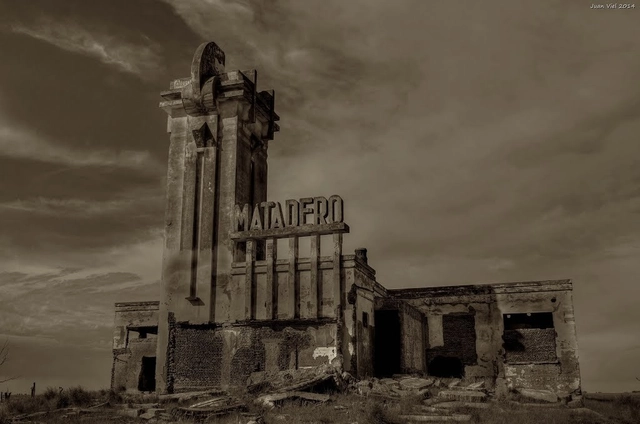
Small stories and architectonic practices that existed in each character filled village and provinces in Buenos Aires are here rescued by Juan Viel when he captures their atmospheres and particularities through his camera.

The variety of images and their subjects invite us to reflect on the substance and architectural heritage in these small Argentinian towns, and to think about the places where we live.

People, Places and Abandoned Buildings in the Province of Buenos Aires, by Juan Viel - Image 1 of 4People, Places and Abandoned Buildings in the Province of Buenos Aires, by Juan Viel - Image 2 of 4People, Places and Abandoned Buildings in the Province of Buenos Aires, by Juan Viel - Image 3 of 4People, Places and Abandoned Buildings in the Province of Buenos Aires, by Juan Viel - Image 4 of 4People, Places and Abandoned Buildings in the Province of Buenos Aires, by Juan Viel - More Images+ 29

5 Emblematic Buildings by Giuseppe Terragni

Subscriber Access | 

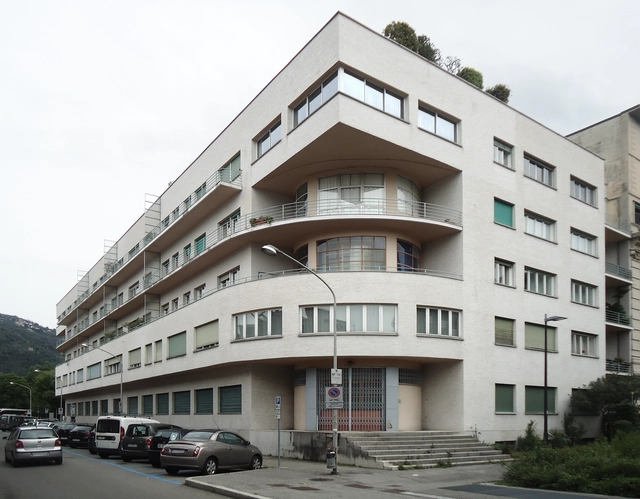
With a short career of only thirteen years, Italian architect Giuseppe Terragni (1904-1943) left an important legacy of built works that are now used as classic references of modern and rationalist architecture.

We traveled to Como and Milan to visit Terragni's emblematic works that clearly reflect his style. These projects are based on the organized configuration of architectural elements that individually appear clean, pure, and expressive, but together also form a harmonious whole.

These are: Novocomum, Casa Rustici, Asilo Sant'Elia, Casa Giuliani Frigerio and Casa Lavezzari. 

5 Emblematic Buildings by Giuseppe Terragni - Image 21 of 45 Emblematic Buildings by Giuseppe Terragni - Image 9 of 45 Emblematic Buildings by Giuseppe Terragni - Image 47 of 45 Emblematic Buildings by Giuseppe Terragni - Image 53 of 45 Emblematic Buildings by Giuseppe Terragni - More Images+ 53

See the 17 Le Corbusier Projects Named as UNESCO World Heritage Sites

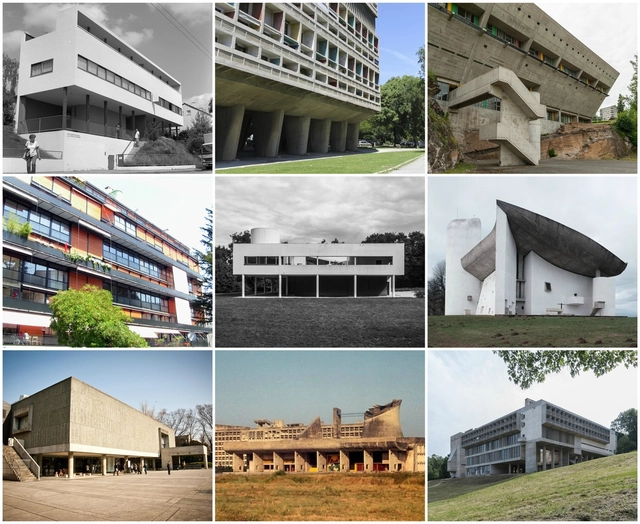
The UN Education, Scientific and Cultural Organization (commonly referred to as UNESCO) has named 17 projects in 7 countries by revolutionary Modernist architect Le Corbusier to their list of World Heritage Sites. Given to places of special cultural or physical significance, the designation will help to protect and preserve the buildings for future generations. Citing Le Corbusier’s inventive architectural language, UNESCO praised the collection of projects for “[reflecting] the solutions that the Modern Movement sought to apply during the 20th century to the challenges of inventing new architectural techniques to respond to the needs of society.”

“The inscription on the World Heritage List of 17 buildings of sites by Le Corbusier represents a strong encouragement to continue all along Le Corbusier's built work to maintain this living heritage and to hand it down to future generations,” said Fondation Le Corbusier President Antoine Picon in a statement. “It also contributes to the understanding of that complex and fragile legacy and helps its dissemination to the widest audience.”

Continue after the break for the full list of projects and images.

Cádiz Castle Restoration: Interesting Interpretation or Harmful to Heritage?

Subscriber Access | 

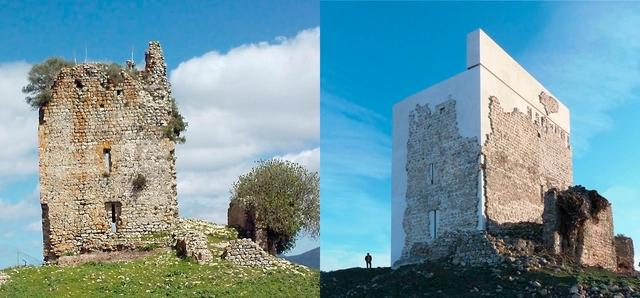
In 2011, after the partial collapse of the Matrera Castle in Cádiz, Spain (dating back to the 9th century) the city decided to restore the remaining tower, with the aim of preventing its collapse and protecting the few elements that were still standing.

The challenge fell into the hands of Spanish architect Carlos Quevedo Rojas, whose design received the approval of the Regional Government of Andalucía, in compliance with the Historical Heritage law 13/2007, which prohibits mimetic reconstructions and requires the use of materials that are distinct from the originals.

In the words of the architect: “This intervention sought to achieve three basic objectives: to structurally consolidate the elements that were at risk; to differentiate the additions from the original structure (avoiding the mimetic reconstructions that our law prohibits) and to recover the volume, texture and tonality that the tower originally had. The essence of the project is not intended to be, therefore, an image of the future, but rather a reflection of its own past, its own origin.”

The polemical restoration has provoked a broad international discussion about heritage restoration, and the Izquierda Unida group has said it will bring the case to the Andalusian Parliament’s Culture committee to see if the restoration was the result expected by the Ministry of Culture. On the other hand, while the building had previously received only sporadic visits, it has now become a new tourist attraction in the area.

Why has a restoration based on the anastylosis technique – which exists around the world – caused so much controversy? It is it really a “heritage massacre” as the media has said? Do you think it could have been carried out in a better way?

Join the debate and leave your comments after the break.

UNESCO and Italy Form Task Force to Protect Cultural Heritage in Conflict Areas

Italy and UNESCO have signed an agreement to create a special Italian task force to protect art, cultural sites, and ancient artifacts that are located in areas of war or conflict around the world. They will also form a center in Turin to train cultural heritage experts. The agreement arose from a proposal presented by Italy last October that was backed by 53 countries and the UN Security Council.

Conceived as the cultural version of the Blue Helmets -- the UN’s peacekeeping forces -- the group will initially be composed of 30 police detectives specializing in art theft, and 30 archeologists and art restorers and historians, who “are already operational and ready to go where UNESCO sends them,” said Dario Franceschini, the Italian Minister of Culture, during the ceremony to sign the agreement.