1. ArchDaily
  2. ArchDaily International Days

ArchDaily International Days: The Latest Architecture and News

World Environment Day 2026 Coincides with Record Heatwaves, Renewing Focus on Climate Adaptation in Cities

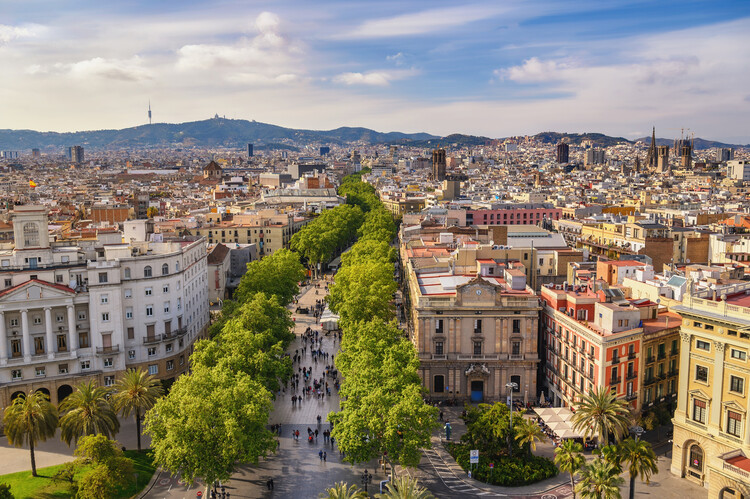
As Europe experiences one of its earliest and most intense heatwaves in recent years, World Environment Day 2026 arrives amid renewed discussions about climate adaptation, urban resilience, and the capacity of cities to respond to increasingly extreme temperatures. Across Portugal, France, Italy, Spain, Germany, Switzerland, Ireland, and the United Kingdom, temperatures have surged well above seasonal averages, prompting heat alerts, school closures, emergency planning measures, and growing concerns about the performance of buildings and public infrastructure under prolonged heat stress. The convergence of these highlights a reality that is becoming increasingly worldwide: climate change is no longer solely an environmental concern but an issue that is fundamentally reshaping the spaces where people live, work, and gather.


World Environment Day 2026 Coincides with Record Heatwaves, Renewing Focus on Climate Adaptation in Cities - Image 1 of 4World Environment Day 2026 Coincides with Record Heatwaves, Renewing Focus on Climate Adaptation in Cities - Image 2 of 4World Environment Day 2026 Coincides with Record Heatwaves, Renewing Focus on Climate Adaptation in Cities - Image 3 of 4World Environment Day 2026 Coincides with Record Heatwaves, Renewing Focus on Climate Adaptation in Cities - Image 4 of 4World Environment Day 2026 Coincides with Record Heatwaves, Renewing Focus on Climate Adaptation in Cities - More Images+ 3

On Africa Day 2026: Revisiting Architecture’s Role in Identity and Collective Memory

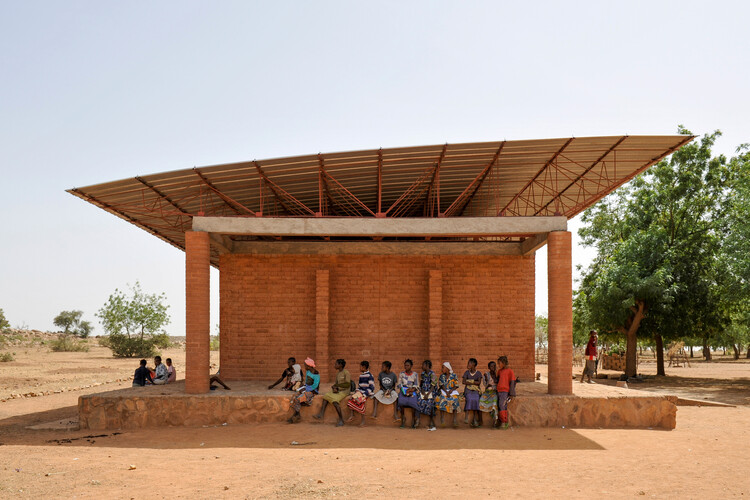
Observed annually on May 25, Africa Day commemorates the founding of the Organization of African Unity in 1963, now the African Union. Established during a period marked by independence movements across the continent, the day recognizes not only political solidarity but also the cultural, social, and intellectual histories that continue to shape African societies today. Within architecture and urbanism, these histories are reflected in evolving conversations around nation-building, heritage preservation, climate-responsive design, material innovation, and community-centered practice.

On Africa Day 2026: Revisiting Architecture’s Role in Identity and Collective Memory - Image 1 of 4On Africa Day 2026: Revisiting Architecture’s Role in Identity and Collective Memory - Image 2 of 4On Africa Day 2026: Revisiting Architecture’s Role in Identity and Collective Memory - Image 3 of 4On Africa Day 2026: Revisiting Architecture’s Role in Identity and Collective Memory - Image 4 of 4On Africa Day 2026: Revisiting Architecture’s Role in Identity and Collective Memory - More Images+ 6

On International Mother Earth Day: Urban Rewilding, Aquatic Ecosystems, and Ancestral Practices for Biodiversity

The United Nations' International Mother Earth Day, observed annually on April 22, aims to "promote harmony with nature and the Earth." In light of the urgency posed by climate change, it seeks to raise awareness of the challenges of preserving all forms of life supported by the planet. It is a call to the global community to safeguard biodiversity while striving to balance economic, social, and ecological systems. Crimes against biodiversity include large-scale practices such as deforestation, land-use change, intensified agriculture, livestock production, and illegal wildlife trade, all considered by the UN to be accelerating factors in the destruction of the planet.

On International Mother Earth Day: Urban Rewilding, Aquatic Ecosystems, and Ancestral Practices for Biodiversity - Image 1 of 4On International Mother Earth Day: Urban Rewilding, Aquatic Ecosystems, and Ancestral Practices for Biodiversity - Image 2 of 4On International Mother Earth Day: Urban Rewilding, Aquatic Ecosystems, and Ancestral Practices for Biodiversity - Image 3 of 4On International Mother Earth Day: Urban Rewilding, Aquatic Ecosystems, and Ancestral Practices for Biodiversity - Image 4 of 4On International Mother Earth Day: Urban Rewilding, Aquatic Ecosystems, and Ancestral Practices for Biodiversity - More Images+ 6

On World Health Day: How Architecture Shapes Well-Being in Everyday Spaces

Observed annually on April 7, World Health Organization's World Health Day draws attention to global health priorities while situating them within broader environmental and societal contexts. Established following the first World Health Assembly in 1948 and observed since 1950, the day has evolved into a platform for addressing the shifting conditions that shape health, from local systems of care to planetary-scale challenges. The 2026 edition, held under the theme "Together for health. Stand with science," calls for renewed engagement with scientific knowledge as a basis for collective action. The year-long campaign emphasizes collaboration in protecting the health of people, animals, plants, and the planet, foregrounding the One Health approach as a framework for understanding their interdependence.

On World Health Day: How Architecture Shapes Well-Being in Everyday Spaces - Image 1 of 4On World Health Day: How Architecture Shapes Well-Being in Everyday Spaces - Image 2 of 4On World Health Day: How Architecture Shapes Well-Being in Everyday Spaces - Image 3 of 4On World Health Day: How Architecture Shapes Well-Being in Everyday Spaces - Image 4 of 4On World Health Day: How Architecture Shapes Well-Being in Everyday Spaces - More Images+ 9

Women in Architecture: Progress, Gaps, and the Work Still Ahead

Each year, International Women's Day brings renewed attention to questions of gender within many professional fields, architecture among them. Public conversations often center on celebrating prominent figures or highlighting notable projects, moments that briefly illuminate the contributions of women within the discipline. Yet the visibility produced by these occasions sits within a longer and more complex trajectory. Over the past several decades, the architectural profession has undergone gradual shifts that have expanded opportunities and broadened participation, even as longstanding structures continue to shape how careers develop and how architectural work becomes visible.

Women in Architecture: Progress, Gaps, and the Work Still Ahead - Image 1 of 4Women in Architecture: Progress, Gaps, and the Work Still Ahead - Image 2 of 4Women in Architecture: Progress, Gaps, and the Work Still Ahead - Image 3 of 4Women in Architecture: Progress, Gaps, and the Work Still Ahead - Image 4 of 4Women in Architecture: Progress, Gaps, and the Work Still Ahead - More Images+ 13

On World Hearing Day 2026: From Communities to Classrooms, Designing for Inclusion

Every year on March 3, World Hearing Day highlights the importance of preventing hearing loss and ensuring equitable access to ear and hearing care worldwide. Led by the World Health Organization, the 2026 theme, "From communities to classrooms: hearing care for all children," emphasizes early identification, inclusive education, and supportive environments as fundamental components of children's development. As global estimates continue to indicate a rising number of children experiencing preventable or untreated hearing conditions, the conversation increasingly expands beyond healthcare systems and into the spaces where daily life unfolds.

On World Hearing Day 2026: From Communities to Classrooms, Designing for Inclusion - Image 1 of 4On World Hearing Day 2026: From Communities to Classrooms, Designing for Inclusion - Image 2 of 4On World Hearing Day 2026: From Communities to Classrooms, Designing for Inclusion - Image 3 of 4On World Hearing Day 2026: From Communities to Classrooms, Designing for Inclusion - Image 4 of 4On World Hearing Day 2026: From Communities to Classrooms, Designing for Inclusion - More Images+ 5

World Day of Social Justice 2026: Labor Rights, Spatial Equity, and Resource Governance

Today, 20 February, the United Nations marks World Day of Social Justice under the theme "Renewed Commitment to Social Development and Social Justice." This year's observance takes place in the aftermath of the Second World Summit for Social Development in Doha and the adoption of the Doha Political Declaration, renewing the commitments first articulated in the 1995 Copenhagen Declaration: poverty eradication, full and productive employment, decent work for all, and social inclusion as interdependent pillars of development. At a moment defined by widening inequalities and accelerating environmental and technological transitions, the 2026 commemoration calls for translating political affirmation into measurable, cross-sectoral implementation.

World Day of Social Justice 2026: Labor Rights, Spatial Equity, and Resource Governance - Image 1 of 4World Day of Social Justice 2026: Labor Rights, Spatial Equity, and Resource Governance - Image 2 of 4World Day of Social Justice 2026: Labor Rights, Spatial Equity, and Resource Governance - Image 3 of 4World Day of Social Justice 2026: Labor Rights, Spatial Equity, and Resource Governance - Image 4 of 4World Day of Social Justice 2026: Labor Rights, Spatial Equity, and Resource Governance - More Images+ 13

World Wetlands Day 2026: Integrating Traditional Knowledge for Climate Resilience

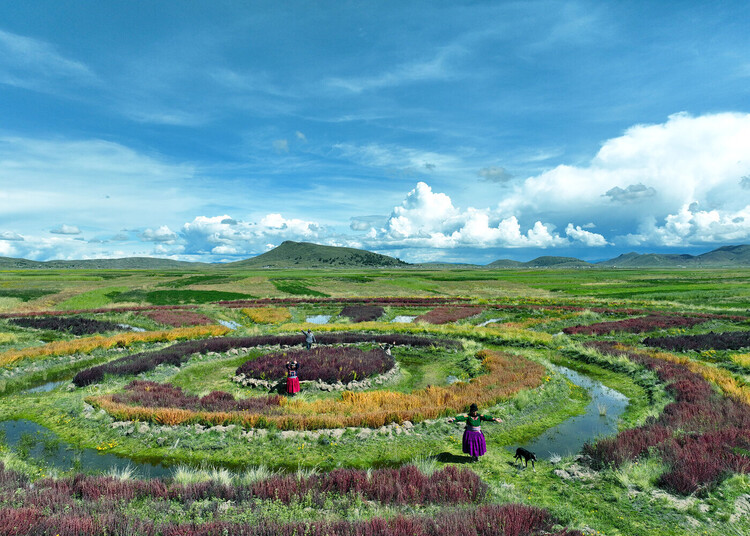
Observed annually on February 2, World Wetlands Day marks the adoption of the Ramsar Convention in 1971 and provides an international framework for recognizing the role of wetlands in environmental protection and sustainable development. The 2026 edition is held under the theme "Wetlands and traditional knowledge: Celebrating cultural heritage," drawing attention to the long-standing relationships between wetland ecosystems and the cultural practices, knowledge systems, and governance structures developed by communities over centuries. The theme highlights how inherited ecological knowledge, often embedded in rituals, seasonal calendars, land-use practices, and spatial organization, has shaped resilient interactions between human settlements and water-based landscapes.

World Wetlands Day 2026: Integrating Traditional Knowledge for Climate Resilience - Image 1 of 4World Wetlands Day 2026: Integrating Traditional Knowledge for Climate Resilience - Image 2 of 4World Wetlands Day 2026: Integrating Traditional Knowledge for Climate Resilience - Image 3 of 4World Wetlands Day 2026: Integrating Traditional Knowledge for Climate Resilience - Image 4 of 4World Wetlands Day 2026: Integrating Traditional Knowledge for Climate Resilience - More Images+ 5

On the International Day for Clean Energy: How Local Initiatives Respond to the Spatial Impacts of Energy Production

January 26 marks the International Day for Clean Energy, an initiative aimed at raising awareness and mobilizing action for an inclusive transition from fossil fuels, such as coal, oil, and natural gas, to power generation systems with lower greenhouse gas emissions and fewer pollutants. The term "clean" signals a fundamental shift away from extractive, finite, and exhaustible energy sources toward systems based on renewable resources or on capturing energy embedded in natural processes. In a world grappling with climate change, clean energy plays an important role in reducing emissions and expanding access to reliable power. However, being labeled "clean" does not exempt these systems from the impacts associated with their production, deployment, and commercialization. In this context, architectural knowledge related to space, materiality, and habitation becomes relevant for supporting a transition toward energy systems that are sustainable over time. As stated by the United Nations, the science is clear: to limit climate change, reliance on fossil fuels must end, and buildings must be heated, lit, and electrified through clean, accessible, affordable, sustainable, and reliable power sources.

On the International Day for Clean Energy: How Local Initiatives Respond to the Spatial Impacts of Energy Production - Image 1 of 4On the International Day for Clean Energy: How Local Initiatives Respond to the Spatial Impacts of Energy Production - Image 2 of 4On the International Day for Clean Energy: How Local Initiatives Respond to the Spatial Impacts of Energy Production - Image 3 of 4On the International Day for Clean Energy: How Local Initiatives Respond to the Spatial Impacts of Energy Production - Image 4 of 4On the International Day for Clean Energy: How Local Initiatives Respond to the Spatial Impacts of Energy Production - More Images+ 7

Reflecting on the International Day of Education: From Playful Environments to Youth Agency in Architecture

Education has long been understood as a cornerstone of social development, shaping not only individual futures but also the collective capacity of societies to respond to change. Observed annually on 24 January, the International Day of Education invites reflection on the role education plays in addressing global challenges and sustaining social progress. As the world confronts overlapping challenges, from technological transformation to deepening inequalities, the question of how education is imagined, governed, and experienced has become increasingly urgent.

Reflecting on the International Day of Education: From Playful Environments to Youth Agency in Architecture - Image 1 of 4Reflecting on the International Day of Education: From Playful Environments to Youth Agency in Architecture - Image 2 of 4Reflecting on the International Day of Education: From Playful Environments to Youth Agency in Architecture - Image 3 of 4Reflecting on the International Day of Education: From Playful Environments to Youth Agency in Architecture - Image 4 of 4Reflecting on the International Day of Education: From Playful Environments to Youth Agency in Architecture - More Images+ 12

On International Migrants Day: A Look at Architectural Responses to Displacement

December 18 marks the United Nations' International Migrants Day, which aims to highlight the need for safer, fairer, and more inclusive migration systems. Proclaimed on December 4, 2000, the day seeks to recognize the multiple dimensions of migration beyond its economic and humanitarian aspects. According to the UN, mounting evidence indicates that international migration is beneficial for both countries of origin and destination. In this sense, International Migrants Day offers an opportunity to spotlight the value of the possibility to migrate and the contributions of millions of migrants worldwide to the cities and cultures in which they are integrated.

Aligned with this perspective, the UN's 2025 theme, "My Great Story: Cultures and Development," emphasizes how human mobility drives growth, enriches societies, and helps communities connect, adapt, and support one another. At the same time, International Migrants Day also acknowledges the increasingly complex environment in which migration occurs. Conflicts, climate-related disasters, and economic pressures continue to force millions of people from their homes in search of safety or opportunity. From both perspectives, it is essential to recognize the role of architecture in building integrated, multicultural communities and in responding to the conditions that lead people to migrate from their territories in the first place.

On International Migrants Day: A Look at Architectural Responses to Displacement - Image 1 of 4On International Migrants Day: A Look at Architectural Responses to Displacement - Image 2 of 4On International Migrants Day: A Look at Architectural Responses to Displacement - Image 3 of 4On International Migrants Day: A Look at Architectural Responses to Displacement - Image 4 of 4On International Migrants Day: A Look at Architectural Responses to Displacement - More Images+ 6

On Human Rights Day: Perspectives on Architecture, Equity, Housing Access, and Safety Worldwide

Human Rights Day is observed annually on 10 December worldwide. It commemorates the anniversary of the Universal Declaration of Human Rights in 1948. Drafted by representatives with diverse legal and cultural backgrounds from all regions, the Declaration was proclaimed as a common standard of achievement for all peoples and all nations. For the first time, the document set out fundamental human rights to be universally protected and inalienable, entitling every human being to them regardless of race, colour, religion, sex, language, political or other opinion, national or social origin, property, birth, or any other status. Today, the Declaration serves as a global blueprint for international, national, and local laws and policies. Available in 577 languages, it is the most translated document in the world. The United Nations has set the theme for this year's observance as "Human Rights, Our Everyday Essentials," aiming to "reaffirm the values of human rights and show that they remain a winning proposition for humanity."

On Human Rights Day: Perspectives on Architecture, Equity, Housing Access, and Safety Worldwide - Image 1 of 4On Human Rights Day: Perspectives on Architecture, Equity, Housing Access, and Safety Worldwide - Image 2 of 4On Human Rights Day: Perspectives on Architecture, Equity, Housing Access, and Safety Worldwide - Image 3 of 4On Human Rights Day: Perspectives on Architecture, Equity, Housing Access, and Safety Worldwide - Image 4 of 4On Human Rights Day: Perspectives on Architecture, Equity, Housing Access, and Safety Worldwide - More Images+ 12

New National Museum in Abu Dhabi and The Nomadic Library: This Week’s Review

As cultural institutions advanced major preservation projects and new demographic data reframed understandings of urban growth, this week's architectural discussions centred on how cities and museums adapt to evolving social, environmental, and infrastructural conditions. Efforts to safeguard modern heritage, developments in long-term urban planning, and reflections on architectural legacy intersect with global observances such as the International Day of Persons with Disabilities, highlighting the ongoing need for more inclusive and accessible environments within the built landscape.

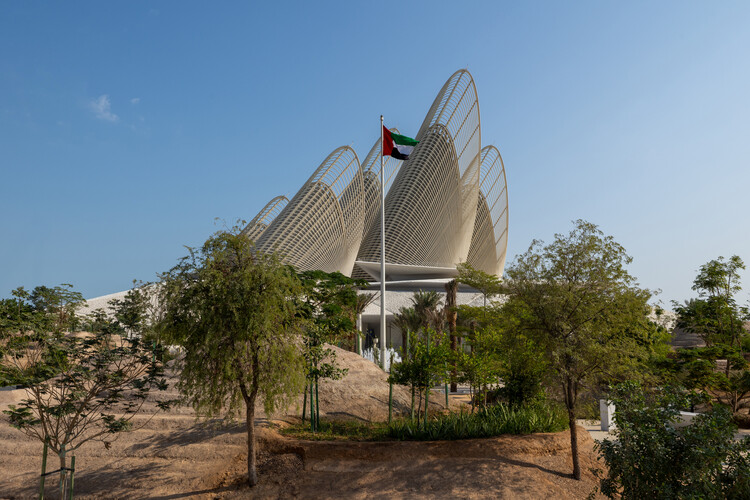
New National Museum in Abu Dhabi and The Nomadic Library: This Week’s Review - Image 1 of 4New National Museum in Abu Dhabi and The Nomadic Library: This Week’s Review - Image 2 of 4New National Museum in Abu Dhabi and The Nomadic Library: This Week’s Review - Image 3 of 4New National Museum in Abu Dhabi and The Nomadic Library: This Week’s Review - Image 4 of 4New National Museum in Abu Dhabi and The Nomadic Library: This Week’s Review - More Images+ 4

World Architecture Day 2025: How We Design for Strength in an Age of Crisis

Today, on the first Monday of October, we celebrate World Architecture Day. This year, the International Union of Architects (UIA) has set the theme "Design for Strength," a powerful call to action that resonates deeply with the UN's focus on urban crisis response. In a world facing unprecedented environmental and social disruptions, this theme challenges us to move beyond temporary fixes. It asks: How can our buildings and cities not only withstand shocks but also foster equity, continuity, and resilience?

While the concept of strength in architecture can easily evoke images of reinforced concrete and steel, a more profound interpretation is emerging, one that defines strength not as mere rigidity, but as a holistic capacity to endure and adapt. This includes many facets, from ecological resilience and stewardship to long-lasting concepts of social resilience or the long-lasting conservation of existing urban structures, all contributing to a built environment more able to respond to the multitude of crises faced by cities worldwide.

World Architecture Day 2025: How We Design for Strength in an Age of Crisis - Image 1 of 4World Architecture Day 2025: How We Design for Strength in an Age of Crisis - Image 2 of 4World Architecture Day 2025: How We Design for Strength in an Age of Crisis - Image 3 of 4World Architecture Day 2025: How We Design for Strength in an Age of Crisis - Image 4 of 4World Architecture Day 2025: How We Design for Strength in an Age of Crisis - More Images+ 20

World Photography Day: 25 Rising Architectural Photographers to Watch in 2025

Subscriber Access | 

Architectural photography provides a window into the built world, making significant structures more accessible to people who may never have the chance to visit them. A good architectural photograph captures more than just the physical structure; it conveys the mood, scale, and context of a space. Each photograph is unique and shaped by the photographer's eye, which conveys their sensitivity and perception of the built environment through their lens.

World Photography Day: 25 Rising Architectural Photographers to Watch in 2025 - Image 1 of 4World Photography Day: 25 Rising Architectural Photographers to Watch in 2025 - Image 2 of 4World Photography Day: 25 Rising Architectural Photographers to Watch in 2025 - Image 3 of 4World Photography Day: 25 Rising Architectural Photographers to Watch in 2025 - Image 4 of 4World Photography Day: 25 Rising Architectural Photographers to Watch in 2025 - More Images+ 21

International Youth Day: Three Educational Initiatives for Community-Led Urban Change

August 12, designated by the United Nations as International Youth Day since 1998, was conceived as an occasion to bring youth issues to the forefront of the international agenda and to celebrate the contributions of young people to today's global society. Each year, the observance focuses on a specific theme. In 2025, it is "Local Youth Actions for the SDGs and Beyond," emphasizing the role of youth in transforming global ambitions into community-driven realities. The aim is to highlight how young people help implement the Sustainable Development Goals (SDGs) within local contexts and bridge the gap between policy and practice. In this spirit, we present three educational programs, in Romania, the United Kingdom, and the United States, that empower youth to deepen their understanding of the built environment and envision a more sustainable, people-friendly urban future.

International Youth Day: Three Educational Initiatives for Community-Led Urban Change - Image 1 of 4International Youth Day: Three Educational Initiatives for Community-Led Urban Change - Image 2 of 4International Youth Day: Three Educational Initiatives for Community-Led Urban Change - Image 3 of 4International Youth Day: Three Educational Initiatives for Community-Led Urban Change - Image 4 of 4International Youth Day: Three Educational Initiatives for Community-Led Urban Change - More Images+ 1

The World's Largest Cities in 2025 by Population

Every year, World Population Day is observed on July 11th, aiming to increase people's awareness of various population issues, such as the importance of urbanization, gender equality, poverty, health, and human rights. In 2025, under the theme "Empowering Youth to Build the Families They Want," the United Nations draws attention to the largest generation of young people in history, many of whom are coming of age in rapidly urbanizing contexts. Urban centers remain key to understanding these demographic patterns, as cities continue to attract populations seeking opportunity, stability, and access to essential services. Today, more than half of the global population resides in urban areas, a share projected to increase to 66% by 2050.

The World's Largest Cities in 2025 by Population - Image 1 of 4The World's Largest Cities in 2025 by Population - Image 2 of 4The World's Largest Cities in 2025 by Population - Image 3 of 4The World's Largest Cities in 2025 by Population - Image 4 of 4The World's Largest Cities in 2025 by Population - More Images+ 16

Peter Cook and LEGO Group's Play Pavilion Opens at Serpentine on World Play Day

Marking World Play Day, June 11, the Play Pavilion, designed by British architect Peter Cook in collaboration with the LEGO Group, has just opened. The Pavilion is located next to Serpentine South in Kensington Gardens, London. Developed with Pablo Wheldon and Cong Ding, the Pavilion is a collaboration between Serpentine, the LEGO Group, The Royal Parks, and CONSUL. The project builds on Serpentine's broader efforts to connect architecture, design, and public engagement through temporary installations in the park.

Peter Cook and LEGO Group's Play Pavilion Opens at Serpentine on World Play Day - Image 1 of 4Peter Cook and LEGO Group's Play Pavilion Opens at Serpentine on World Play Day - Image 2 of 4Peter Cook and LEGO Group's Play Pavilion Opens at Serpentine on World Play Day - Image 3 of 4Peter Cook and LEGO Group's Play Pavilion Opens at Serpentine on World Play Day - Image 4 of 4Peter Cook and LEGO Group's Play Pavilion Opens at Serpentine on World Play Day - More Images+ 5