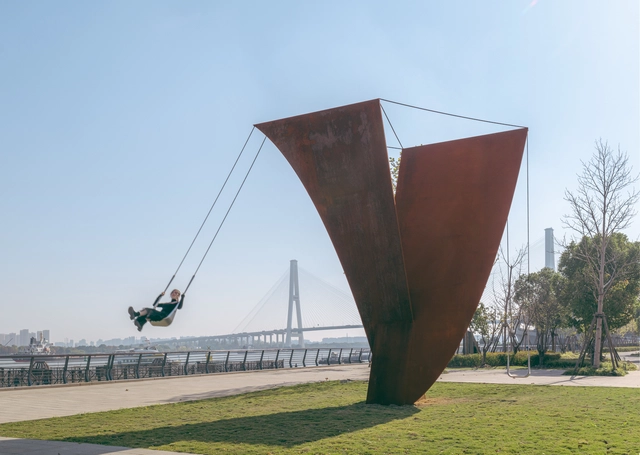
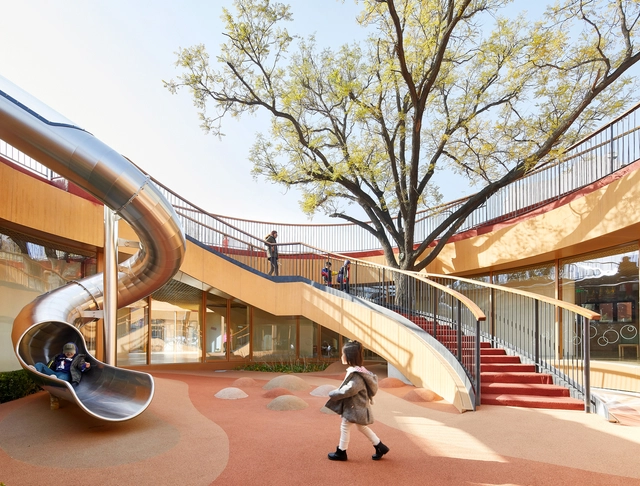
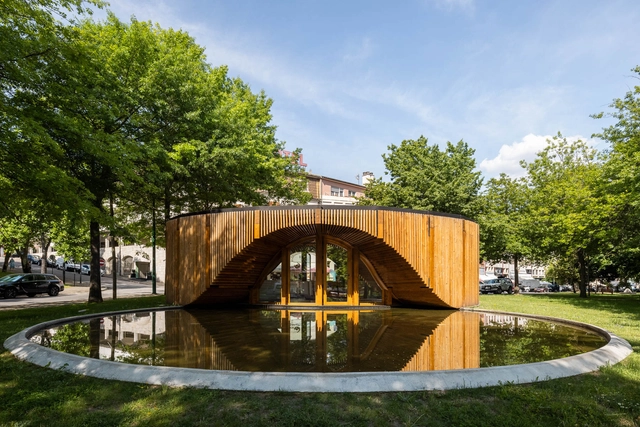
In the productivity-driven dynamics of contemporary cities, playful interventions in public spaces offer an innovative way to reclaim urban environments. These interventions encourage new ways of thinking and acting, temporarily breaking the monotony of everyday life and redefining the concept of play. Once confined to childhood and separate from daily activities, play has begun to intertwine with routine paths, becoming an integral part of urban life even outside traditional leisure times. In this way, reintroducing the swing—the most iconic children's toy—becomes particularly significant. As a symbol of childhood, pleasure, and joy, the swing contrasts sharply with the rigid appropriations of most public spaces, inviting a more relaxed and playful engagement with the urban environment. On June 11th, the UN International Day of Play reminds us of the benefits of incorporating diverse activities into urban spaces, for both children and adults, fostering community, creativity, and well-being.
Santuario de la Naturaleza Humedal Río Maipo.. Image Courtesy of Fundación Cosmos
On Earth Day 2025, observed annually on April 22, we are once again reminded of the urgent environmental and sustainability challenges that face our planet—challenges that continue to evolve alongside global economic, political, and cultural shifts. The building and construction industry remains one of the most critical sectors in the effort to manage and reduce global carbon emissions. This year, these issues are being addressed through increasingly diverse lenses, calling for more holistic and integrated approaches. It's vital that we view sustainability not as a one-size-fits-all solution, but as a multi-scalar effort—one that spans from large-scale urban development and strategic planning, to the advancement of sustainable materials, and even to temporary, thought-provoking interventions like exhibitions and installations. In doing so, we reaffirm our commitment to reducing our collective carbon footprint, while shaping a built environment that promotes human well-being and planetary health.
This International Women's Day, we celebrate the contributions of women in architecture, a field traditionally dominated by men. While dominant narratives may overlook their significant impact, as the history of architecture is replete with examples of women subtly but powerfully shaping the profession. When limited to a draftsman position, Ester McCoy took a step back not to disengage but to better observe. She became the first architectural critic and historian to notice the unique flavor of Modernism developing along the West Coast during the 1950s, bringing names such as Richard Neutra, or Luis Barragan to the forefront of architectural discussions. Similarly, the name Aline Louchheim may not be a widely recognized one among architects, but, because of her, the name Eero Saarinen surely is. The profession of architectural publicist also emerged through this collaboration. These stories remind us that recognizing women's achievements in architecture is not about celebrating gender, but about acknowledging a historical bias that has hindered the entire field's progress.
Henning Larsen has just launched a new initiative in Esbjerg, Denmark, aimed at rethinking urban spaces through the perspectives of teenage girls. Developed in collaboration with Esbjerg Municipality, Ramboll, Catapult Projects, and KOMPAN, the project builds on research from the Urban Minded framework to explore how co-creation can shape more inclusive public environments. Supported by a 2.3 million DKK grant from the Villum Foundation and 485,000 DKK from the Ramboll Foundation, the initiative seeks to address an often-overlooked demographic in urban planning. As cities continue to evolve, conversations around gender-inclusive urban spaces have gained momentum, particularly in light of International Women's Day.
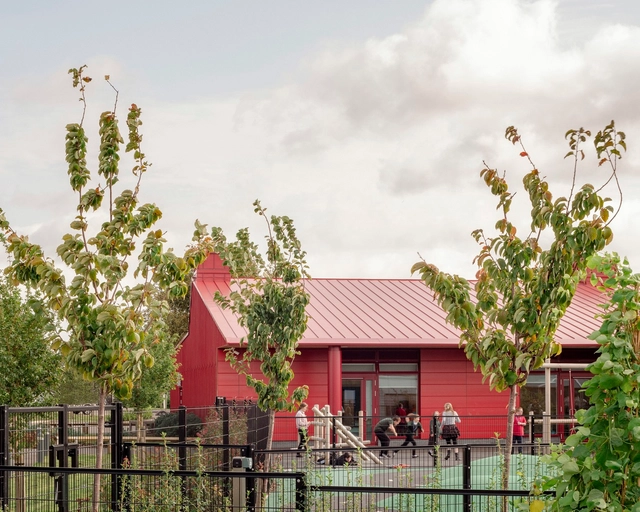
Today, the International Day of Education serves as a reminder of the significant impact that architectural design has on learning environments. From flexible classrooms that adapt to diverse teaching methods to outdoor learning areas that integrate natural elements, the architecture of learning spaces embodies the principles of pedagogy, offering opportunities for exploration, collaboration and creativity, all while maintaining a focus on the safety and comfort of all users. This selection of articles explores the potential of design to enhance learning outcomes through spatial exploration, be it inside the classroom, in outdoor spaces or by encouraging larger communities to part-take in the learning process.
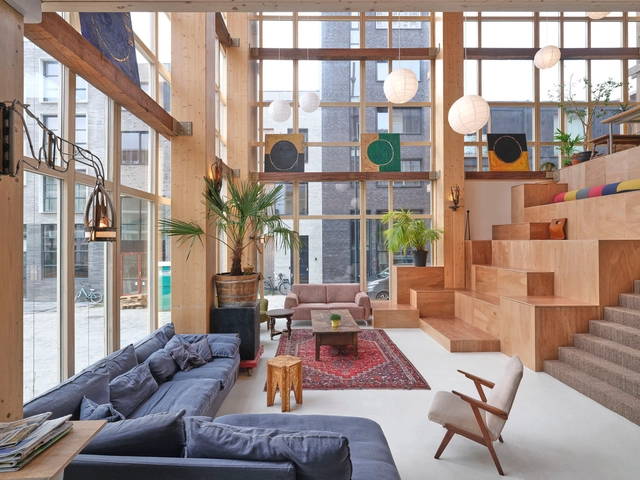
The International Day of Cooperatives, celebrated on the first Saturday of July each year, is an opportunity to raise awareness and celebrate the cooperative movement. Celebrated on this day by the United Nations since 1992, the cooperative movement is a social and economic movement empowering individuals and communities by creating enterprises that are collectively owned and democratically controlled by members. This year's theme is "Cooperatives: Partners for Accelerated Sustainable Development." Underscoring the critical role cooperatives play in achieving the Sustainable Development Goals, it also emphasizes the unique typology of cooperatives in exploring new ways of living together. With a belief in community growth, cooperatives believe in communal development, prioritizing people and supporting them to improve collective well-being.
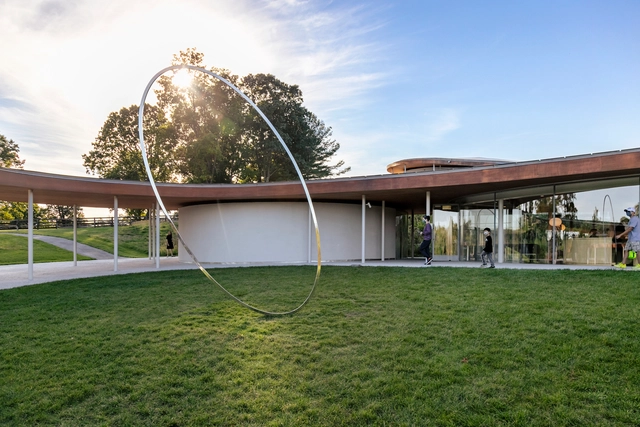
Temporal Shift by Sahar Coston Hardy. Image Courtesy of Grace Farms
Design for Freedom, an initiative launched by Grace Farms Foundation, has released an updated International Guidance & Toolkit designed to help architects and construction professionals source building materials ethically and avoid products linked to forced labor. The comprehensive online resource addresses the critical issue of forced labor within global supply chains, offering practical tools and strategies for implementation. The toolkit provides detailed information on twelve high-risk materials commonly used in construction, including glass, concrete, steel, timber, and bricks, highlighting the often inhumane conditions under which they are extracted and produced. The release of the guide coincides with Human Rights Day, further highlighting the urgency and global importance of addressing forced labor in the construction industry.
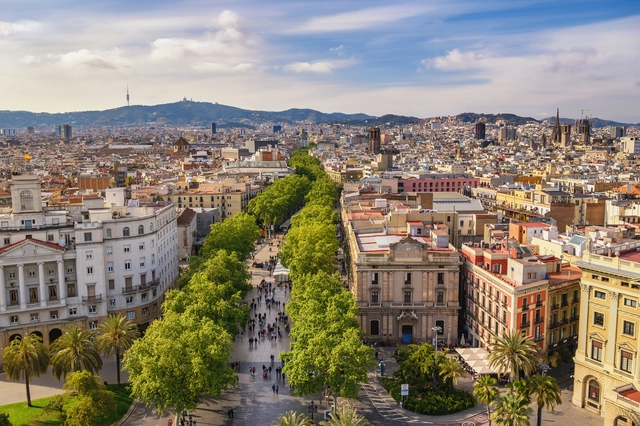
In this roundup, ArchDaily consolidates this year's transformative updates in cities worldwide, organized into thematic clusters that capture the evolving nature of urban design and policy in 2024. Projects like the extensive renovations of Barcelona's La Rambla and the preservation efforts around Chicago's historic skyscrapers highlight preservation of urban heritage, while initiatives in Venice and Los Angeles respond to overtourism and housing pressures, balancing livability with growth. Meanwhile, ambitious master plans have been announced, including the revitalization of industrial sites in Tallinn and Connecticut, reflect how cities are reimagining their urban fabric. Finally, post-disaster rebuilding in Kharkiv and Türkiye underscores the urgency of resilience-driven design, ensuring that cities can endure and evolve even in challenging times. Together, these updates offer a glimpse into the global forces reshaping urban landscapes
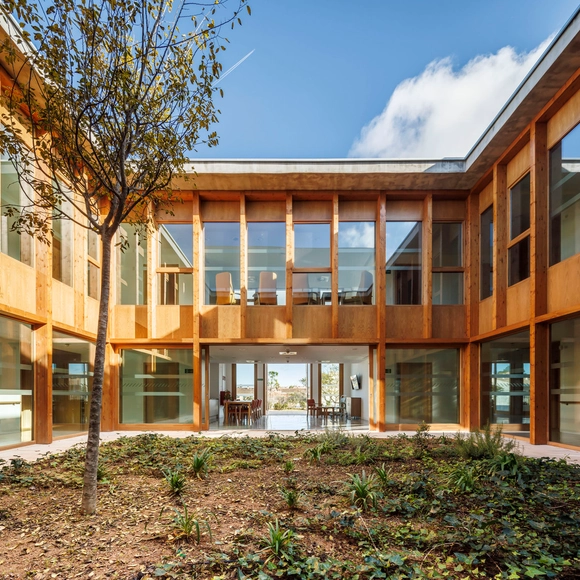
Faced with the aging of the global population, one of the most significant social transformations of the 21st century is anticipated. The design of patios, gardens, terraces, and other green areas in facilities for the elderly presents an opportunity to foster interaction, participation in various collective activities, and the establishment of gathering spaces aimed at reducing loneliness among older adults while enhancing well-being and social interaction in connection with nature. How can built environments be created to adapt to the needs of older adults?
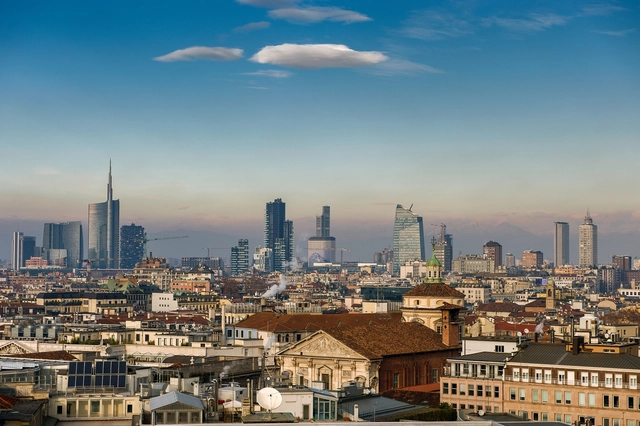
Tourism, as an urban and architectural phenomenon, has grown to encompass more than just sightseeing; it engages visitors with the social, cultural, and economic narratives that cities tell through their built environments. In celebration of World Tourism Day 2024, this collection of city guides highlights the role of architecture in shaping the urban tourism experience. Today, cities around the world stand as testaments to human ingenuity, historical preservation, and modern innovation. In fact, each city's versatile architecture offers a window into a city's identity, drawing millions of visitors each year who seek to understand how these spaces shape everyday life and collective memory.
In 2024, many cities have seized the world's collective imagination, each with its unique narrative waiting to be uncovered. Whether one finds themselves meandering through London, admiring Paris, or immersing in the cultural treasures of Sharjah, the story is always there to be unraveled. From Amsterdam's canals to Cairo's rich historical layers, Barcelona's avant-garde architecture, the liveliness of Santiago to the ancient marvels of Rome, and the diverse Istanbul to the bustling Bangkok – each city serves as a testament to the enduring spirit of human civilization.
In celebration of World Tourism Day, it's important to highlight the crucial role that tourist information points (TICs) play across Europe. These centers provide essential services, from maps and local advice to promoting sustainable travel. Strategically located at major transit hubs and landmarks, TICs ensure that visitors receive personalized guidance to enhance their travel experience. According to the World Tourism Organization (UNWTO), Europe welcomed an estimated 585 million international tourists in 2023, underscoring the importance of efficient, localized visitor support. TICs have adapted to this surge by offering both in-person and digital services, helping tourists make informed decisions about their upcoming journeys.
Beyond just a visual record, architectural photography is a powerful medium that holds the ability to reveal and explore architectural spaces from unique perspectives. Through the lens of a skilled photographer, architecture showcases its interplay of lights and shadows, the tectonics of its structural elements, the careful detailing of joined materials, and the larger narratives of cultural heritage. On World Photography Day 2024, we celebrate this unique art form by highlighting the work of 25 distinguished photographers who have captured architecture in its most evocative forms.
Among the featured photo series, Paul Clemence explores the minimalist precision of Swiss museums, Iwan Baan offers a visual narrative of Prague, while Simone Bossi highlights the contrast between man-made structures and their natural surroundings. Additionally, Marc Goodwin continues his series on architecture studios from around the world, providing a glimpse into the profession’s creative spaces. Erieta Attali’s work transports viewers to ancient ruins to explore historical juxtapositions and cultural landscapes.
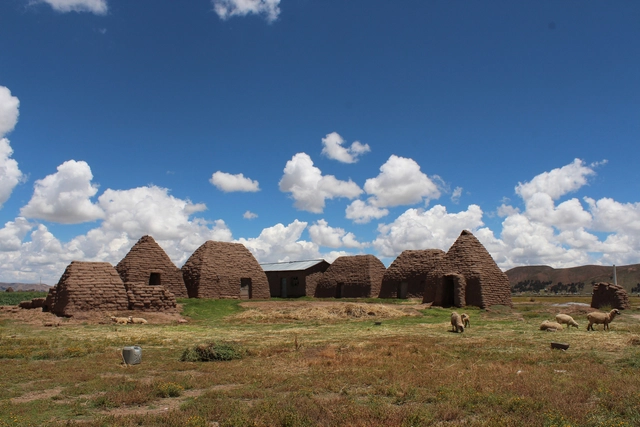
According to the United Nations, indigenous people are "place-based" ethnic cultures that have not migrated from their initial homeland. In today's world, with human-caused climate change driving extreme weather events and a growing demand for authenticity and cultural diversity, architects are increasingly turning to indigenous knowledge systems not only as sources of inspiration but as viable solutions to adapt and respond to local and global challenges. As traditional custodians of the land, Indigenous communities possess a profound understanding of their ecosystems, locally available materials, cultural norms, and social constraints. This knowledge holds insights valuable for shaping contemporary architecture, helping it adapt to both the people and their environments.
Vernacular and indigenous practices are emerging as a foundation for architectural reimagining, informing spatial lays, the choice of materials, and building techniques while also allowing for the integration of innovation and contemporary expression. This careful blend of tradition and modernity can have a significant impact in terms of sustainability, as architects who adopt the indigenous approach to harnessing available resources can not only create structures rooted in their context but also minimize the ecological impact of the construction. Additionally, collaborating directly with Indigenous communities leads to projects that prioritize community participation, cultural sensitivity, and sustainable development.
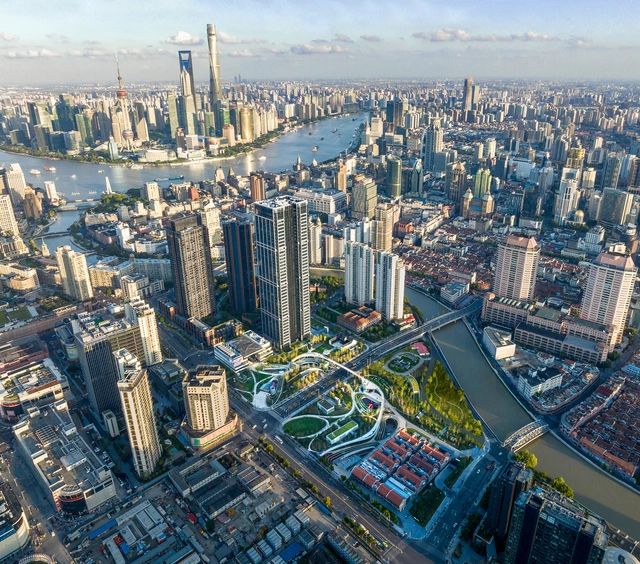
More than half of the world's population resides in urban areas, with over 4 billion people depending on cities as their main environment. According to the United Nations’ latest report on populations in cities, this number is expected to continue to increase over the next 50 years, prompting cities worldwide to strive to find better ways to accommodate their growing population while transitioning to more sustainable urban practices. To highlight this responsibility, the United Nations has declared July 11th the World Population Day.
Under this year’s theme, “To Leave No One Behind, Count Everyone,” the UN aims to also draw attention to the importance of data collection for reflecting societal diversity. The growth of world cities is part of this equation as an important measure for understanding global population trends. The following list presents the top 20 cities worldwide in 2024, ranked by the population size of their metropolitan areas. Comparing the results to the previous editions, the only cities to reduce their size are the two cities from Japan, Tokyo and Osaka. The highest growth rates can be observed in African mega-cities, Kinshasa and Lagos, while China continues to be the most present country in the list, with 5 metropolises present in the top 20: Shanghai, Beijing, Chongqing, Tianjin, and Guangzhou.
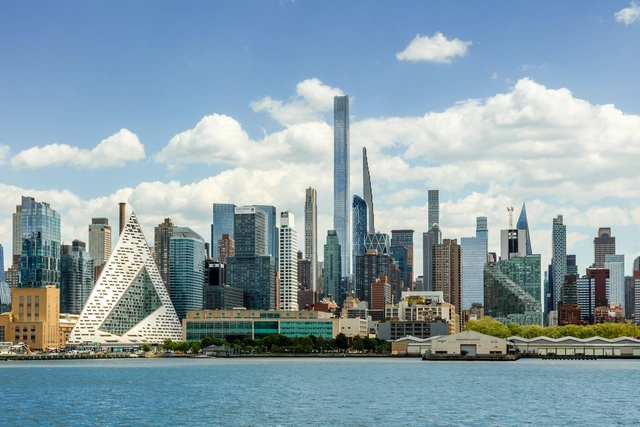
Skyscrapers are iconic symbols of modern urbanization and technological advancements all over North America. These structures are a sign of economic prosperity, urban density, and the capabilities of humanity’s ambition. In major cities across the continent, they shape the skyline and give identity to these metropolises. Cities like New York City, Toronto, and Florida utilize these cutting-edge designs to showcase power beyond their physical stature.
In general, skyscrapers are characterized by their remarkable height and pioneering engineering capabilities. They use advanced materials such as steel, glass, and concrete and serve as multifunctional spaces, ranging from housing to hotels and offices. Architects all around the world continually push the boundaries of architectural creativity, design, sustainability, and functionality while crafting these buildings. The structures allow architects to maximize land use in new ways, tackling densely populated urban areas.
In commemorating World Autism Day, it is crucial to acknowledge the impact of design on the lives of individuals with disabilities. Whether it’s the Autism Garden in Iran by Hajm.e.Sabz, the Sycamore at Northgate Park Hospital in the United Kingdom, or the Home for The Homeless, each of these projects celebrates diverse needs and seeks to foster a sense of belonging and empowerment for all.
This curated collection unfolds the narratives of some of the most compelling architectural projects by women from the Global South. From the unique streets of Dubai to the rural landscapes of Niger, each project serves as a testament to the power of architecture to transcend gender boundaries and create meaningful designs that connect people and their surroundings.
Expanding beyond just March 8th, ArchDaily acknowledges and celebrates the ongoing contributions of women who influence the development of the built environment globally. The "Women in Architecture" theme is central to our content strategy, underscoring our daily commitment to highlight the vital role and impact of female architects.