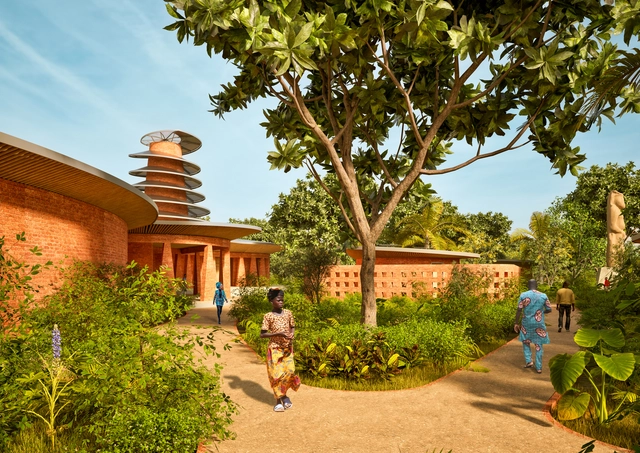
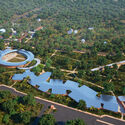
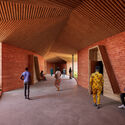
Kéré Architecture has revealed the design of a masterplan and series of buildings dedicated to the cultural and spiritual heritage of the Ewé people in the town of Notsé, in Togo. Commissioned by the Kothor Foundation, the center incorporates a sanctuary, several temples, a large-scale open-air amphitheater, as well as cultural functions such as exhibition halls, an auditorium, restaurants, and a reconstruction of the ancient royal palace of the Ewé Kingdom. The project, Francis Kéré's first in Togo, started construction in October 2024 and is scheduled for completion in February 2026.
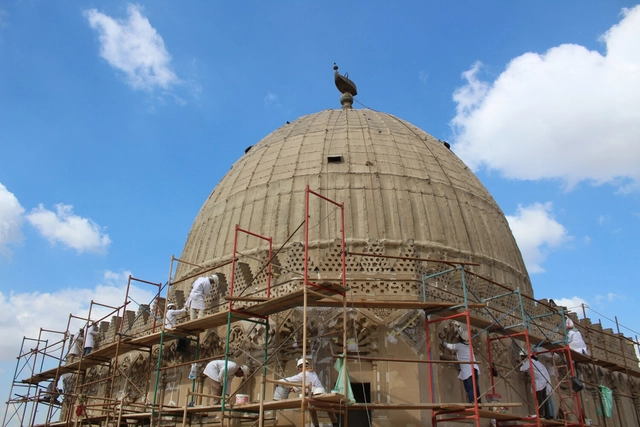
Al-Imam Al-Shafi'i. Image Courtesy of Megawra - Built Environment Collective
Cairo, often called the "City of a Thousand Minarets," boasts one of the richest cultural and architectural tapestries in the world. Its heritage reflects centuries of diverse influences from Pharaonic monuments to Islamic and Mamluk architecture. However, preserving this legacy is an ongoing challenge in the face of urban pressures, climate change, and socio-economic dynamics. Heritage conservation in Cairo is not just about safeguarding these structures; it's about integrating them into the lives of local communities, ensuring they remain dynamic and accessible spaces.
At the forefront of this mission is Dr. May al-Ibrashy, an architect and conservationist whose innovative and community-driven approach has redefined how heritage is preserved. As the founder of Megawra–Built Environment Collective, she has worked tirelessly in neighborhoods like Al-Khalifa, Al-Hattaba, and Sayyida Zeinab to restore historic monuments while creating vibrant public spaces. Her work bridges the gap between architectural preservation and urban regeneration, ensuring that these historic districts serve both as cultural landmarks and as living, functional spaces for their residents.
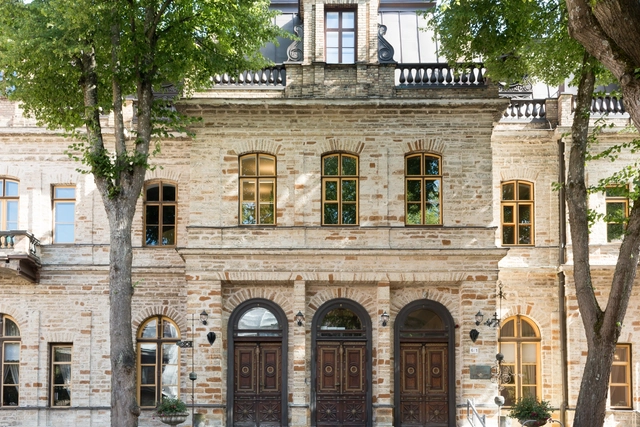
In the heart of Tallinn, where history weaves through cobblestone streets and ancient towers, stands the Ungern-Sternberg Palace — a monument that bridges the opulent past of Estonia's aristocracy with the vibrant world of contemporary academia. Now home to the Estonian Academy of Sciences, this historic building embodies Estonia's enduring dedication to knowledge and cultural preservation. Through Open House Tallinn, which highlights the city's architectural heritage, the palace's significant history, and remarkable architectural details are brought to a wider audience, offering unique insight into Estonia's cultural resilience.
Constructed in the 19th century as a symbol of aristocratic power, the palace has transformed from a private residence into a national hub of intellectual life. Its grand halls, once the scene of lavish gatherings, now foster scientific and academic pursuits, illustrating how heritage architecture can evolve alongside societal change.
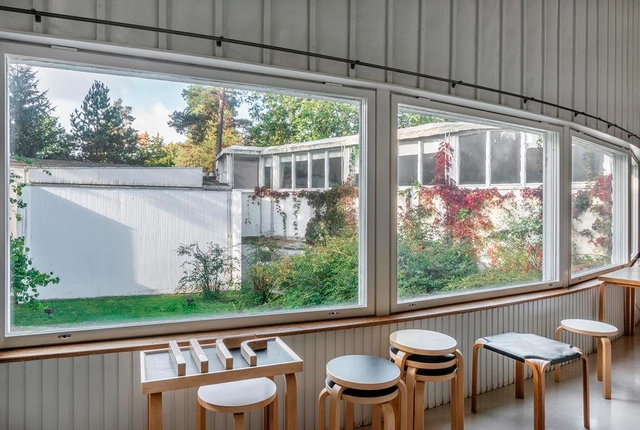
Studio Aalto and its garden area have just been officially granted protection by the Uusimaa Centre for Economic Development, Transport, and the Environment. Originally constructed in 1955 as an architect's office, with an extension in 1962-63, it holds major significance as the workspace where Alvar Aalto's acclaimed architecture was conceived. Additionally, the Studio reflects the architectural-office design ethos of the 1950s and 60s. Its interiors, including layers of furniture accumulated over decades, remain intact and are integral to the site's protected status, marking it as the first Aalto location in Finland to be listed in this way.
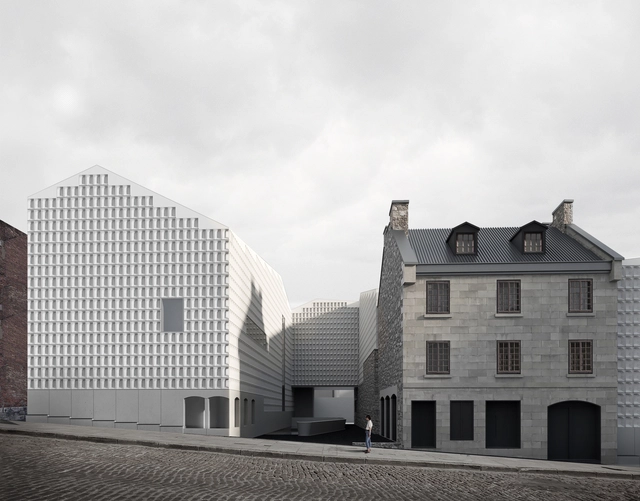
Cultural centers are vibrant places where art, community, and innovation intersect—each uniquely crafted to embody and celebrate its local character. This month's projects, submitted by the ArchDaily community, showcase a diverse array of cultural spaces, from the transformation of a historic townhouse in Montreal to a dynamic creative hub in Riyadh and an eco-conscious visitor center in Tennessee's mountains. Each design offers a new perspective on what a cultural center can be, whether a hub for creativity, a sanctuary for nature, or a bridge to the past.
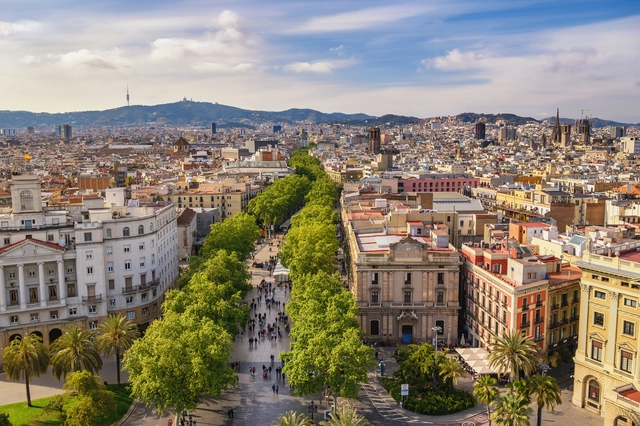
In this roundup, ArchDaily consolidates this year's transformative updates in cities worldwide, organized into thematic clusters that capture the evolving nature of urban design and policy in 2024. Projects like the extensive renovations of Barcelona's La Rambla and the preservation efforts around Chicago's historic skyscrapers highlight preservation of urban heritage, while initiatives in Venice and Los Angeles respond to overtourism and housing pressures, balancing livability with growth. Meanwhile, ambitious master plans have been announced, including the revitalization of industrial sites in Tallinn and Connecticut, reflect how cities are reimagining their urban fabric. Finally, post-disaster rebuilding in Kharkiv and Türkiye underscores the urgency of resilience-driven design, ensuring that cities can endure and evolve even in challenging times. Together, these updates offer a glimpse into the global forces reshaping urban landscapes
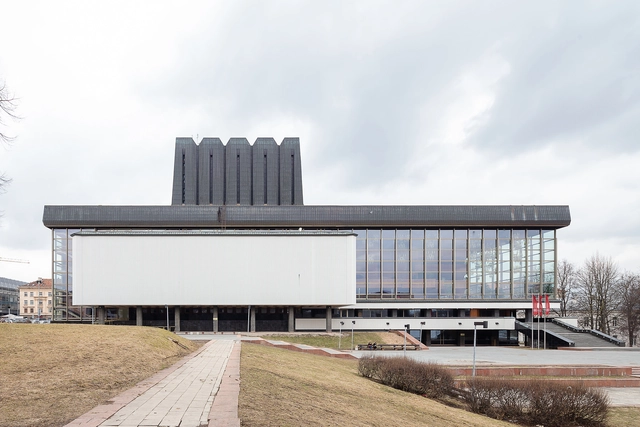
Standing out among the array of cultural programs, the opera and theater typology is often understood as encompassing the luxurious and elitist spirit of a bourgeois society focused on entertainment. Across the Soviet Union, this represented the opposite of the principles to be promoted. However, despite the opposition of the political class, the program remained widely popular. As the historical structures, symbols of the previous regime could no longer be promoted, the search began for a new image of the Opera House, one aligned with Socialist ideals and the concept of "art belonging to the masses."
This is the case of Soviet Lithuania, which, in the 1940s, began the process of developing a new Opera and Ballet Theater in Vilnius to replace the theatre in Pohulianka. The process resulted in an unusual commission, as young architect Elena Nijolė Bučiūtė won the 1960s competition for architectural design, turning the initial socialist realist proposals into a welcoming and expressive design, blending elements of early and late modernism. This also represents a surprising accomplishment for a young architect who was a woman and not a member of the Communist Party. Open House Vilnius featured the project in its program for several editions.
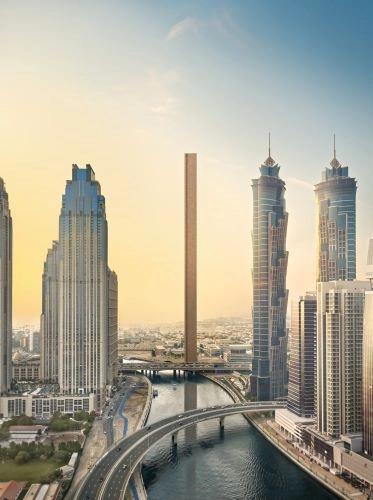
Muraba and RCR Arquitectes, recipients of the 2017 Pritzker Prize, have collaborated on Muraba Veil, a modern architectural project in Dubai that aims to incorporate traditional elements alongside contemporary innovation. This 380-meter-high tower is the latest result of a decade-long partnership between Muraba, a Dubai-based developer, and RCR Arquitectes, a Spanish architectural firm. The project introduces a skyscraper designed to engage with the local environment and culture, seeking to combine modern architectural techniques with regional heritage.
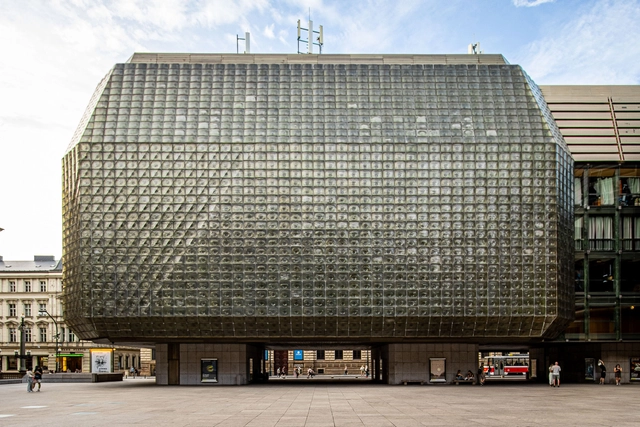
From 1977 to 1983, the National Theatre in Prague underwent a major transformation with the opening of Nová Scéna, a modern counterpart to the traditional Neo-Renaissance theatre. For many years, Nová Scéna hosted the renowned Laterna Magika, the world’s first multimedia theatre. This groundbreaking performance style combined classical theatre with computer-generated visual effects, creating a unique dramatic experience. The striking glass building, a symbol of the communist era, became an iconic representation of the political power of the time. In recognition of its significance, this building was part of the Open House Prague festival in 2024—an annual event that invites the public to explore and appreciate the value of architecture.
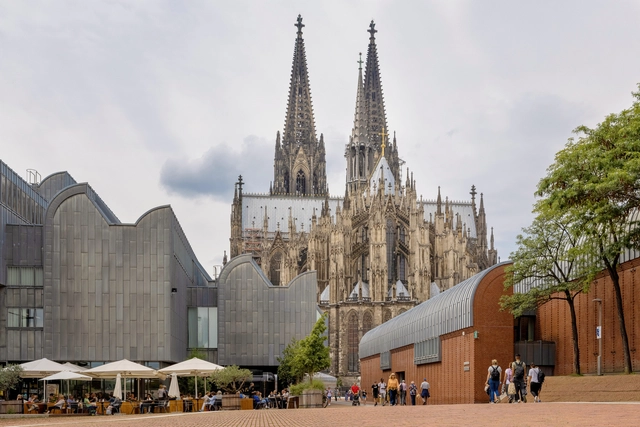
With its culturally and historically rich context, the city of Cologne, also called Köln by its locals, is considered one of the most important centers in West Germany. Nestled on the banks of the Rhine River, the city unfolds its architectural narrative through the interplay between historical landmarks, and contemporary interventions. In the old town, the medieval Cologne Cathedral, a UNESCO World Heritage Site and the tallest cathedral in the world, dominates the skyline. The cityscape is also shaped by the Twelve Romanesque churches of Cologne.
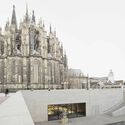
Beyond its historical core, Cologne embraces modernity with structures such as the Kranhaus buildings or Renzo Piano’s Weltstadthaus. The tapestry of architectural styles is further underlined by interventions such as Peter Zumthor’s Kolumba Museum, integrating the ruins of a late-Gothic church destroyed during World War II into a tranquil space dedicated to the contemplation of art and history.
Along India's southwest coast dotted with a mix of colonial architecture and ancient heritage, the city of Kochi stands as a relic of foreign influence. A previously colonized town by the Portuguese, Dutch, and British now breathes new life into its built landscape. Across the world, in the German city of Kassel, the scars of World War II are etched into the environment, deep under its revived cultural soul. Both Kochi and Kassel, though worlds apart in geography and history, shared a commonality: the power of art and festivals to heal. In the aftermath of historical trauma, these cities found renewal in the creative expression of artists from around the globe.
The Aga Khan Award for Architecture has announced the Master Jury for the 16th award cycle. The independent panel includes Pritzker Prize laureate Yvonne Farrell, ArchDaily founder David Basulto, and Lucia Allais, director of the Buell Center. Established in 1977 by Aga Khan IV, this competition set out to highlight architectural projects that have a significant positive impact on Islamic communities worldwide. The Award is presented in three-year cycles and has a monetary prize totaling US$1 million.
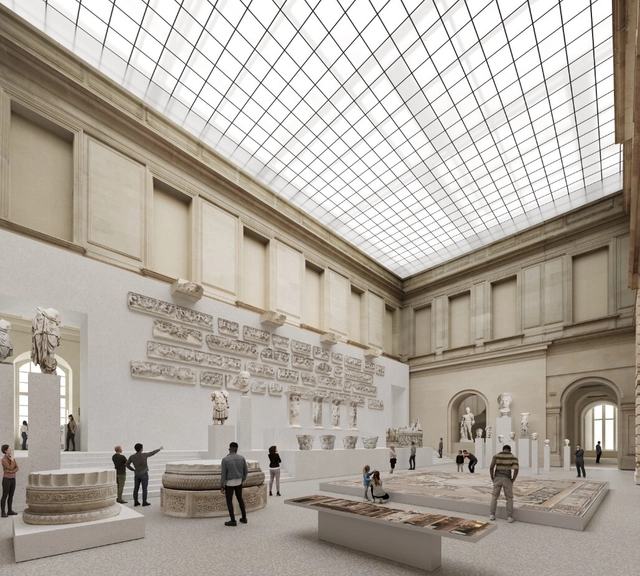
The Louvre Museum in Paris has announced the American-French consortium WHY Architecture -BGC as the winner of an international competition for the exhibition design of the museum's ninth department, dedicated to Byzantine and Eastern Christian Art. The 5,500-square-meter project aims to offer a more balanced and connected narrative of the Roman, Byzantine, and Islamic civilizations, fostering a greater understanding of the influences and relationships between artistic expressions of these historical regions. The spaces are expected to open to the public in 2027.
Reflecting on the past is often viewed as nostalgia or, from a more critical standpoint, as a sign of regression. However, looking back can offer valuable insights into a society that sometimes appears overly focused—if not obsessed—with the future and technology. In architecture, this reflection allows us to reconnect with our roots and appreciate the knowledge accumulated over generations. It invites us to explore how our ancestors designed durable structures adapted to their environment. Refined through centuries of observation, experimentation, and likely even errors, these systems demonstrate a profound understanding of local materials and building techniques.
https://www.archdaily.com/1020943/heritage-in-mud-stone-and-reeds-rediscovering-ancestral-construction-techniquesEnrique Tovar
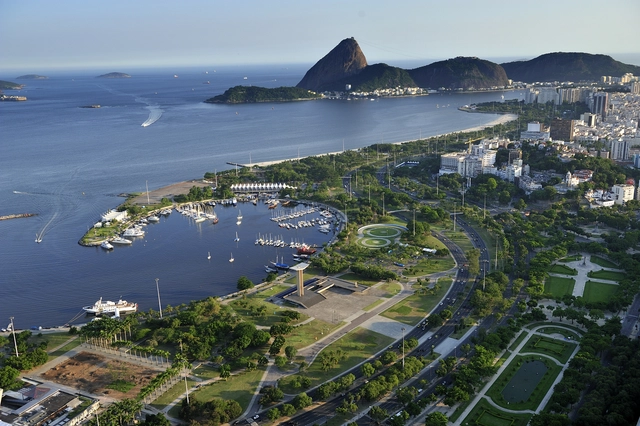
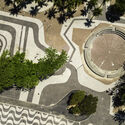
From the 1930s to the 1990s, Burle Marx's work anticipated many of today's concerns about sustainability and urban well-being. Long before terms like "sustainable design" or "green infrastructure" became commonplace, Burle Marx was already advocating for the use of native plants, recognizing their role in creating self-sustaining ecosystems that required minimal intervention. His projects often transformed neglected urban areas into vibrant, ecologically balanced spaces that not only improved the environment but also enhanced the quality of life for city dwellers.
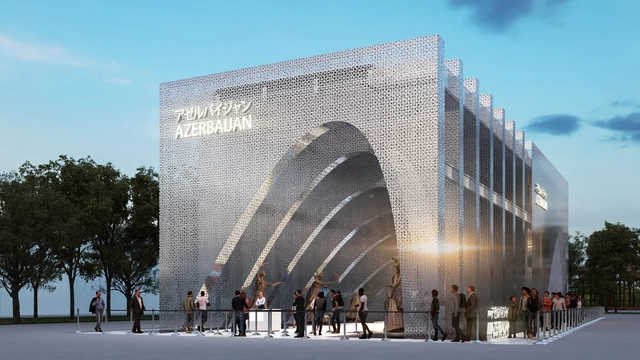
Azerbaijan Pavilion. Image Courtesy of Bellprat Partner
The Republic of Azerbaijan has just revealed its design for it's pavilion at Expo 2025 in Osaka, Kansai. Shining a spotlight on the country's culture, history, and forward-thinking approaches, the pavilion aims to promote connection and sustainability. Designed by Bellprat Partner in collaboration with Eleven, the pavilion will offer visitors a journey through Azerbaijan's rich traditions while emphasizing its modern goals for sustainability and international cooperation.
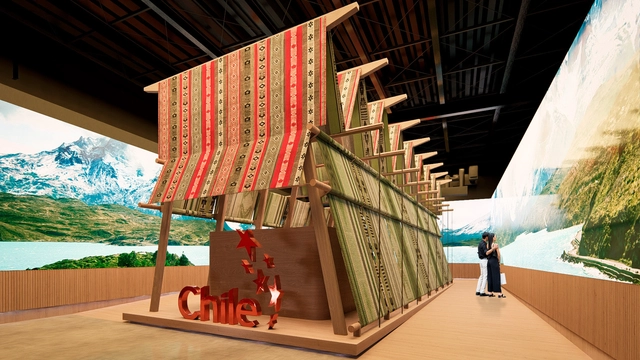
The Chile Pavilion, recently revealed by Constructo Architects for Expo Osaka 2025, blends contemporary industrial design and traditional Mapuche textile artistry. Constructed using industrialized wood (CLT) and featuring handwoven textiles, the pavilion emphasizes both innovation and cultural heritage. The structure is designed to be a "nomadic pavilion," easily assembled and disassembled, allowing it to travel from Chile to Japan and back.