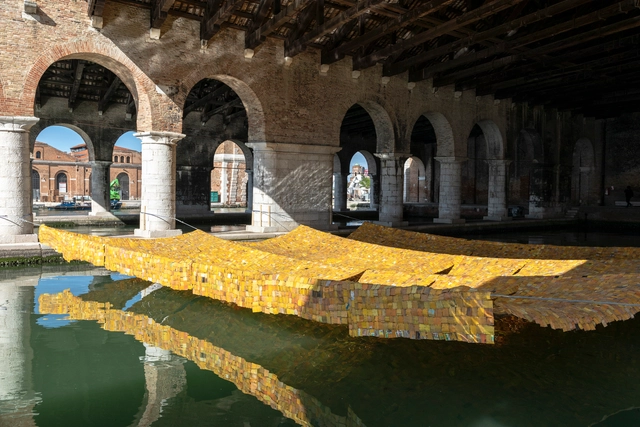
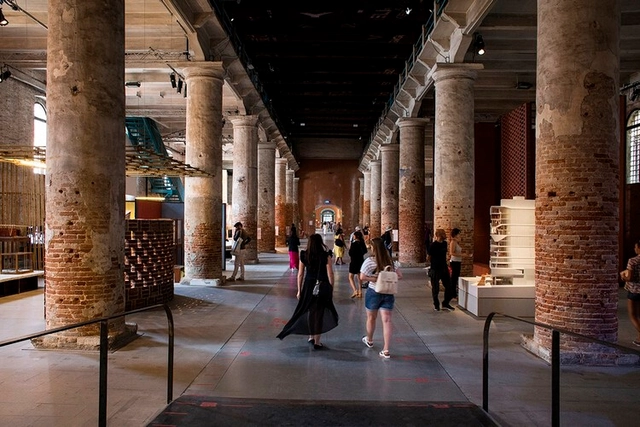
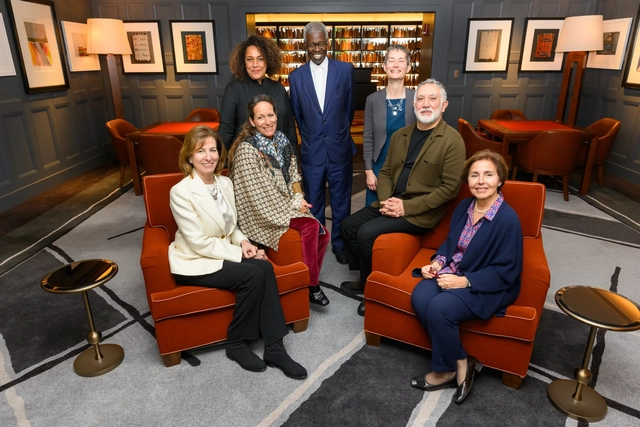
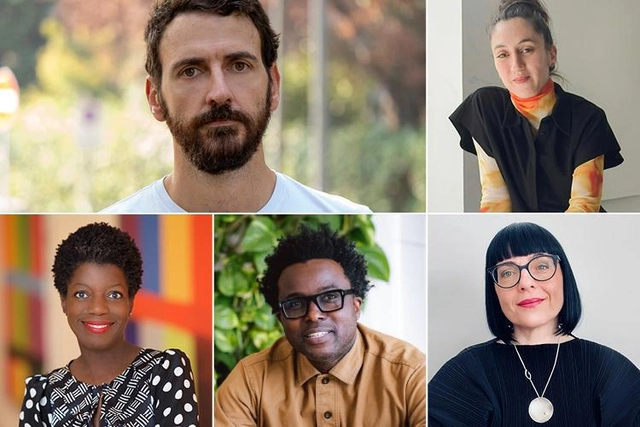
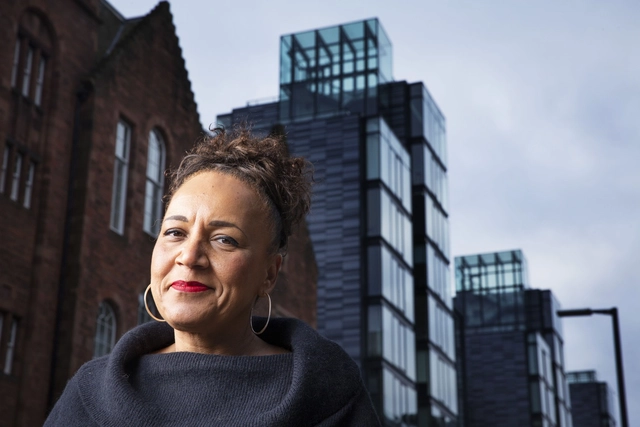
Moderated by David Basulto, Co-Founder and editor-in-chief at ArchDaily, the panel featured Jury Chairs for the Holcim Awards 2023 competition, Lesley Lokko, Belinda Tato, Craig Dykers, Manit Rastogi, and Tatiana Bilbao, who explained how the winning projects contributed to the industry's global knowledge network across regions, and how the construction industry is heading towards a sustainable practice.
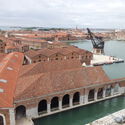
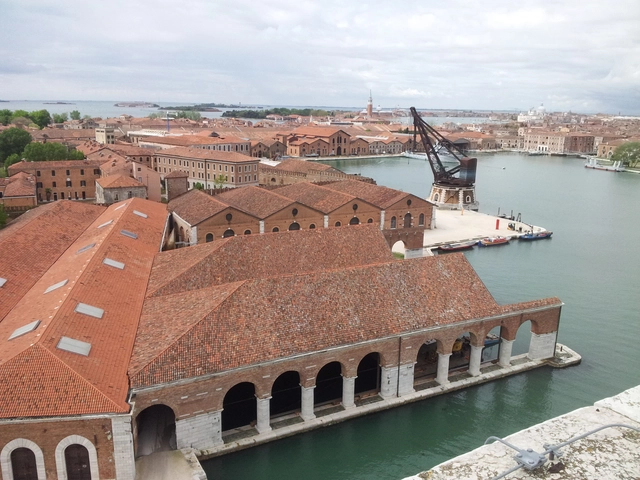
The Panel Discussion took place on November 19th, 2023 at the Teatro Piccolo Arsenale, in Venice, Italy.
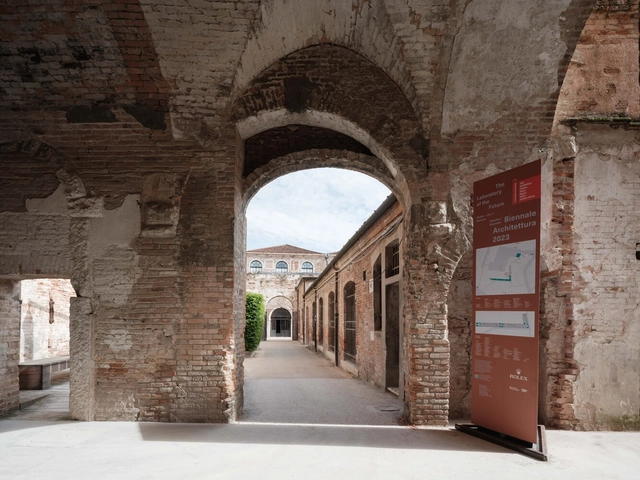
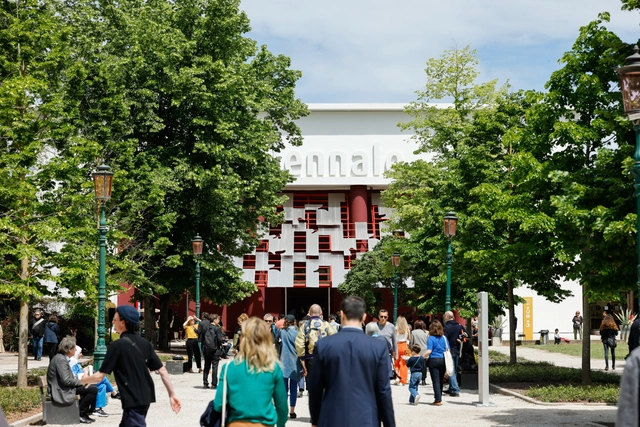
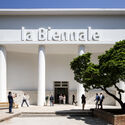
The 18th International Architecture Exhibition of La Biennale di Venezia closed on November 26th. A total of 285,000 people visited the exhibition, making it the second most highly attended Architecture Biennale in its history. Named "The Laboratory of the Future," this edition led by curator Lesley Lokko, has been the first to focus on Africa and its diaspora, exploring the “fluid and enmeshed culture of people of African descent that now straddles the globe,” in the words of the curator, with themes of decolonization and decarbonization.
This edition has attracted a wide array of visitors, 38% of whom are represented by students and young people. Visitors organized in groups represented 23% of the overall public, with a large majority of groups coming from schools and universities. The numbers denote an event centered on the transmission of knowledge and circulation of ideas.
While exploring the 18th International Architecture Exhibition, the ArchDaily team had a chance to engage in conversation with several curators of the national pavilions, along with Lesley Lokko, the curator of the entire exhibition. The discussions delved into the unique character of this year’s edition focused on an understanding of Africa as a “Laboratory of the Future.” Through this lens, the biennale became “a healing experience,” in the words of Lesley Lokko, reinterpreting and deconstructing the meaning behind ideas such as decolonization, decarbonization, resource management, or finding the hidden potential in vernacular forms of practice.
Following Lokko’s curatorial direction, the exhibitions presented at the national pavilions explored the specific conditions of their territories, striving to uncover and highlight the unique challenges and opportunities faced by their local cultural landscapes. During the interviews, the curators opened up in regard to their personal inspirations and the drive behind the choice of program, the messages embedded in the displays, and their hopes for the future of the profession.
Courtesy of AKAA | Under Fair Use | Princess Zahra Aga Khan with the 2025 Steering Committee
Last night, the Aga Khan Award for Architecture announced the constitution of its new Steering Committee for the 2023-2025 cycle. Composed of 5 primary jurors, this selection plays a pivotal role in the governance of the world-renowned award. Initially established in 1988, the award is internationally recognized as a leading award celebrating architecture projects that set a new standard of excellence in various practices, including architecture, planning practices, historic preservation, and landscape architecture. The award is also most known for its emphasis on applauding projects that use local resources and respect the contextual surroundings.
Chaired by His Highness Aga Khan, the Steering Committee for the 2023-2025 cycle comprised members from very diverse backgrounds. These members include Meisa Batayneh from Amman, Jordan; Souleymane Bachir Diagne from New York, USA; Lesley Lokko from Accra, Ghana; Gülru Necipoğlu from Cambridge, USA; Hashim Sarkis, also from Cambridge, USA; and Sarah M. Whiting, also affiliated with Harvard University in Cambridge, USA. Each individual is well-established in their respective practice, and together, they steer the Award, establishing eligibility criteria for different project submissions. The Committee provides thematic direction for the Award and plans for the institution's future. Finally, their most critical task involves selecting an independent Master Jury, which subsequently chooses award recipients.
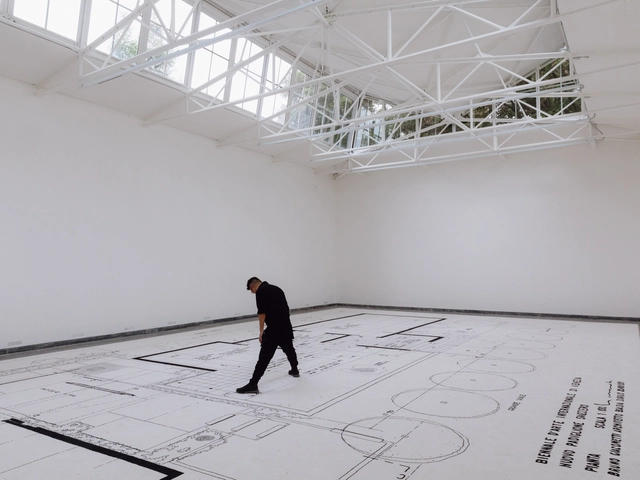
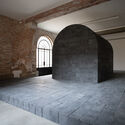
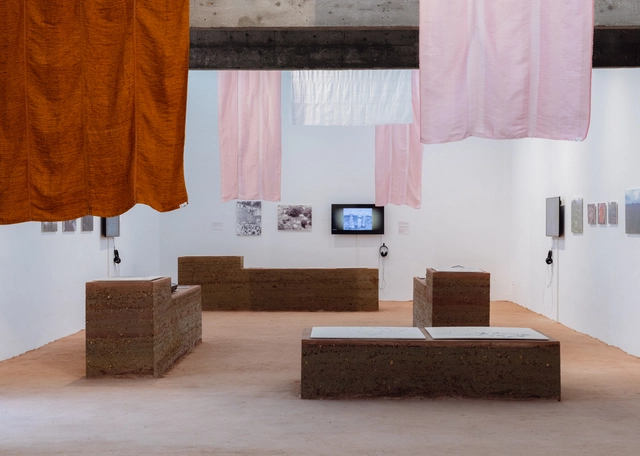
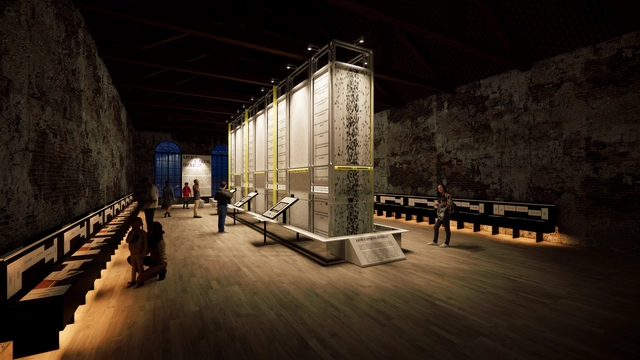
Neri&Hu presented “Liminality”, a multimedia exhibition selected by Lesley Lokko, at the International Architecture Exhibition in Venice. The exhibition took place in the Dangerous Liaisons section of La Biennale di Venezia at the Arsenale. In response to Lokko’s curatorial statement, Neri&Hu’s display explored the concept of liminality, the “zone” between design practice and theoretical exploration. The display consisted of three adaptive reuse projects that represent the practice’s research in “Reflective Nostalgia, Recasting Vernacular, and Ruinophilia/Future Artifact.”
Taking a broader perspective on architecture, the exhibition shifts its focus towards the discipline rather than just the profession. It’s not “about building buildings per se”, explains the curator to ArchDaily. Instead, it seeks to question our conventional understanding of architecture, and with that, architectural exhibitions. The 2023 Biennale is a laboratory in every sense of the word, a global platform of experimentation, and a space to explore new ideas in the absence of spaces that allow us to do so. "It borrows its structure and format from art exhibitions, but it differs from art in critical ways which often go unnoticed", states Lesley Lokko in her initial statement.
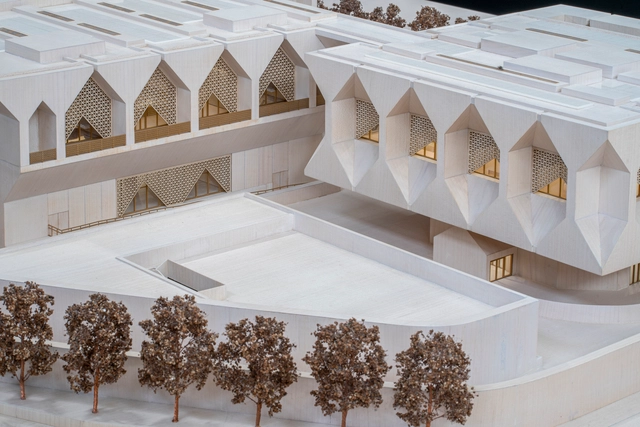
Architectural model of the new KNMA New Delhi. Image Courtesy of Adjaye Associates and KNMA
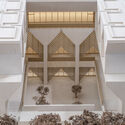
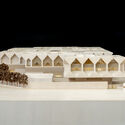
The Kiran Nadar Museum of Art (KNMA) has revealed an architectural model of its new building during the 18th International Architecture Exhibition - La Biennale di Venezia, as part of the Curator’s Special Projects, titled Mnemonic, presented at the Arsenale - Artiglierie in Venice. The building, designed by Ghanian-British architect Sir David Adjaye in collaboration with S. Ghosh & Associates as the local architect of record, is set to become India’s largest cultural center. The project is scheduled to open in Delhi in 2026.
The International Jury will award the "Golden Lion for Best National Participation", the "Golden Lion for the best participant in the International Exhibition The Laboratory of the Future", as well as the "Silver Lion for a promising young participant in the International Exhibition The Laboratory of the Future". The Jury may also award a maximum of one special mention to a National Participation, and a maximum of two special mentions to the participants in the International Exhibition The Laboratory of the Future. The announcements and awards ceremony will take place in Venice on Saturday, May 20th, 2023.
WHEN IS ENOUGH, ENOUGH, The Performance of Measurement. Image Courtesy of Singapore Pavilion
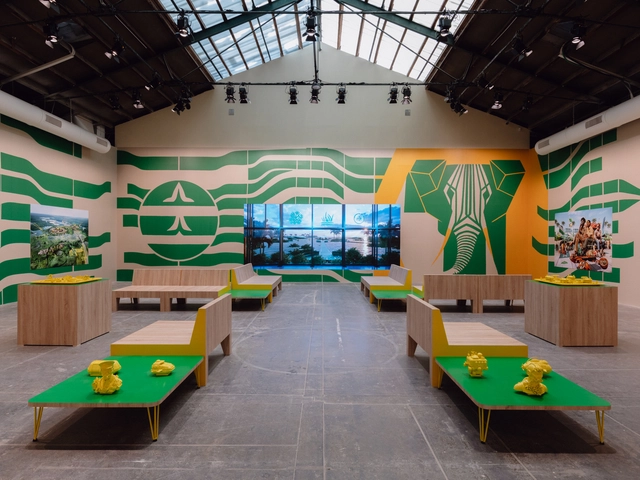
For this year’s 18th International Architecture Exhibition – La Biennale di Venezia, the Singapore Pavilion activates discussion on new methods of measuring and evaluating the intangible and asks explicitly: how much is enough? The exhibition explores a community’s interaction with its surroundings, suggesting that they are not currently measured within the same measurable, quantifiable and gradable standards that buildings and the built environment are designed and built to. Moreover, the pavilion suggests that connecting these two pillars of city architecture, it is essential to rethink innovation in design. The exhibition asks how architects can quantify the immeasurable values of architecture: agency, attachment, attraction, connection, freedom, and inclusion.
Founder and Director of the African Futures Institute (AFI) based in Accra, Ghana, Lesley Lokko, is a Ghanaian-Scottish architect, educator, and novelist. With a career that spans Johannesburg, London, Accra, and Edinburgh, she has held several teaching positions and is widely recognized in her field. Professor Lokko was appointed as the curator of the 18th International Architecture Exhibition, La Biennale di Venezia in December 2021, after serving as a jury member for the Golden Lions Awards for the previous edition of the Venice Biennale. In her first interview with ArchDaily, after she was appointed curator of the 2023 Architecture Biennale, Lesley Lokko shares insights about the preparations, the theme, and this 18th edition.
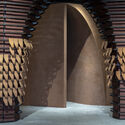
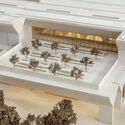
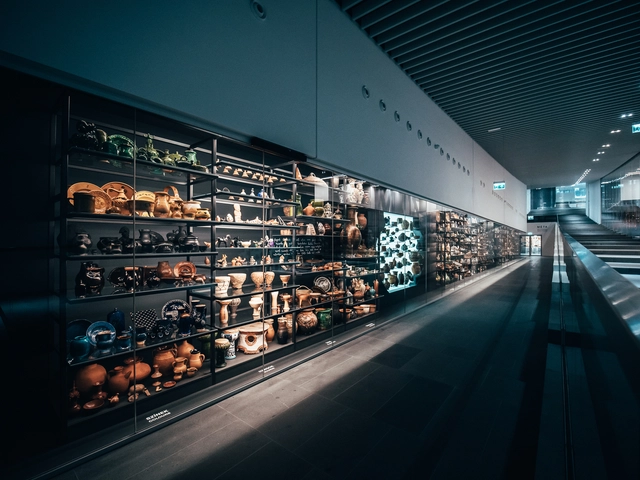
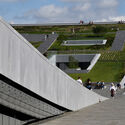
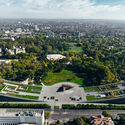
At this year’s Venice Architecture Biennale 2023, the Hungarian Pavilion focuses on a new museum building in Budapest, the Museum of Ethnography. The Museum was designed by Marcel Ferencz (Napur Architect) and completed in 2022 as one of Europe’s most notable cultural and urban development programs, the Liget Budapest Project. The exhibition in Venice, titled "Reziduum – The Frequency of Architecture" and curated by Mária Kondor-Szilágyi, will present the museum's collection through the digital medium. A short animated film titled Ethnozoom and an interactive computer program, the MotifCreator, will allow visitors to become familiar with Hungarian traditions and create their own motif compositions, thus contributing to worldwide community creation. The Hungarian Pavilion will showcase works by architect Marcel Ferencz, architect and composer Péter Mátrai, architect Judit Z. Halmágyi and light designer Ferenc Haász.
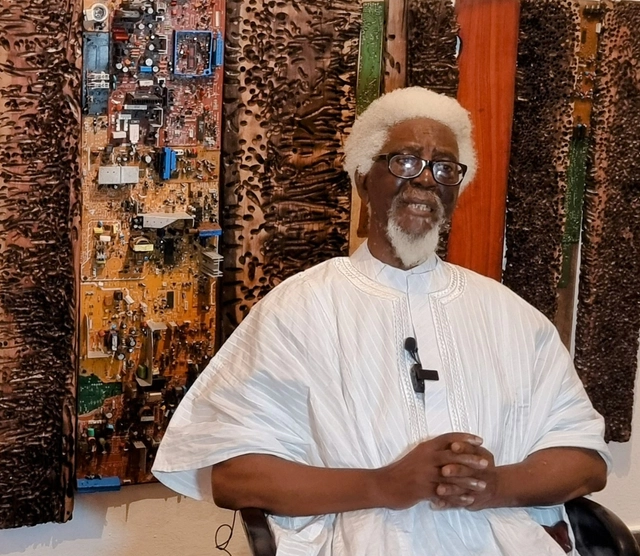
Demas Nwoko. Image Courtesy of La Biennale di Venezia
Nigerian-born artist, designer, and architect Demas Nwoko is the recipient of the Golden Lion for Lifetime Achievement of the 18th International Architecture Exhibition of La Biennale di Venezia entitled The Laboratory of the Future. The decision was taken at the recommendation of the exhibition curator, Lesley Lokko, and was approved by La Biennale’s Board of Directors chaired by Roberto Cicutto. The awards ceremony will be part of the inauguration of the 18th Exhibition and will be held on May 20th, 2023, at Ca’Giustinian, the headquarters of La Biennale di Venezia.