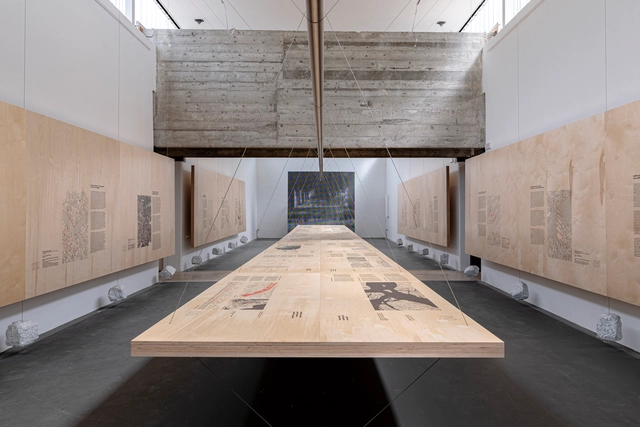
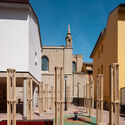
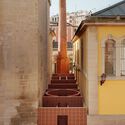
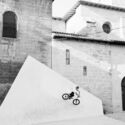
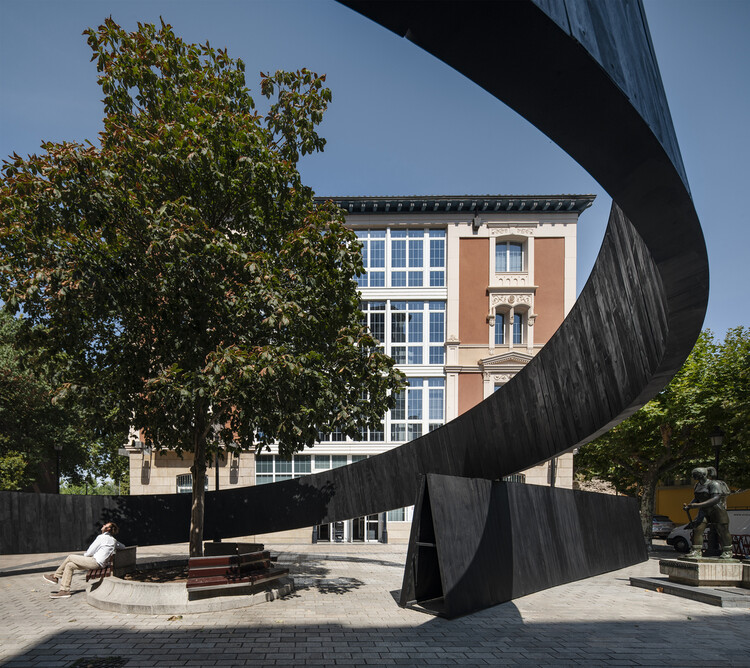
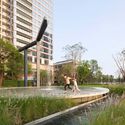
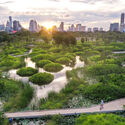
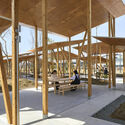
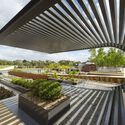
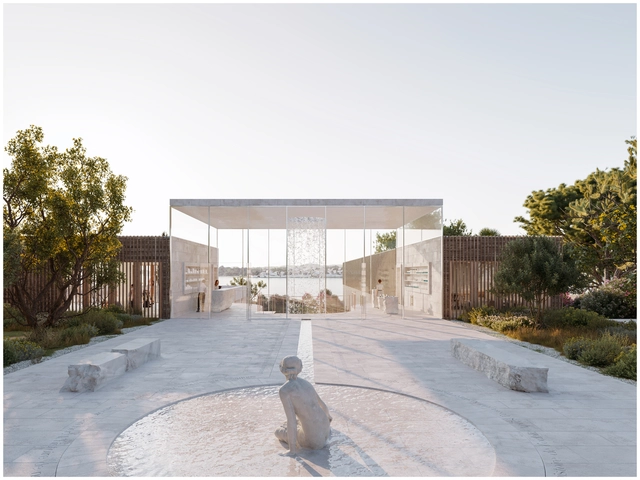
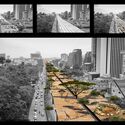
Anan Alsama designed by Fatimah Alabid, Masud Alzunaifer, and Maha Alesawi. Image Courtesy of Mujassam Watan
In the city, aesthetics are not measured by the height of towers or the width of roads, but by their ability to evoke meaning within space. From this perspective, the Mujassam Watan initiative emerges as more than a mere artistic endeavor. It involves a deliberate attempt to redefine the relationship between people and place, between material memory and imagined identity. In the city of Khobar, in the Kingdom of Saudi Arabia—where urban modernity intersects with rapid social transformation—this initiative raises the question: How can a sculpture become an open text, one that is both visually read and experientially felt?
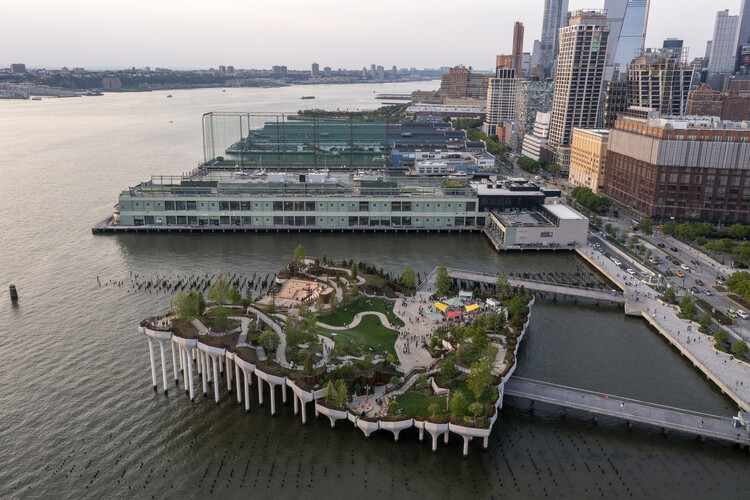
Coastal development in major cities has long been a terrain of opportunity and contention—shaped at once by the pursuit of capital (premium views, scarce land, and the promise of reclamation), by civic demands for public access and collective waterfront life, and by contemporary aspirations for sustainability and place-defining urban identity. Precisely because these agendas rarely align, extracting the full potential of waterfront sites is never straightforward.
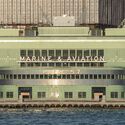
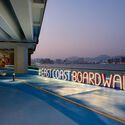
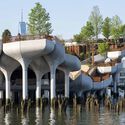
Yet in New York City and Hong Kong, we can trace each city's ambitions—despite differing strategies, priorities, and political logics—through a set of keystone projects that anchor their coastlines. Read together, these projects reveal not only what each city chooses to value, but also what it is willing to trade off in order to build at the edge.
The Centre de Cultura Contemporània de Barcelona (CCCB) announces the 13th edition of the European Prize for Urban Public Space. Since 2000, this biennial honorary competition recognizes the best interventions to create, transform and recover public spaces in European cities. For the first time, in this edition the time limit for works submitted is extended to 5 years (completed between the months of January 2021 and December 2025). The call for entries will be open for two and a half months, from 10 December to 26 February.
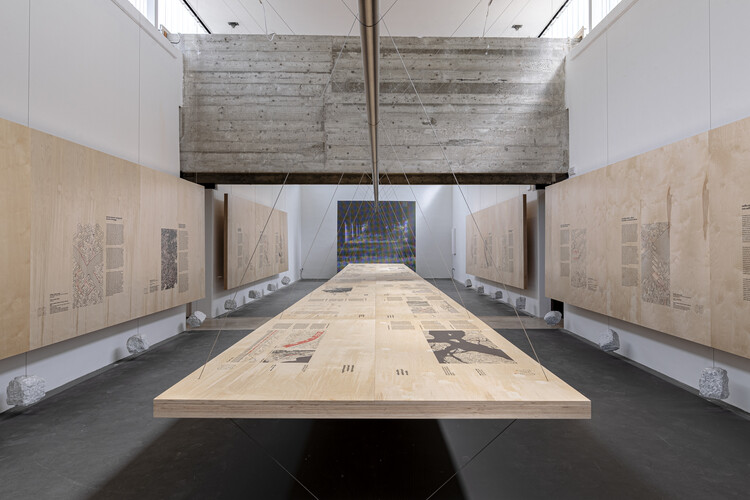
The Brazilian Pavilion at the 19th International Architecture Exhibition – La Biennale di Venezia, open since May 10, 2025, is curated by Plano Coletivo, a group formed by architects Luciana Saboia, Eder Alencar, and Matheus Seco. Titled "(RE)INVENTION," the exhibition represents Brazil through a multidisciplinary approach that connects architecture, nature, and social infrastructure. Presented at the Giardini pavilion, the project is organized by the Fundação Bienal de São Paulo in collaboration with Brazil's Ministry of Culture and Ministry of Foreign Affairs. The exhibition reflects on the recent archaeological discovery of ancestral infrastructure in the Amazon to examine the socio-environmental contradictions of contemporary cities. It invites visitors to learn from ancestral knowledge and explore the interdependence between humans, land, and nature as a foundation for more sustainable futures.
As cities continue to develop, we are seeing ever more well-planned, thoroughly executed, and tightly regulated approaches to shaping urban centres and their surrounding spaces—for better and for worse. As codes, restrictions, and guidelines improve and tighten, urban environments become safer, more balanced, and less prone to surprise. Yet the flip side is that highly managed districts can drift toward over-order and sanitisation, shedding the messy, accretive character that once produced alleyways, residual spaces, and unexpected sequences of movement—conditions often born from ongoing community improvisation in the grey zones of regulation.
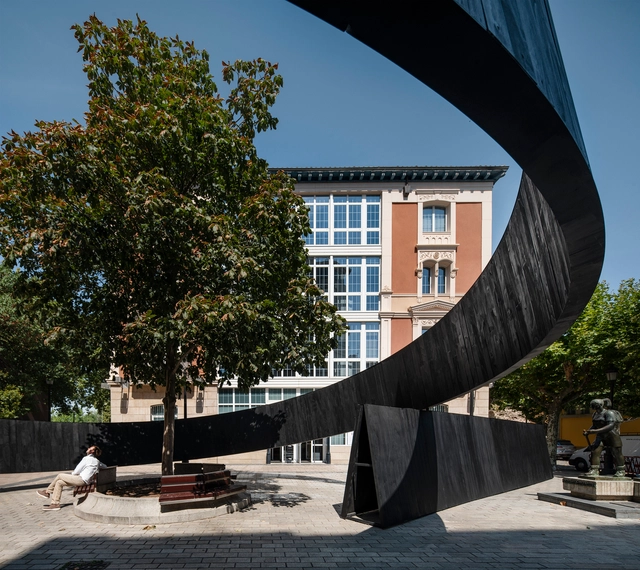
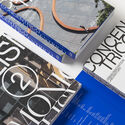
In response, a growing number of initiatives around the world are proposing short-term urban installations that test alternate futures for the city. These works aim to provoke dialogue between what the city is and what it could offer its communities through thoughtful, context-specific spatial practices. One notable example is Concéntrico, the international festival in Logroño, Spain, conceived as an urban innovation laboratory. Marking its tenth edition, the festival is about to publish Concéntrico: Urban Innovation Laboratory, a book that surveys a decade of urban design and collective transformation shaped through successive editions of the festival. Its launch is paired with an international tour designed to share a decade of insights on collective transformation and design.
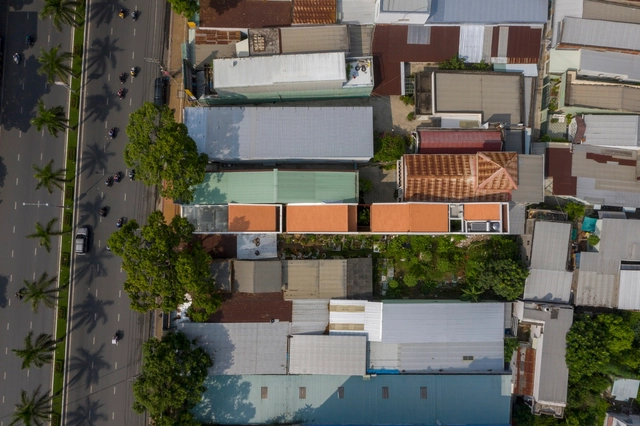
Behind facades lie vibrant lives, where the exterior melds with the interior, transforming neglected urban spaces into captivating residences. In cities around the world, architects, engineers and designers face the challenge of integrating new buildings into existing urban landscapes with limited space. Many architects are now embracing this concept, expanding their designs beyond conventional boundaries and transforming small city lots into layered and interconnected living spaces.
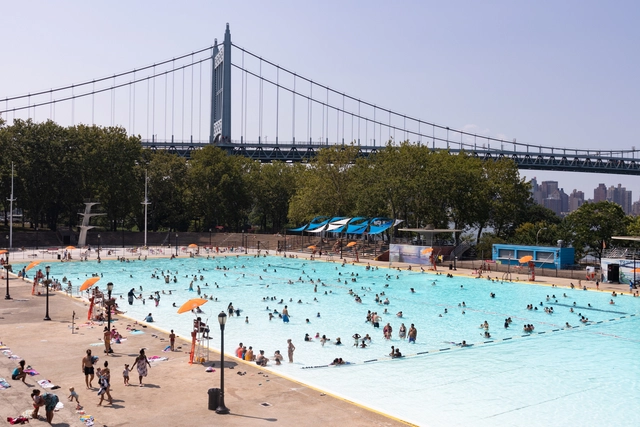
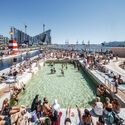
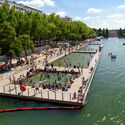
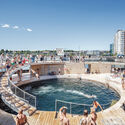
When one thinks of public spaces, the image of a pool rarely comes to mind. Public spaces are the center of civic life, places where most interactions, activities, and behaviors follow strict social and cultural norms to ensure the safety and comfort of all users. In contrast, swimming and bathing represent something more intimate and primordial, a sensorial experience distinct from any other. In addition to the health benefits, the act of floating in space creates a break from everyday life and its constraints.
As social spaces, public baths, and pools offer an even more unusual experience. Here, regular conduct rules and norms no longer apply. Social nudity becomes the new norm, and, as people strip off their clothes, they also lose their status markers, transforming the pool into an egalitarian oasis. Across history, these often-discredited spaces offered a heightened social experience, fostering connections and bringing a new element to dense urban environments. As a typology present since antiquity, public baths and pools have also been a disputed space, as a manifestation of difficult topics such as gender and racial segregation, gentrification, and surveillance in contrast to the freedom they promise.
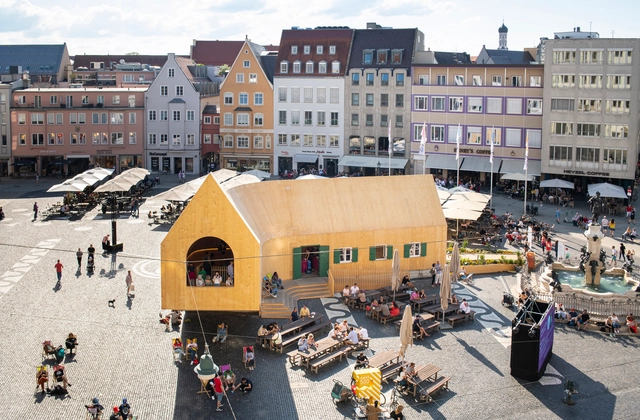
How do pavilions emerge in architecture? What role do they play in urban spaces? Beyond the multiple interpretations that exist around the world, the pavilion, as an architectural principle and typology, tends toward extroversion, often associated with a centrifugal nature and visual openness toward the horizon, which is linked to its origins as a tent offering shelter from the elements. Pavilions are usually identified as isolated and independent structures that can promote lateral openings in the urban space, panoramic or introspective views, technological reflections, and material experiments that are recognizable from the outside or once inside.
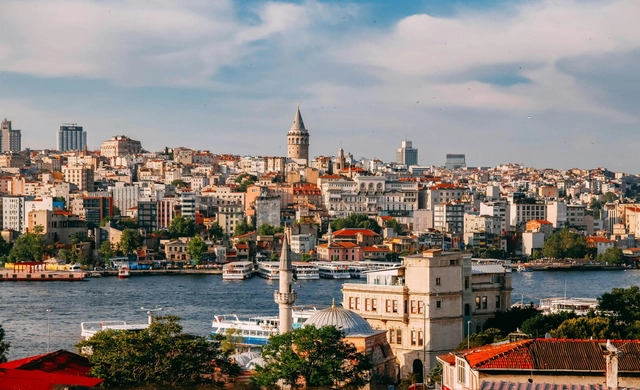
On April 23, 2025, a 6.2 magnitude earthquake in the Sea of Marmara struck Türkiye's largest city, Istanbul, causing widespread panic and injuring over 230 people, primarily due to falls and panic-induced accidents. Over the course of the day, at least 272 aftershocks were recorded, with the strongest reaching a magnitude of 5.9. According to an initial statement by Minister of the Interior Ali Yerlikaya, there was no major destruction apart from the collapse of a single abandoned building. However, the event has reignited public and professional discourse around the city's preparedness for a much larger seismic event, long anticipated by experts monitoring the North Anatolian Fault.
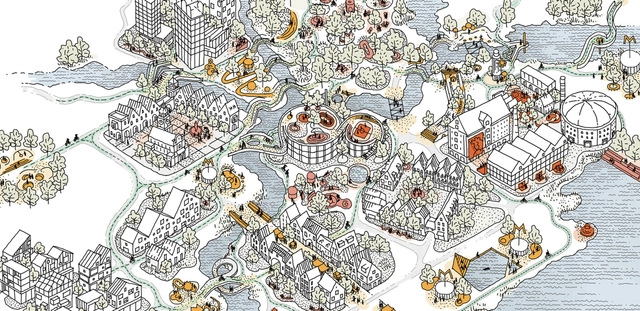
Henning Larsen has just launched a new initiative in Esbjerg, Denmark, aimed at rethinking urban spaces through the perspectives of teenage girls. Developed in collaboration with Esbjerg Municipality, Ramboll, Catapult Projects, and KOMPAN, the project builds on research from the Urban Minded framework to explore how co-creation can shape more inclusive public environments. Supported by a 2.3 million DKK grant from the Villum Foundation and 485,000 DKK from the Ramboll Foundation, the initiative seeks to address an often-overlooked demographic in urban planning. As cities continue to evolve, conversations around gender-inclusive urban spaces have gained momentum, particularly in light of International Women's Day.
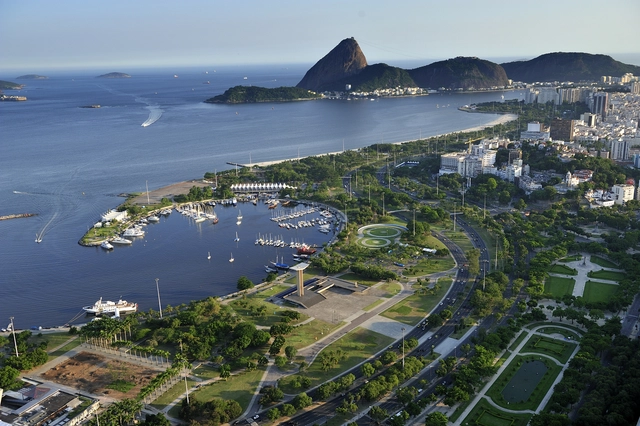
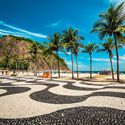
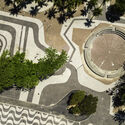
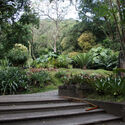
From the 1930s to the 1990s, Burle Marx's work anticipated many of today's concerns about sustainability and urban well-being. Long before terms like "sustainable design" or "green infrastructure" became commonplace, Burle Marx was already advocating for the use of native plants, recognizing their role in creating self-sustaining ecosystems that required minimal intervention. His projects often transformed neglected urban areas into vibrant, ecologically balanced spaces that not only improved the environment but also enhanced the quality of life for city dwellers.
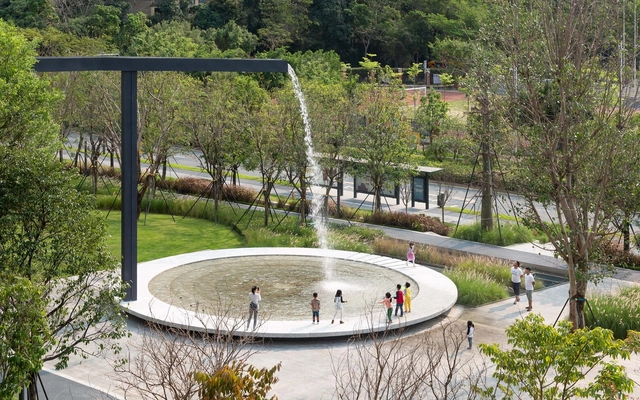
Due to climate change, heat waves are becoming increasingly frequent and intense, and they present a critical challenge for the design of urban spaces. Elevated temperatures exacerbate public health issues, increase energy consumption, and diminish cities' overall quality of life. Urban design must adopt strategies that promote resilience to mitigate these effects rather than merely replicating traditional formats that do not address the thermal stress experienced by many.
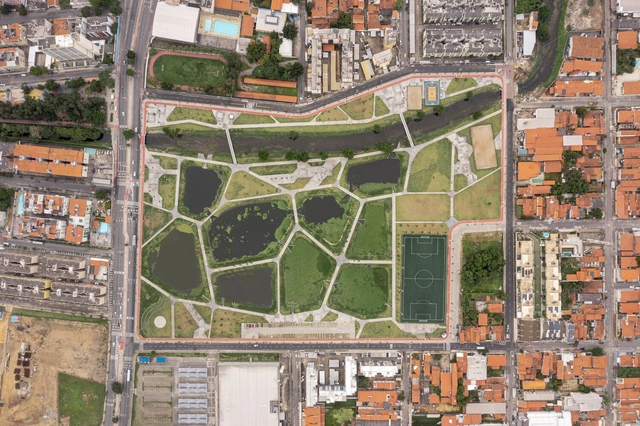
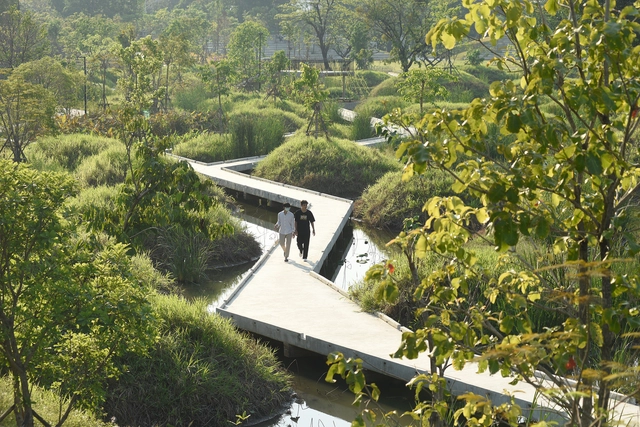
For quite some time, we have recognized the positive effects of urban green spaces, interaction with nature, water, and soil, and the associated health and well-being benefits for residents living next to parks. The significance of this matter has been further underscored, particularly in the aftermath of the panic induced by the Covid-19 pandemic. However, the present moment once again highlights the influence of our urban models on modern life, now grappling with unprecedented extreme temperatures.
Delving into the realm of unbuilt architectural projects by renowned offices offers a peak into the design principles and ethos of the studios. The curated list of unbuilt projects submitted by established architecture practices has the potential to reveal new perspectives on the socio-cultural and environmental factors shaping contemporary architecture. These designs often respond to complex challenges such as sustainability, urbanization, and cultural preservation, reflecting architects' efforts to navigate and contribute meaningfully to the built environment.
Within this curated selection, one standout project is Rafael Viñoly Architects' Médano El Pinar, marking the late architect's last contribution to the architectural landscape. Other projects such as Aedas' Ellinikon Commercial Hub explore the opportunities of new developments, such as the disused airport transformed into Europe's largest coastal park in the periphery of Athens, while others are highlighting natural landscapes or offering spaces for creative and innovative programs. Featuring internationally recognized offices like SOM, Kohn Pedersen Fox, Gensler, or GAD Architecture, the selection showcases the unrealized concepts and architectural experimentations of renowned offices.
Every year, Earth Day, celebrated on April 22, presents us with an opportunity to contemplate the conditions of our planet and our impact upon it. Generating around 37% of global carbon emissions, the construction industry has an important, often detrimental, role to play, thus placing an increasingly urgent responsibility on architects and builders to devise strategies for reducing this number. Still, the built environment represents the habitat for most of humanity, and so it has the potential to protect and shelter people from the risks posed by the changing climate. Read on to discover a collection of articles delving into the strategies available at urban and architectural scales for mitigating the effects of climate change and minimizing the industry’s impact upon it.
In an age where humanity's detrimental impact on the environment has become increasingly evident, the concept of rewilding is emerging as a powerful approach to conservation and ecological restoration. In line with growing attention on landscape architecture in recent years, the idea of removing human intervention from our natural surroundings in order to restore a stable equilibrium seems to offer a low-effort, ethereal way to right fundamental climate wrongs. But is a lack of meddling in nature really all there is to rewilding, and how does this relate to architecture and design? We look at key concepts, applications, and examples to find out.
The Estonian Centre for Architecture is presenting the exhibition “Square! Positively shrinking” curated by Jiří Tintěra, Garri Raagmaa, Kalle Vellevoog, Martin Pedanik, and Paulina Pähn, in the Pavilion of Estonia at the 17th International Architecture Exhibition of La Biennale di Venezia. Hosted in the Arsenale complex, the project will “explore the role of high-quality urban space in enhancing the future development of small towns that are in jeopardy of depopulation, […] sparking a debate on the lesser-known facet of urbanization”.
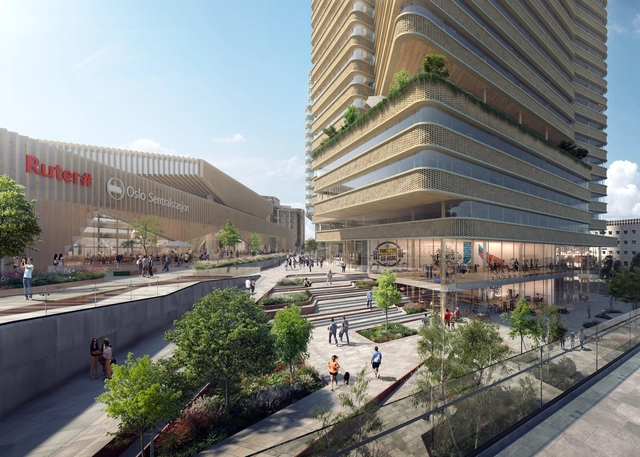
C.F. Møller Architects have collaborated with Kristin Jarmund Architects and Rodeo Architects in the design of a new urban realm at Oslo Central Station in Norway, comprising a square, hotel, and high-rise building. The scheme seeks to create an attractive recreational area around the transport hub, connecting different areas and terrain differences in an organized, efficient flow.
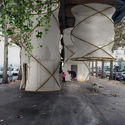
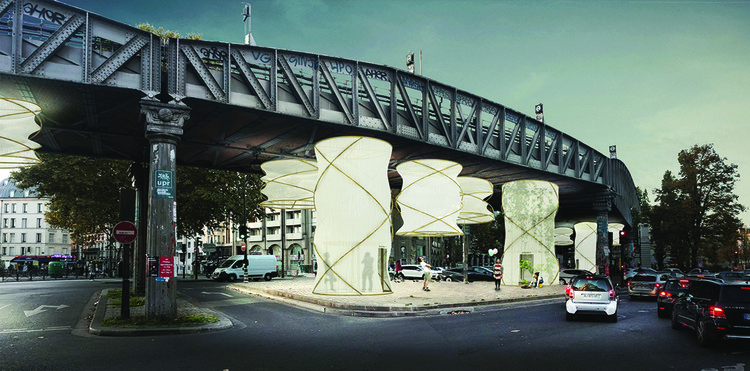
As hundreds of refugees continue to arrive in Paris, France, the city faces an ongoing struggle to find safe and suitable housing for the influx of migrants. As a result, many end up sleeping in underused urban spaces or on the side of the road with almost no access to water, sanitation, and food.
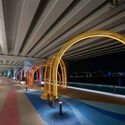
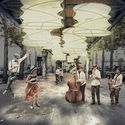
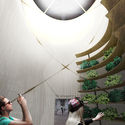
In response, Paris- and Santiago-based firm 1week1project in collaboration with Sophie Picoty unveil their design for a speculative public park titled “Illuminate Paris!” beneath an elevated railway bridge to provide additional support for organizations handling the influx of refugees. This modular “field of experiences” features a series of lantern-like environments forming a canopy along the underside of the bridge that allows for much-need space for migrants who are currently forced to sleep in encampments under similar infrastructure and in parks.