Vishaan Chakrabarti
https://uncertain.substack.com/p/vishaan-chakrabarti-rough-transcript






Vishaan Chakrabarti
https://uncertain.substack.com/p/vishaan-chakrabarti-rough-transcript
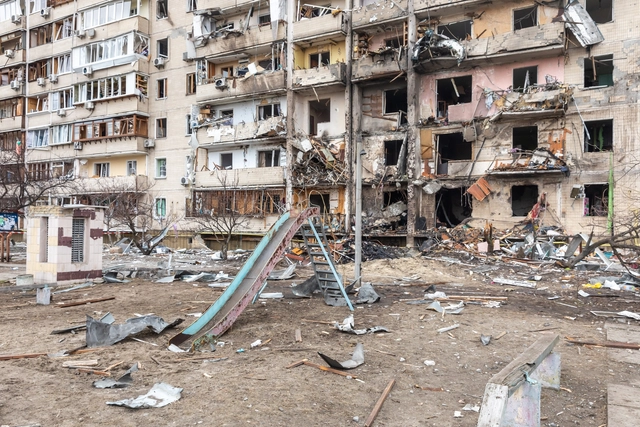
This week marks six months since Russia launched its war and invaded cities in Ukraine, causing detrimental destruction on a local and global scale. Since the beginning of the war, millions of Ukrainians have been internally displaced, losing their homes, businesses, and families. UNESCO has verified damage to 139 sites, including 62 religious sites, 12 museums, 26 historic buildings, 17 buildings dedicated to cultural activities, 15 museums, and seven libraries across Kyiv, Chernihiv, Kharkiv, Zaporizhzhya, Zhytomyr, Donetsk, Lugansk, and Sumy.
To help mitigate the devastating repercussions of the war on Ukrainians and the country's heritage, several humanitarian, preservation, and economic initiatives have been put in place by NGO's and governments from across the world.





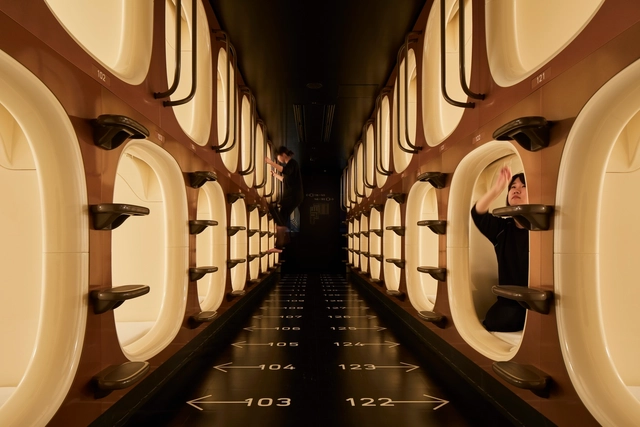
The capsule hotel is typically representative of the image that many people have of Japan, combining dense use of space, technical ingenuity, and a futuristic vibe. Capsule hotels, also known as pod hotels, are one of Japan’s best-known and unique types of lodgings. Typically located around major public transportation hubs in large metropolitan cities, they target individuals looking for a low-budget, single-night stay.
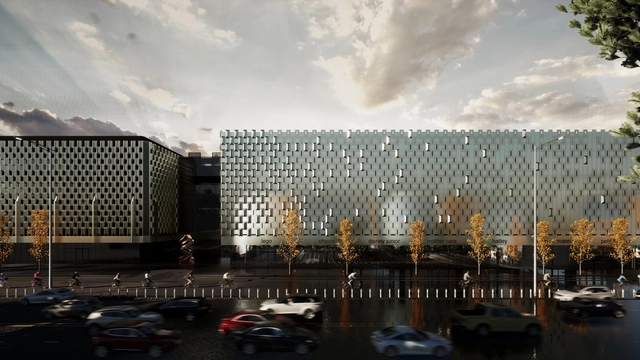
Following news of Edelburg Development's plans to completely remodel the modernist facade of Dytiachyi Svit (Kids’ World), one of Kyiv's most notable modernist buildings from the Soviet era, and replace it with an "unrecognizable" vibrant and contemporary design, members of the community and activists protested against the intervention, forcing all parties to agree on a design competition to restore the historical facade. Dmytro Aranchii Architects was selected as the winner of the competition, with a proposal that "traces the transition from the original building to the new one" in a minimalistic and recognizable stylization, preserving the original facade and complimenting it with a contemporary intervention.
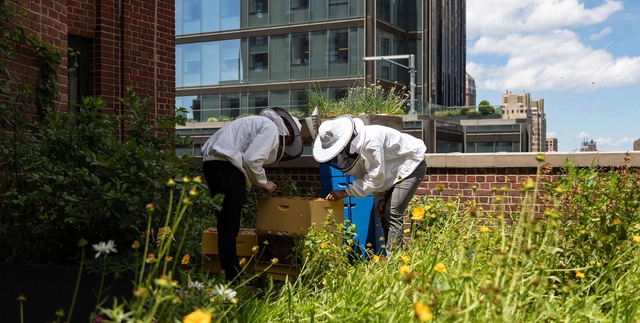
Food production is directly reliant on bees, and their disappearance could lead to catastrophic effects on humanity. There are alarming reports all over the internet about how these little insects are dying. According to the Food and Agriculture Organization of the United Nations (FAO), 75% of the world's food crops rely on bees. For example, it is only possible to have a juicy and well-developed strawberry if dozens of bees go by the flower at the right time and pollinate it. Without them, it would look more like a raisin.
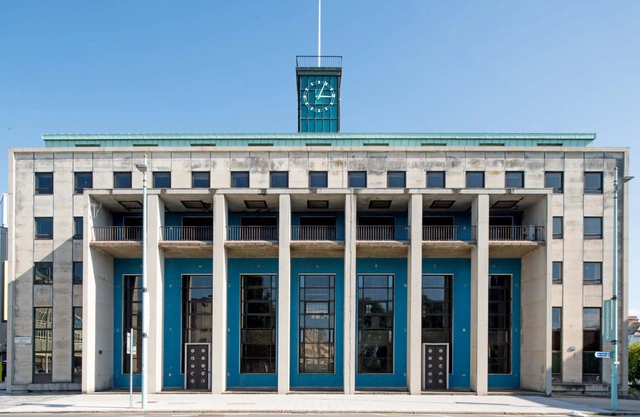
The term “mid-century modern” conjures up images of a sharp-suited Don Draper, slender teak cabinets, and suave chairs from Scandinavia. That is, at least, one perspective of the design movement and a view more of 1950s-era Manhattan offices than anything else. But in Britain, mid-century modernism manifested as something slightly different, coming in the form of schools, cathedrals, housing, and an era-defining festival, all eloquently described and illustrated by the prolific architectural historian Elain Harwood in Mid-Century Britain: Modern Architecture 1938-1963.

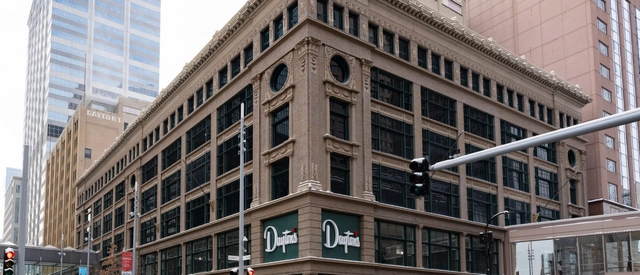
This article was originally published on Common Edge.
"For more than a generation, federally funded historic tax credits (HTCs) have been instrumental in incentivizing developers to revive and reuse historic buildings and keep them economically viable, rather than replace them with shiny new objects. These credits create jobs, promote responsible development, and leverage billions in private investment to enable income-generating buildings". Read the interview between Justin R. Wolf and Meghan Elliott, founding principal of New History, a firm specializing in adaptive reuse.

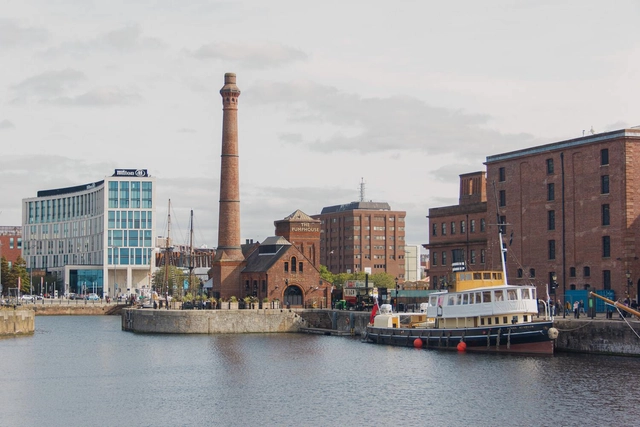
This month, UNESCO has announced a series of decisions concerning important heritage sites, giving rise to conversations around preservation and urban development. Last week, the World Heritage Committee decided to strip Liverpool of its heritage status, as the new developments are considered detrimental to the waterfront's integrity. These projects placed the city on the List of World Heritage in Danger in 2012, a designation which Venice managed to avoid earlier this week, due in great part to the recent ban on cruise ships.
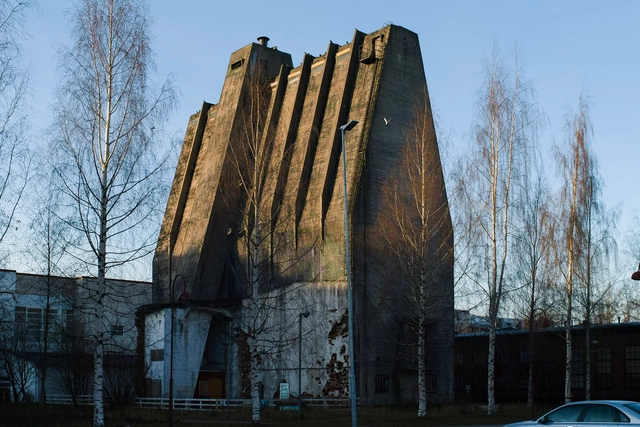
Skene Catling de la Peña and Factum Foundation are transforming Alvar Aalto’s iconic wood chip Silo into a research Centre promoting architectural preservation and re-use. The AALTOSIILO, a cathedral-like concrete structure “will become a point of focus for digitizing and communicating the importance of the industrial architecture of the north and – in turn - the impact industry has had on the environment”.
.jpg?1592208513&format=webp&width=640&height=580)
Menokin Foundation has begun construction on its “Glass House Project”, a new initiative in the preservation of historic landmarks. Protecting what remains from the 1769 house, the intervention will replace missing walls, floors, and sections of the roof with glass. Designed by Machado Silvetti, in collaboration with glass engineer Eckersley O’Callaghan, and landscape designer Reed Hilderbrand, the project will be developed in phases, to be completed in 2023.

Tour extraordinary historic homes as Pasadena Heritage presents Wallace Neff, Master Architect.
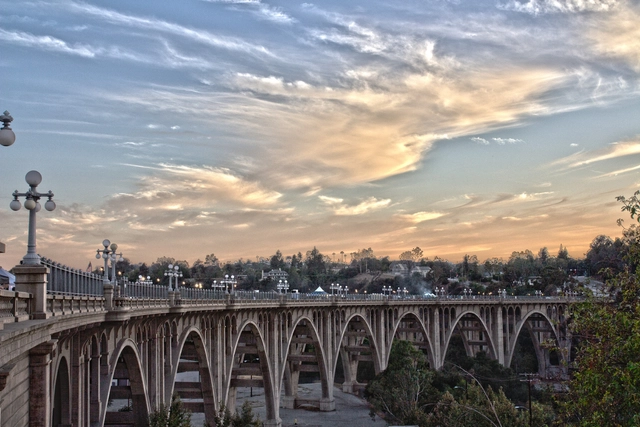
On December 30th, 2019, Pasadena Heritage invites you and your holiday guests to take walking tours featuring some of Pasadena’s unique architectural treasures and/or visit Pasadena Heritage’s 1893 headquarters to see a presentation featuring Pasadena’s historic architecture in the movies! Attendees have the opportunity to participate in two different walking tours and the movie presentation, each with a 10:00 a.m. or 1:00 p.m. start time!

Anna Saint Pierre's Granito project is harvesting the ingredients for new architectural building blocks from demolished structures.

Rapid urban change comes and goes without many even noticing it. Entire slices of a city’s history disappear overnight: What was once a wall of hewn stone is now fritted glass and buffed metal. The building site is always, first, a demolition site.
This is the thread that runs through Granito, a project by the young French designer and doctoral researcher Anna Saint Pierre. Developed in response to a late-20th-century Paris office block due for a major retrofit, one involving disassembly, it hinges on a method of material preservation Saint Pierre calls “in situ recycling.” Her proposal posits that harvesting the individual granite panels of the building’s somber gray facade could form the basis of a circular economy. “No longer in fashion,” this glum stone—all 182 tons of it—would be dislodged, pulverized, and sorted on-site, then incorporated into terrazzo flooring in the building update.
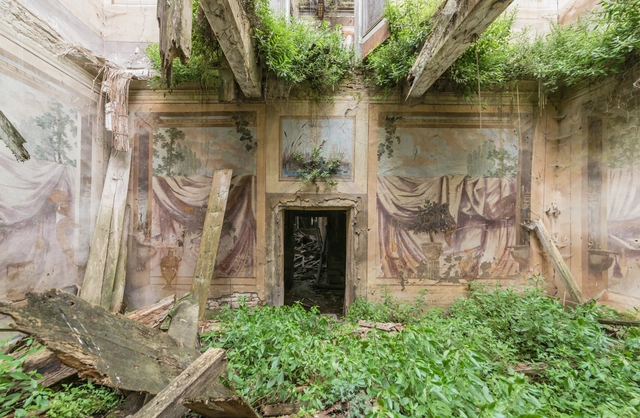
Magic lies in architectural ruins. Beneath the dirt and mold, fractured walls and deserted rooms still stand, preserving the remains that have lingered long after their owners' departure.
During his explorations of abandoned places across Europe, photographer Romain Veillon stumbled upon enchanting frescoes and paintings that were left to fade in the parlors of the aristocrats. Veillon became keen on finding more of these imaginary museums across the continent, and to his chance, managed to discover many in France, Germany, Italy, Ireland, and Portugal.
Before their art is forgotten and their houses quietly rust away, Veillon captured the murals found in these haute bourgeoisie family houses, which illustrate stories of the cities they lay in and the people they once belonged to.
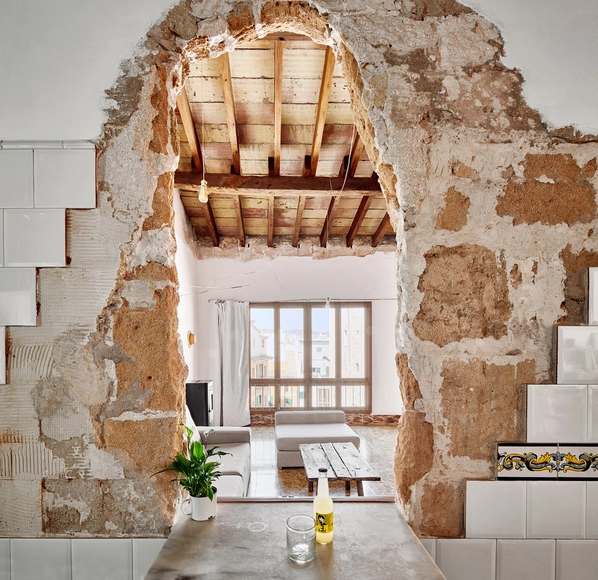
If walls could speak, they would have the most stories to tell - stories of antiquity, war, scandal, and reconciliation. Approaches to preservation are as varied as the architects behind them, but many take on the challenge with flair and restraint in equal measure. It is common to see preservation that combines ancient structure with contemporary features, creating beautiful combinations of old and new.
Take a look at some architectures from our projects database that highlight the beauty in the imperfections of ruins and great combinations of used and new materials.
This collection is one of many interesting content groupings made by our registered users. Remember you can save and manage what inspires you on My ArchDaily. Create your account here.
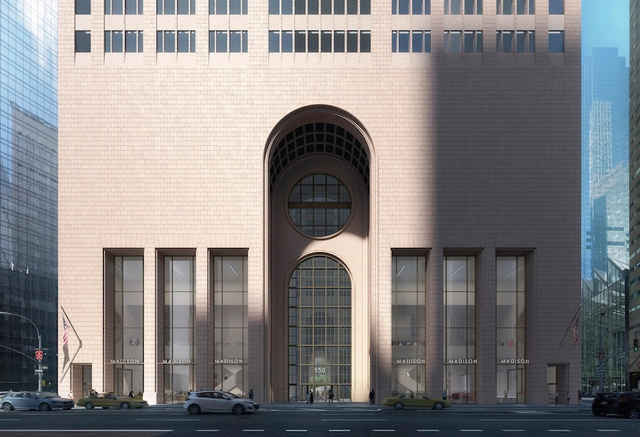
Labeled as "vandalism" and "murder" of an icon of postmodernism, Oslo-based firm Snøhetta's redesign proposal for Phillip Johnson and John Burgee's AT&T Headquarters was received with instantaneous backlash across the architectural community last year. Architect Robert A. M. Stern, marched alongside a protest outside 550 Madison Avenue, and even critic Norman Foster, who never claimed to have any sympathy for the postmodern movement, still vocalized his sentiments that "[the building] is an important part of our heritage and should be respected as such."
A rejection of the bland and cold functionality of Midtown's crystal skyscrapers, the AT&T building was intended to encourage a more playful approach architecture in the corporate world; the crazy socks beneath a three-piece suit. It was not without controversy. Upon its completion, the building was derided for its decorative and outsized pediment and occasionally dark interior spaces. Indeed, the building's arched entry spaces were among the only architectural elements to be met with praise from both critics and the public.

In its 27th year, Pasadena Heritage will present the Annual Craftsman Weekend on November 9-11, 2018. The weekend will feature house tours of notable Craftsman properties, along with bus and walking tours of the surrounding neighborhoods. Other events scheduled include a 'Show and Sale' with exhibitors of antique and contemporary furniture and decorative arts, a silent auction, workshops, and presentations. In addition, Pasadena Heritage will be offering exclusive receptions at historic locations throughout the weekend.
Download the information related to this event here.

After carefully deliberating in their annual session, UNESCO's World Heritage Committee selected 19 new sites to inscribe on the World Heritage List in the city of Manama in Bahrain. Featuring 13 cultural sites such as Buddhist mountain monasteries in Korea, the industrial city of Ivrea in Italy, and the Caliphate city of Medina Azahara in Spain, alongside three natural sites and three mixed sites (classified as both cultural and natural heritage), the list now aggregates to 1092 sites in 167 countries.
From the historical Sultan Ahmed Mosque in Istanbul to the contemporary city of Brasilia orchestrated by Oscar Niemeyer, the World Heritage List has continuously exhibited varied examples of architecture and urban planning from different eras and movements from around the world. Amongst the new additions, there are several sites of religious importance, city organization, and natural conservation.








.jpg?1544343835 "Courtesy of LMNB & Snøhetta")
.jpg?1544343847 "Courtesy of LMNB & Snøhetta")