

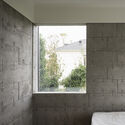
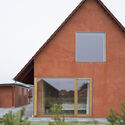
Pihlmann Architects is a young Copenhagen-based architectural run by Søren Pihlmann. In this interview with Louisiana Channel, the rising architect elaborates on his unique practice, the values he holds, and what he finds fascinating about architecture. Most notably, Pihlmann explains that his view on the practice has transformed from being an architect into becoming a type of curator, selecting very few things with great sensitivity.
Sustainable Architecture: The Latest Architecture and News
"Building Simply" with Søren Pihlmann: Exploring the Values and Fascinations of Architecture


https://www.archdaily.com/1002824/building-simply-with-soren-pihlmann-exploring-the-values-and-fascinations-of-architectureNour Fakharany
RIBA Announces the 30 Winners of the 2023 National Awards
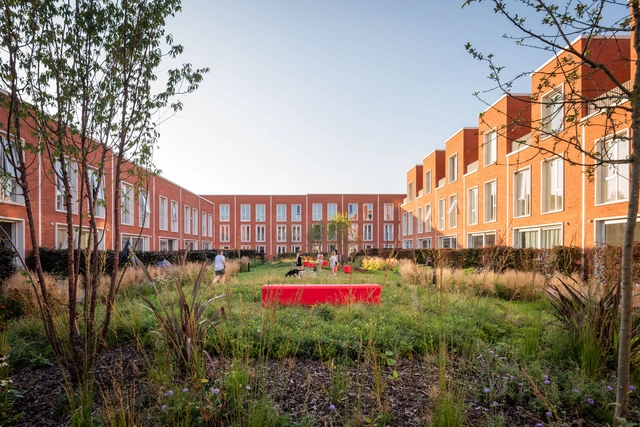
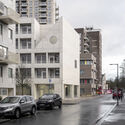
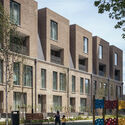
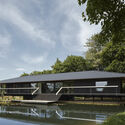
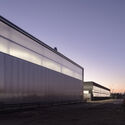
The Royal Institute of British Architects (RIBA) has announced the 30 winners of the 2023 RIBA National Awards for Architecture, providing an insight into the country’s architecture, design, and social trends. Among the key themes observed this year, the need to rebuild communities and to find sustainable ways of practicing stand out as the main concerns of the participant architects. The response to these themes is varied, ranging from buildings that aim to offer opportunities for collaboration for students to creating stimulating social spaces for the elderly or providing creative programs at a neighborhood scale. All the projects selected have been in use for at least one year and have provided data regarding their environmental performance. Examples of sustainable design include both new buildings, following the Passivhaus certification, and renovation of existing structures.

https://www.archdaily.com/1002825/riba-announces-the-30-winners-of-the-2023-national-awardsMaria-Cristina Florian
Stockholm Wood City: Construction of the World's Largest Urban Development Project in Wood to Begin in 2025
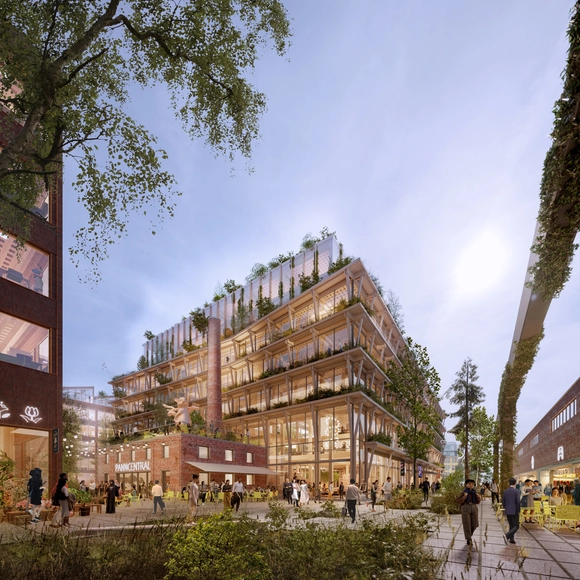
Atrium Ljungberg has just revealed Stockholm Wood City – the world's largest urban construction project in wood. Construction on the project is expected to begin in 2025, and the first buildings are expected to be completed in 2027. The initiative is a demonstration of Swedish sustainability.
The largest wood-building project in the world is now in progress, covering an impressive 250,000 square meters. The project sets a sustainable example for the real estate market, which is essential because built structures contribute a sizeable 40% of the world's CO2 emissions. Furthermore, Stockholm Wood City is set to become a turning point in sustainable architecture and urban planning. Situated in Sickla, southern Stockholm, this innovative neighborhood will offer an additional 2,000 houses and 7,000 business spaces. By merging workplaces, homes, neighborhoods, dining establishments, and retail spaces, it aims to create a vibrant and dynamic urban environment.
https://www.archdaily.com/1002823/stockholm-wood-city-construction-of-the-worlds-largest-urban-construction-project-in-wood-to-begin-in-2025Nour Fakharany
Designing for Water Scarcity: How Architects are Adapting to Arid Environments
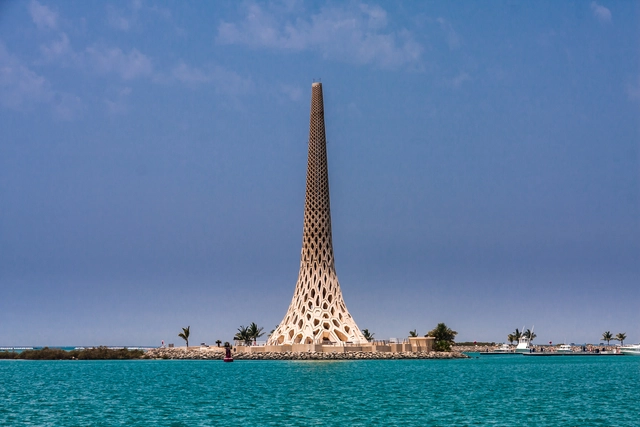
An arid environment refers to specific regions characterized by a severe lack of available water and extremely dry weather conditions. More specifically, arid regions by definition, receive less than 25 centimeters of rain per year. In the immense vastness of arid environments, where extreme climates present significant challenges, the role of water in architecture takes on a new dimension.
For centuries, architects and designers dealing with harsh desert landscapes and the vital necessity of water have invented techniques, technologies, and new structures. Moreover, many creative approaches have been created to harness, collect, and cool water in arid environments.


https://www.archdaily.com/1002473/designing-for-water-scarcity-how-architects-are-adapting-to-arid-environmentsNour Fakharany
How Water Responds to Land Reclamation in Coastal Cities
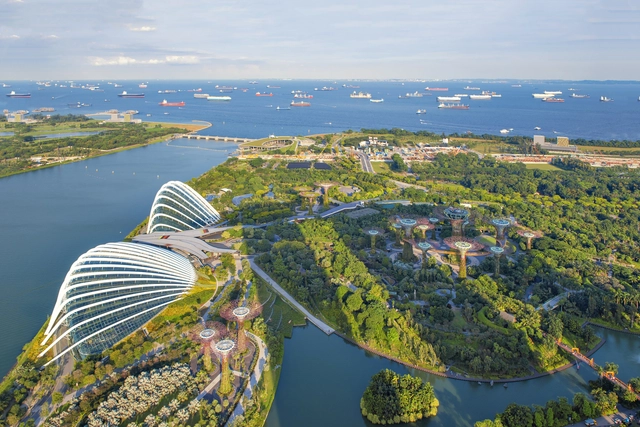
Land reclamation from the sea has become a popular phenomenon in coastal development. It is the most preferred solution to the need for land in coastal areas and has been implemented for various use cases, including flood control and agriculture. Nowadays, it has become a famous urban response to the rapid increase in coastal urbanization, economic activity, and global population. Countries like China and the Netherlands lead the chart on the amount of land area reclaimed. However, most reclamation projects today take place within urban centers in the global south. Cities in West Africa, East Asia, and the Middle East produce these new lands as economic forerunners for their commercial industry and as platforms to house luxury residences.
But the relationship between the design and production of reclaimed lands and the response of water in ocean environments is complex. It requires a symbiotic relationship with water bodies for stability but can provoke natural forces when negligently imposed on the sea. Ocean water behaviors, including tidal accumulation, sea level rise, connection to wetlands, and aquatic biodiversity, can question the success or failure of land reclamation projects in different contexts.


https://www.archdaily.com/1002420/how-water-responds-to-land-reclamation-in-coastal-citiesPaul Yakubu
Mecanoo, in Partnership with Marvel, Reimagines the Doris Duke Theater Lost to a Fire in 2020
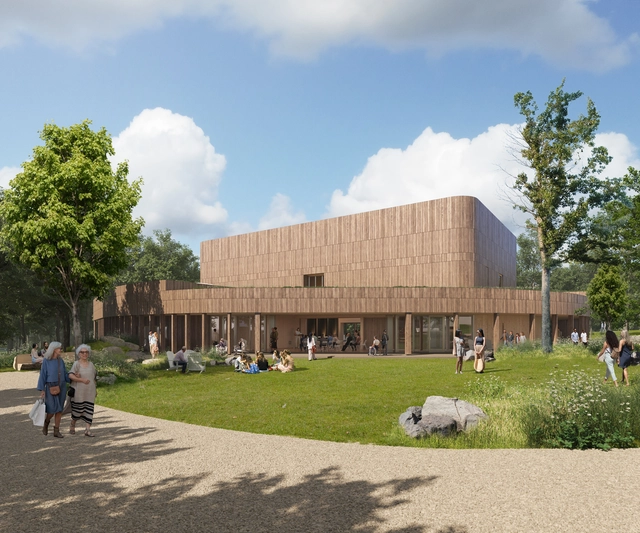
Jacob's Pillow has revealed its plans for the redesigned Doris Duke Theater, which will be built on the original site of the theater that was destroyed by a fire in November 2020. Mecanoo, based in the Netherlands and led by Creative Director and Founding Partner Francine Houben, has taken on the role of lead architect for the new building project, collaborating with Marvel, based in New York and led by Jonathan Marvel, who serves as the project's architect of record and landscape architects.
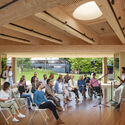
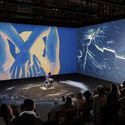
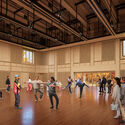
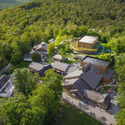

https://www.archdaily.com/1000585/mecanoo-in-partnership-with-marvel-reimagines-the-doris-duke-theater-lost-to-a-fire-in-2020Nour Fakharany
URB Reveals World’s Largest Ocean Restoration Project in Dubai
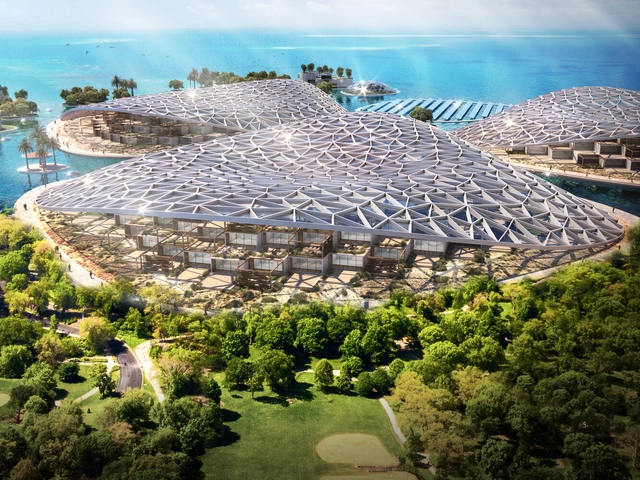
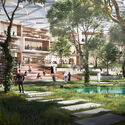
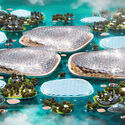
URB has revealed 'Dubai Reefs,' a floating living lab designed to restore marine ecosystems and promote ecotourism. The project's primary objective is to generate over 30,000 employment opportunities within a green economy in the city. Dubai Reefs encompasses a sustainable floating community dedicated to marine research, regeneration, and ecotourism, comprising residential, hospitality, retail, educational, and research facilities.


https://www.archdaily.com/1001905/urb-reveals-worlds-largest-ocean-restoration-project-in-dubaiNour Fakharany
The Meteoric Rise of Cross-Laminated Timber Construction: 50 Projects that Use Engineered-Wood Architecture
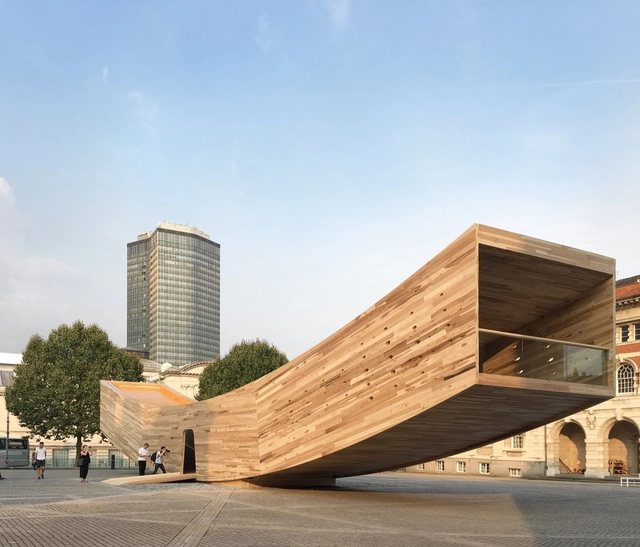
Timber is a natural, renewable material, easy to fabricate, and with low-carbon emissions. As a construction material, however, when put under enough directional force along its grain, sawn timber is structurally unstable, so deemed unsuitable under higher loads. In comparison, the manufacture of cross-laminated timber (CLT) involves simply gluing multiple layers of timber together at right angles. By crossing the direction of the grains, CLT achieves a far higher level of structural rigidity along both axes. CLT boards start with a minimum of three layers but can be strengthened further with the addition of more. Simply put, due to the complex physics involved in the perpendicular lamination, the strength of CLT board is similar to that of reinforced concrete, and has proven performance under seismic forces.
So what’s new? Wood’s been around for long enough now, and we’ve been using it as a building material for centuries. Surely this isn’t the first time someone’s realized it gets stronger the more you use it? Well… as you’d expect, the changing popularity of cross-laminated timber in construction does coincide with a greater understanding and focus on environmental causes, but the relationship hasn’t always been positive.


https://www.archdaily.com/996319/the-meteoric-rise-of-cross-laminated-timber-construction-50-projects-that-use-engineered-wood-architectureJames Wormald
Energetic Retrofitting: A Solution for Environmental Obsolescence in Architecture
| Sponsored Content
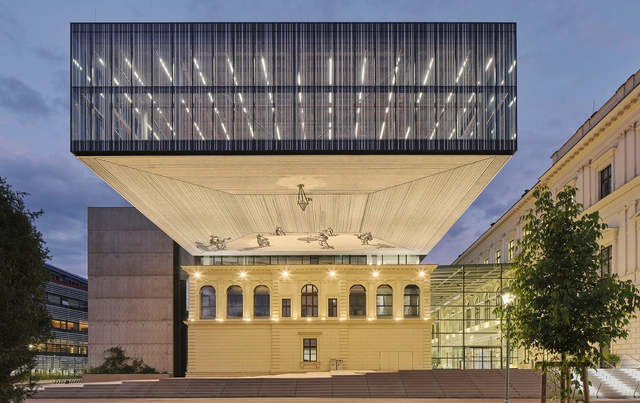
Architecture is a continually evolving form of human expression influenced by cultural and contextual factors. While many of the problems we face today aren't directly linked to architecture, it has the ability to provide or facilitate solutions to these challenges. This has been evident throughout history, as societal issues have played a significant role in shaping our built environments. For instance, during the Victorian era, the infamous "Great Stink" led to the modernization of London's drainage system and urban layout. Similarly, the 2008 recession gave rise to the sharing economy and coworking spaces. Nowadays, the climate crisis is transforming the way we conceive architecture, seeking to reduce the carbon footprint of buildings and cities to achieve the Paris Agreement objectives. Given this backdrop, what challenges should we expect in the future?
https://www.archdaily.com/1000810/energetic-retrofitting-a-solution-for-environmental-obsolescence-in-architectureEnrique Tovar
On the Work of Three Pioneering Chinese Architects: Wang Shu, Yung Ho Chang, and Liu Jiakun
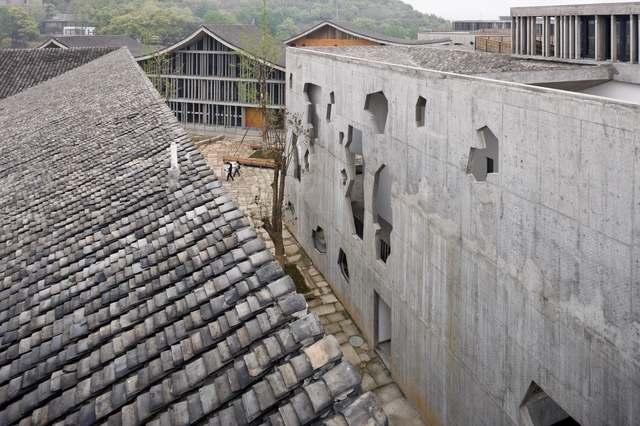
I first went to China in 2002, a year after the International Olympic Committee awarded the 2008 Summer Games to Beijing. That initial trip was about exploring nature, cuisine, ancient temples, archeological sites, and, in general, experiencing lifestyles in China, mainly outside of its major cities. I was motivated by the pure curiosity of a Western tourist driven to an Eastern country in search of the old world, the exotic, hoping to catch a glimpse of a rich traditional culture on the cusp of its inevitable radical transformation. At the time, there was no modern, or rather contemporary, architecture in China to speak of. There were only the promising first hints of the development of a potentially new architectural language being undertaken by just a handful of independent architects almost entirely under the radar.



https://www.archdaily.com/1001014/on-the-work-of-three-pioneering-chinese-architects-wang-shu-yung-ho-chang-and-liu-jiakunVladimir Belogolovsky
Circular Economy: Designing for Bioregions
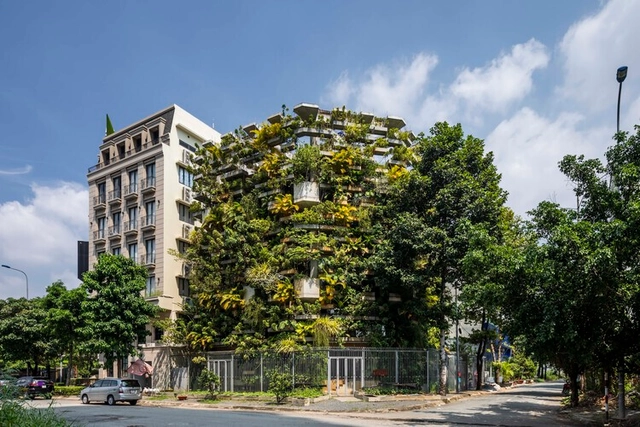
Cities are complex ecologies of intersecting natural systems and urban infrastructure. Environmental degradation has brought attention to the asymbiotic relationship between man-made and natural systems. A new economy is emerging where interdependence and environmental stewardship are valued. Designing for a circular economy requires consideration of human habitats not as towns or cities, but as bioregions.




https://www.archdaily.com/996762/circular-economy-designing-for-bioregionsAnkitha Gattupalli
The Floating Village of Ganvie: A Model for Socio-Ecological Urbanism

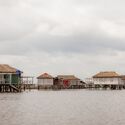
Located in the southern part of Benin-Republic, near the port city of Cotonou, is Ganvie; the largest floating village in Africa. It is situated in the middle of Lake Nokoué and is characterized by colorful wooden stilt houses arranged around artificial islands dating back to the 17th century.
This unique architecture was born from the history of the Tofinu tribe, who built it as a refuge from the slave trade. It has been sustained over time by their communal socio-ecological aquacultural systems and has now become a global tourist attraction for the country. The village was recognized as a world cultural heritage site by UNESCO in 1996, attracting up to 10,000 visitors annually. However, this influx of tourists has impacted the locals and their socio-ecological practices that sustain this water environment. Aquaculture has become increasingly challenging to maintain as the village struggles to retain its economic foundation. Additionally, traditional building practices have given way to modern ones, and the village faces ongoing environmental challenges. Nevertheless, the unique lifestyle of the locals around the water still offers many lessons for the design of prospective floating cities.



https://www.archdaily.com/1000658/the-floating-village-of-ganvie-a-model-for-socio-ecological-urbanismPaul Yakubu
OMA / David Gianotten and Circlewood Develop a Modular Wood System to Create Flexible Schools for the City of Amsterdam

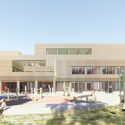
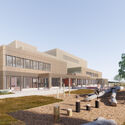
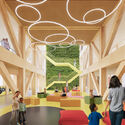
As part of the Circlewood consortium, OMA’s David Gianotten and Michel den Otter have developed a modular system to build schools that can adapt and transform throughout their lifecycle. The system was selected by the City of Amsterdam to be employed to build multiple schools in the coming ten years, as part of the Innovation Partnership School Buildings program. The citywide initiative aims to build nine to thirty “high-quality, flexible, and sustainable” schools as a way to contribute to the city’s goal of becoming fully circular by 2050.


https://www.archdaily.com/1000905/oma-david-gianotten-and-circlewood-develop-a-modular-wood-system-to-create-flexible-schools-for-the-city-of-amsterdamMaria-Cristina Florian
Away From Old Architecture: What Le Corbusier Really Meant

This article was originally published on Common Edge.
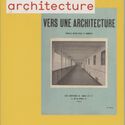
This year marks the centennial of the first edition of Vers Une Architecture, Le Corbusier’s epoch-making book. Though a new English translation appeared in 2007 to much acclaim, most other practicing architects read the first English edition that appeared in 1928, entitled Towards a New Architecture. Comparing the three editions is instructive, particularly in one crucial respect: the insertion of the word “new” in the title. The book wasn’t really about new architecture, because very little of it showed buildings in the International Style. Instead, it was in many respects a clever diatribe intended to convince Europeans that they had no choice but to renounce every kind of architecture that had been built before the Great War and begin anew. It was remarkably successful in fulfilling that aim.





https://www.archdaily.com/1000499/away-from-old-architecture-what-le-corbusier-really-meantMark Alan Hewitt
New York Based PAU Studio Selected to Design Newest Air Traffic Control Towers, Replacing I.M. Pei's Mid-Century Structures
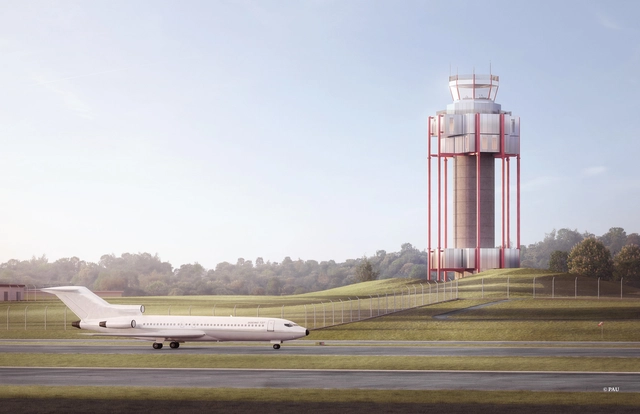
The Federal Aviation Administration has chosen the New York-based Practice for Architecture and Urbanism (PAU) studio to design the country's newest air traffic control towers. I.M. Pei's iconic mid-century towers will be replaced by PAU's adaptable and highly sustainable prototype, which offers a unique architectural solution that combines form and function for the twenty-first century. The new towers are vital to U.S. Transportation Secretary Pete Buttigieg's goal to reach net-zero greenhouse gas emissions from the U.S. aviation sector by 2050. They have been updated to reflect aviation technology, safety development, and changing environmental and climatic conditions.


https://www.archdaily.com/1000283/new-york-based-pau-studio-selected-to-design-newest-air-traffic-control-towers-replacing-im-peis-mid-century-structuresNour Fakharany
Courtyards: The Heart of Multi-Generational Houses in India
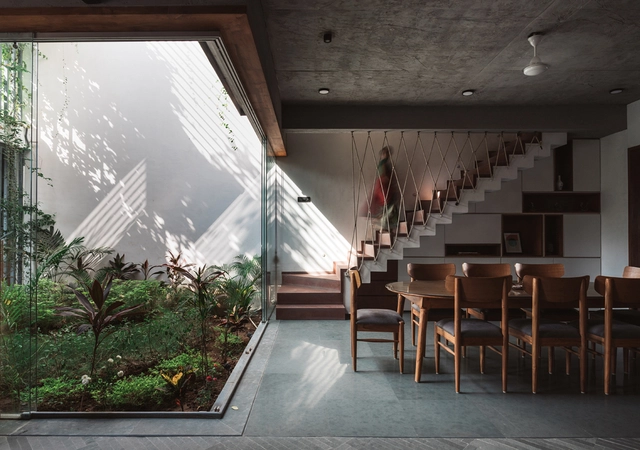
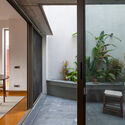
Residential architecture in India is a direct reflection of the ethnic practices and lifestyles led by its diverse citizens. The earliest houses were developed as units of larger community-centric settlements. The architecture of Indian residences is deeply enmeshed with cultural values - usually centering on the ideas of family and community relationships. A single home often shelters a large joint family and meets the needs of various age groups under one roof. Multigenerational living demands a unique spatial syntax to foster connections.




https://www.archdaily.com/995938/courtyards-the-heart-of-multi-generational-houses-in-indiaAnkitha Gattupalli
OPEN Architecture Wins Competition to Design the Yichang Grand Theatre in China
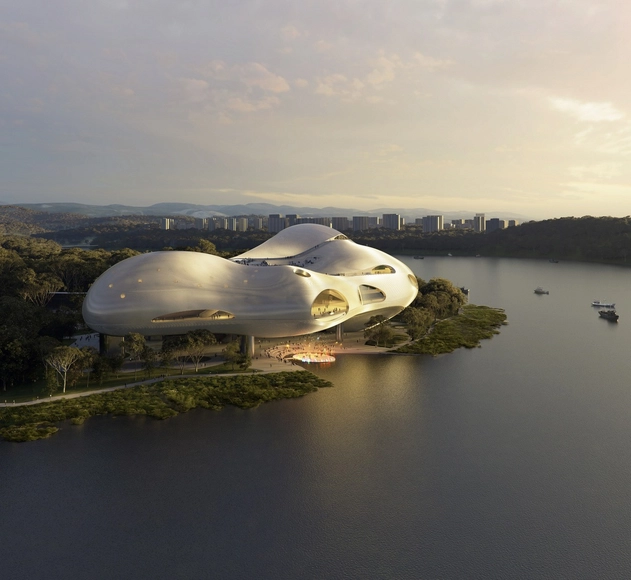
OPEN Architecture has won the competition to design the Yichang Grand Theatre in China. The project is situated where the Yangtze River and its tributary Huangbai River converge at the tip of the Pinghu Peninsula. There are about 70,000 square meters of building space overall. The performing arts center will feature a 1600-seat grand theater, a 1200-seat concert hall, a 400-seat black box, and two outdoor theatres — one on the rooftop and one by the water. It is housed within the fluid and partially floating building. The building also has rehearsal rooms, event and exhibition spaces, coffee shops, restaurants, and observation decks. The diverse lineup reflects efforts to keep the big theatre a welcoming and active gathering place for the public at all times.


https://www.archdaily.com/999407/open-architecture-wins-competition-to-design-the-yichang-grand-theatre-in-chinaNour Fakharany
MVRDV Reveals Master Plan for Noviotech Campus Expansion in The Netherlands
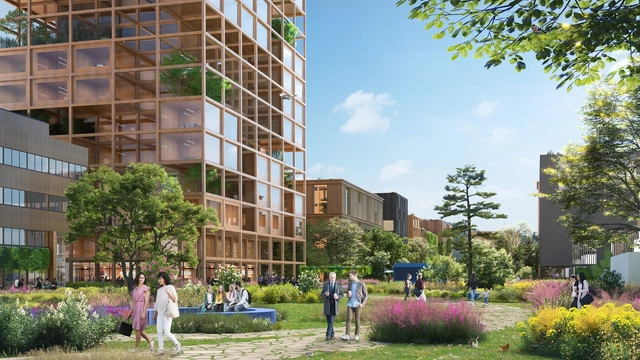
MVRDV has revealed the master plan to expand the Noviotech Campus, a giant in Health & High Tech Innovation, in Nijmegen, east of the Netherlands. The concept combines the campus's already scattered buildings, adds new structures where there are gaps, and integrates the site within the city, putting ecology first. The municipality of Nijmegen, Kadans Science Partner, and NXP Semiconductors will collaborate with Noviotech Campus and MVRDV in the following months to develop and refine the master plan.
https://www.archdaily.com/999319/mvrdv-reveals-master-plan-for-noviotech-campus-expansion-in-the-netherlandsNour Fakharany