

This guide explains how to structure multi-image prompts in the RunDifussion platform. Explore RunDifussion's product catalog.
Articles
How to Prompt and Annotate Multiple Images with AI
| Sponsored Content
https://www.archdaily.comhttps://www.archdaily.com/catalog/us/products/38860/how-to-prompt-and-annotate-multiple-images-with-ai-rundiffusion
Mid-Century & Mid-Western: Tracing the Modernist Movement in America’s Industrial Corridor
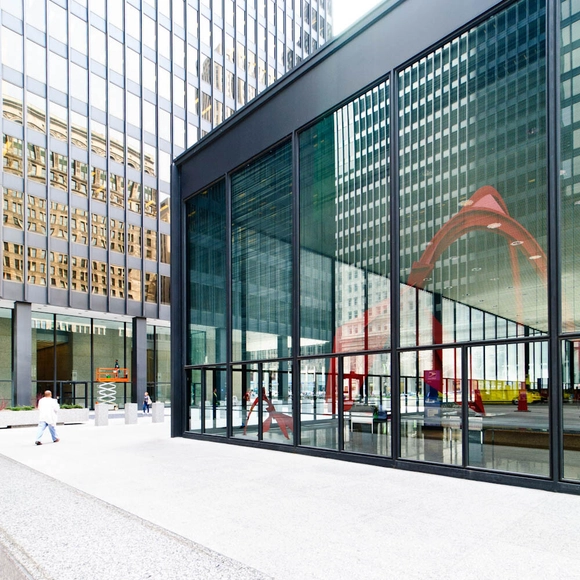
The Mid-Century Modernist movement was more than an aesthetic or material shift in the United States, as it was a response to a rapidly changing world. Emerging after World War II, this architectural revolution rejected ornate, traditional styles of the past in favor of clean lines, functional design, and incorporation of flashy materials like steel, glass, and concrete. Modernism was a break from tradition, focusing instead on simplicity, efficiency, and a vision for the future. It reflected the optimism of a nation rebuilding itself, where technology and innovation shaped everything from cityscapes to suburban homes.


https://www.archdaily.com/1026454/mid-century-and-mid-western-tracing-scales-of-the-modernist-movement-in-americas-industrial-corridorOlivia Poston
Building with Communities: Rural Schools That Integrate Local Techniques and Materials in Latin America
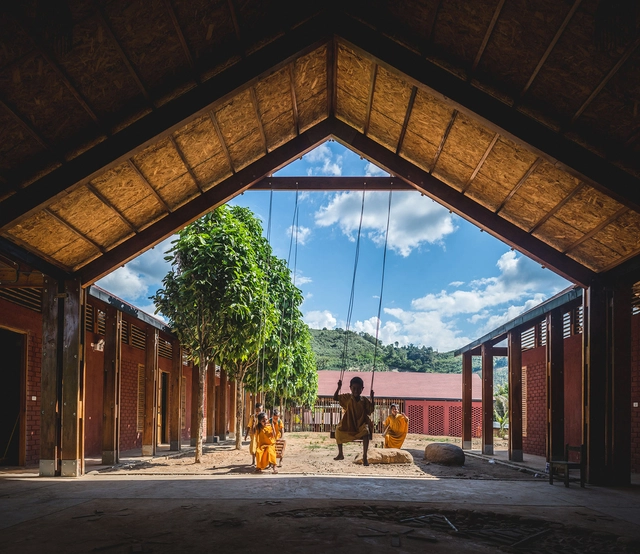
In an effort to foster a sense of belonging among its inhabitants, to value ancestral cultures, and to preserve identity, the Latin American region embraces an architecture rich in nuances and regional characteristics. The use of local materials and construction techniques, or the dialogue between modular and vernacular approaches, among other aspects, reflect the intention to promote the involvement of native communities, students and their families, Iindigenous peoples, and local builders in the design and construction processes of a wide variety of rural schools throughout Latin America.
https://www.archdaily.com/1030260/building-with-communities-rural-schools-that-integrate-local-techniques-and-materials-in-latin-americaAgustina Iñiguez
Latin America at the 2025 Venice Biennale: Exploring Territory, Memory, and Ancestral Knowledge to Build the Present
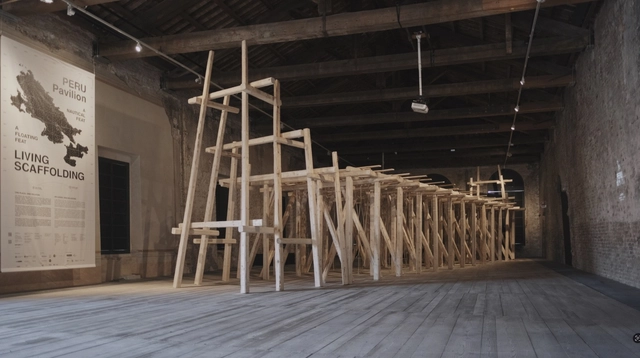
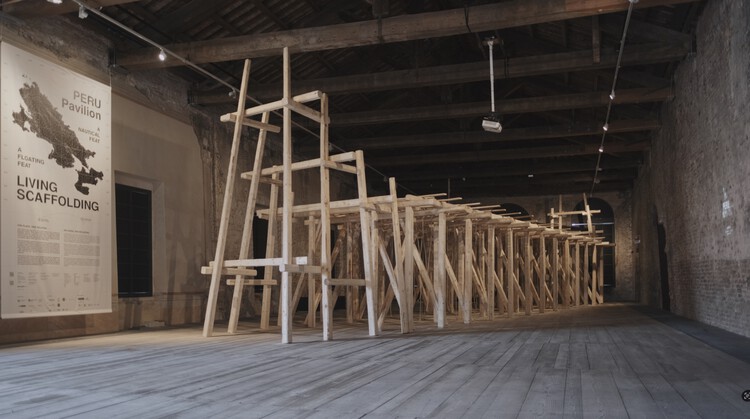
The 19th edition of the Venice Architecture Biennale officially opened to the public on May 10, becoming a significant international platform for exploring the current state of global architecture and sparking conversations about the challenges the discipline faces today—both shared and specific to each territory. This year’s theme, "Intelligens. Natural. Artificial. Collective," proposed by general curator and Italian architect Carlo Ratti, invites reflection on architecture’s interconnection with other fields—such as art, artificial intelligence, and technology—while also emphasizing the importance of territories, landscapes, and, above all, the people who collectively shape our built environment.

https://www.archdaily.com/1030213/latin-america-at-the-2025-venice-biennale-exploring-territory-memory-and-ancestral-knowledge-to-build-the-presentPaula Pintos
25 Years Prototyping the Future: Inside IAAC’s Master in Advanced Architecture
| Sponsored Content
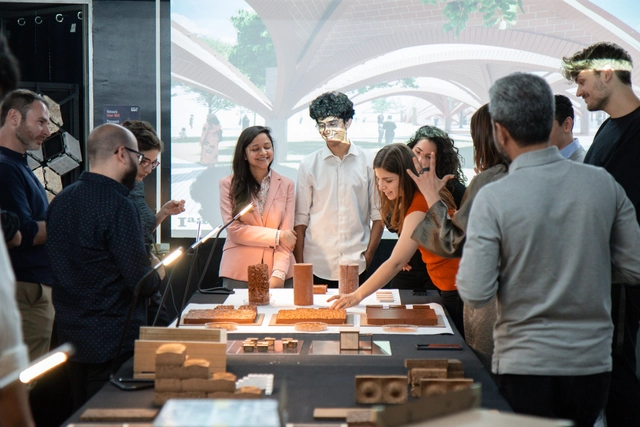
The Master in Advanced Architecture at IAAC celebrates its 25th anniversary as one of the most forward-looking programs in architectural education. Founded in 2000 in Barcelona, the program was created as a space for experimentation—where design meets technology, ecology and critical thinking, far from the conventions of traditional architectural training.
Over the years, the program has welcomed more than 1,000 students from over 80 countries. This international mix is no accident; it reflects IAAC's understanding of innovation as something that grows through dialogue, diversity and shared ambition. The result is a network of professionals working at the intersection of design, research, and systemic change.
https://www.archdaily.com/1030292/25-years-prototyping-the-future-inside-iaacs-master-in-advanced-architectureRene Submissions
Designing at the Edge: 8 Conceptual Projects Where Architecture Meets Nature from the ArchDaily Community
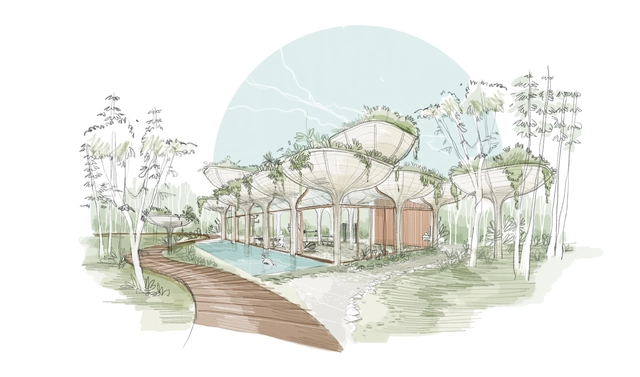
At a time when architectural practice is increasingly tied to climate and context, the boundary between the built and the natural has become a critical site of experimentation. This month's unbuilt selection gathers eight conceptual projects that work with the edges of landscape. In Ramia by João Teles Atelier, the architecture draws directly from the metaphor of a seed breaking through soil, using wood, concrete, and water to create a sensorial route through Tulum's ecology. Meanwhile, Mobius Pier by X Atelier loops gently over the river edge, becoming both infrastructure and observation point. Similarly, Il mare degli Umbri approaches the threshold differently, restoring the historic shoreline of Lake Trasimeno and reintroducing local wetland ecologies. Each project in this collection reflects a unique position: some treat the edge as a spatial experience, others as a regulatory line, and others still as a point of cultural or ecological return.
https://www.archdaily.com/1030451/designing-at-the-edge-8-unbuilt-projects-where-architecture-meets-natureNour Fakharany
From Root to Roof: In Venice, ArchDaily Highlights Restorative Emerging Practices
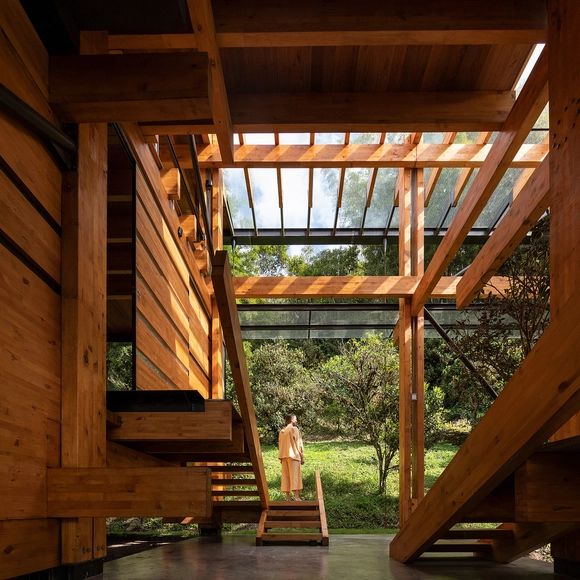
In partnership with the European Cultural Center (ECC), ArchDaily has launched its inaugural exhibition as part of the seventh iteration of Time Space Existence, an architectural showcase occurring concurrently with the 19th Venice Architecture Biennale. Open from May 10 to November 23, 2025, in various locations throughout Venice, this edition centers on the theme of "Repair, Regenerate, and Reuse," promoting innovative and sustainable approaches in architecture. ArchDaily's contribution is located at Palazzo Mora, complementing other venues like Palazzo Bembo, Marinaressa Gardens, and Palazzo Michiel.

https://www.archdaily.com/1030386/from-root-to-roof-in-venice-archdaily-highlights-restorative-emerging-practicesMaria-Cristina Florian
When a Pavilion Becomes a Living Laboratory
| Sponsored Content
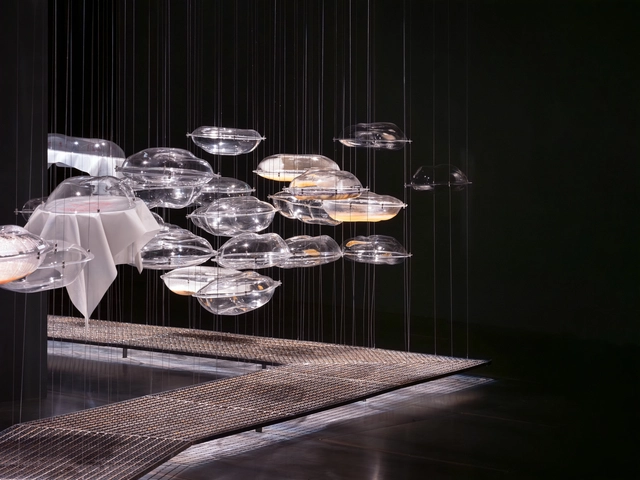
A pavilion in a Biennale serves as a platform for cultural expression, allowing a nation to articulate its architectural identity while responding to global challenges. These national exhibitions reflect how each country interprets the event's central theme through the lens of its own landscapes, histories, and future aspirations, reinforcing architecture's ability to act not only as a built discipline, but also as a catalyst for reflection, transformation, and dialogue. In this context, Montenegro's contribution resonates with particular force. Titled Terram Intelligere: INTERSTITIUM, the pavilion draws on the concept of a newly understood anatomical system of fluid-filled spaces running throughout the human body, facilitating connection and exchange. Once considered dense and inert, the interstitium is now revealed to be a network of dynamic interrelation — a metaphor that the curators use to reframe architecture as an active, living inquiry into natural, artificial, and collective intelligence, in tune with this edition's theme: Natural. Artificial. Collective.
https://www.archdaily.com/1030069/when-a-pavilion-becomes-a-living-laboratoryEduardo Souza
Beyond the Drawing Board: How Augmented Reality is Reshaping Architectural Design Review
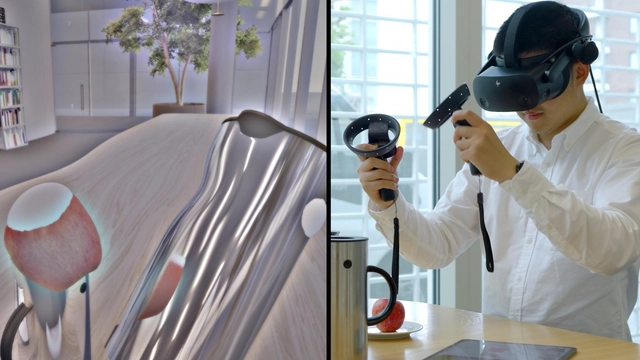
Over the last decade, architectural design has relied on 2D methods of representation, such as elevations, sections, and floor plans, paired with digital renderings of 3D models. While these tools are essential to convey geometry and intent, they remain limited by their two-dimensional format. Even the most realistic renderings, created through programs like SketchUp, Revit, or AutoCAD, still flatten space and distance the viewer from the lived experience of a project. Recently, architects have begun to explore immersive technologies as a way to bridge this gap between drawing and experience, offering new ways to inhabit and assess spatial proposals.


https://www.archdaily.com/1029744/beyond-the-drawing-board-how-augmented-reality-is-reshaping-architectural-design-reviewMoises Carrasco
The Greener Future of Automatic Door Systems: A Shift in Design and Performance
| Sponsored Content
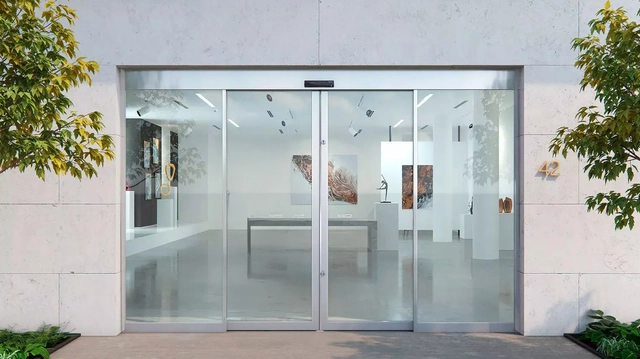
Throughout history, doors—and later automatic doors—have served a far greater purpose than merely marking an entrance or exit. They define thresholds, guide the flow of movement, and subtly shape the way people interact within a space. We can trace their evolution back to the 1st century, when Heron of Alexandria devised a steam-powered door—an early example of technology merging with architecture. Since then, contactless automatic door systems have incorporated technological advancements that enhance operation and redefine their role within buildings. Today, they are integrated across a range of building types and scales, acting as transitional elements that enhance comfort, energy efficiency, and the overall quality of indoor spaces.
https://www.archdaily.com/1029498/the-greener-future-of-automatic-door-systems-a-shift-in-design-and-performanceEnrique Tovar
How to Design Residential Urban Terraces: Strategies for Living Well in High Places
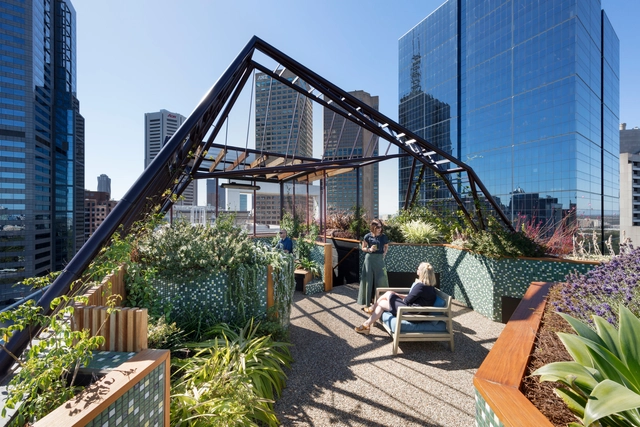
In today’s dense, vertical cities, terraces—often overlooked as mere technical rooftops—are emerging as key spaces for reconnecting with nature, expanding residential functions, and offering moments of collective relief. Particularly in single-family homes located in compact urban areas, these elevated surfaces represent valuable opportunities to increase usable living space without occupying more land. By lifting daily life above street level, terraces open new ways of inhabiting the city, enabling a range of uses from leisure and contemplation to food production and social gathering. In contexts marked by limited green space and strained infrastructure, they hold the potential to generate what landscape architect Catherine Mosbach calls "additional layers of urbanity." Whether imagined as hanging gardens, gathering spots, edible landscapes, or wellness zones, terraces challenge the idea that the city ends at the top floor—inviting us to see the roof as a new kind of ground.


https://www.archdaily.com/1030258/how-to-design-residential-urban-terraces-strategies-for-living-well-in-high-placesCamilla Ghisleni
Buildner Announces Winners of the 5th Annual Last Nuclear Bomb Memorial Competition
| Sponsored Content
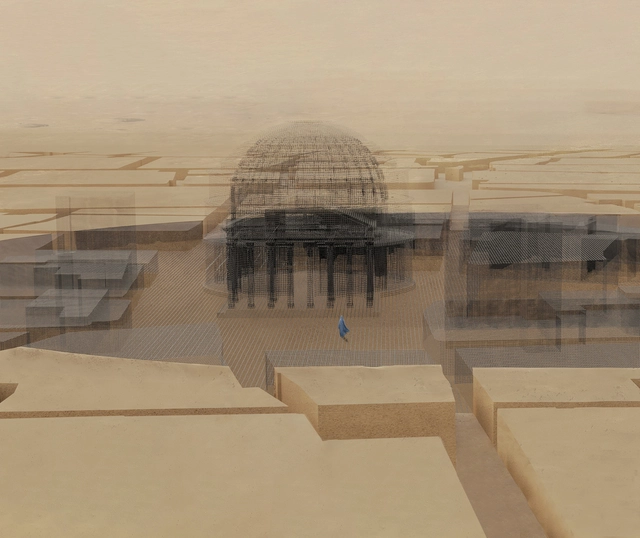
Buildner has announced the results of its competition, the Last Nuclear Bomb Memorial No.5. This competition is held each year to support the universal ban on nuclear weapons. In 2017, on the 75th anniversary of the 1945 bombings of Nagasaki and Hiroshima, which claimed the lives of over 100,000 people, the United Nations adopted the Treaty on the Prohibition of Nuclear Weapons.
In recognition of this treaty, Buildner invites conceptual designs for a memorial to be located on any known decommissioned nuclear weapon testing site. The conceptual memorial is intended to reflect the history and ongoing threat of nuclear weapons, aiming to promote public awareness of nuclear disarmament.
The challenge is intended to bring attention to the history and dangers of nuclear weapons. Participants are tasked with designing a space that commemorates nuclear warfare victims and conveys the need for a nuclear-free future. As a 'silent' competition, submissions are not allowed to include any text, titles, or annotations.
The next edition of this competition, the Last Nuclear Bomb Memorial No. 6, has been launched with an early bird registration deadline of June 12, 2025.
https://www.archdaily.com/1030195/buildner-announces-winners-of-the-5th-annual-last-nuclear-bomb-memorial-competitionRene Submissions
Casa da Música: Transforming Domestic Experimentation into Public Monumentality
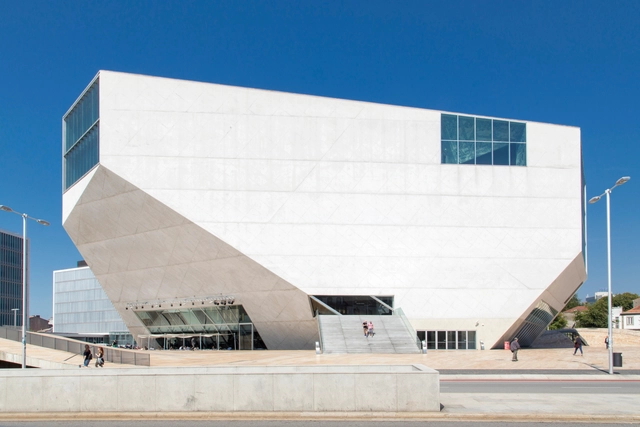
At the turn of the millennium, the world was gripped by the looming threat of the Y2K bug, a potential failure of computerized systems that could disrupt everything from banking to aviation. As midnight approached on December 31, 1999, people withdrew their savings, major corporations issued warnings, and governments scrambled to prevent public hysteria. But as the sun rose on January 1, 2000, the feared bug had no material impact, and the crisis faded as quickly as it had emerged. However, this era left its mark in unexpected places — particularly in architecture. Amid the anxiety surrounding digital technology, one of the most iconic concert halls of our time, Casa da Música in Porto, was born. Designed by OMA (Office for Metropolitan Architecture), its origins can be traced to a much smaller project: the Y2K House. What began as an exploration of private domesticity during the digital scare evolved into a grand public structure — an architectural transition from home to a performance hall.


https://www.archdaily.com/1022081/casa-da-musica-transforming-domestic-experimentation-into-public-monumentalityDiogo Borges Ferreira
Vernacular Building and AI: Can Data Alone Bridge the Gap?
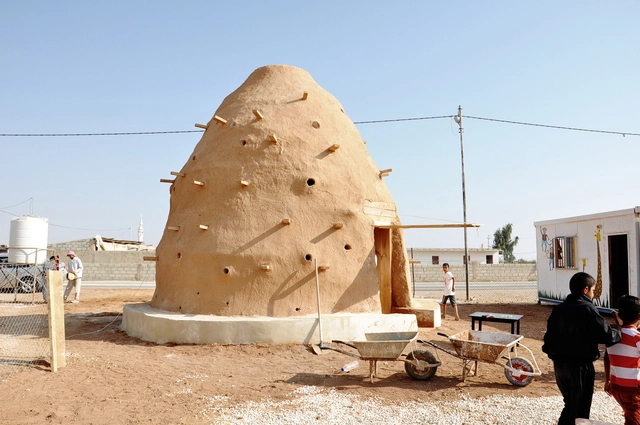
As artificial intelligence (AI) becomes increasingly embedded in society, it's essential to pause and reflect on the foundations that sustain it—and the dimensions to which it extends. At the heart of AI's learning are datasets, whose structure and content shape how these systems interpret and respond to the world. This reliance creates a deep interdependence—one that not only informs AI's capabilities but also defines its potential blind spots. In light of this, we must ask: What forms of understanding might this process exclude, especially those not easily captured in digital form?


https://www.archdaily.com/1030019/vernacular-building-and-ai-can-data-alone-bridge-the-gapEnrique Tovar
Designing Office Spaces for Focus in the Hybrid Work Era
| Sponsored Content
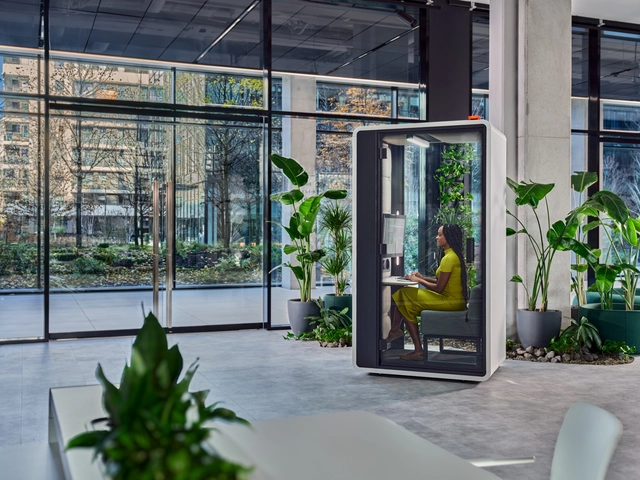
Without dedicated spaces for private focus — a crucial element of effective collaboration — even the brightest idea dims. The office must indeed balance connectivity with personal space most brilliantly, letting employees move between tasks without friction. Booths like hushFree.XS, hushFree.S.Hybrid, and hushFree.S are part of this, together forming a trio of single-person booths that meet the majority of the office's need for individual workspaces.
HushFree.XS, hushFree.S.Hybrid, and hushFree.S work as a complete system, ensuring employees have the right conditions for productive solo work throughout the day, proving to be invaluable tools for architects in designing spaces that completely address varied employees needs. Booths like these make premium refuges for focused calls, impressively immersive video conference spaces, and deep-focus bubbles.
https://www.archdaily.com/1030138/designing-office-spaces-for-focus-in-the-hybrid-work-eraRene Submissions
Architecture as a Tool for Social Innovation: Human-Centered Design to Combat Loneliness
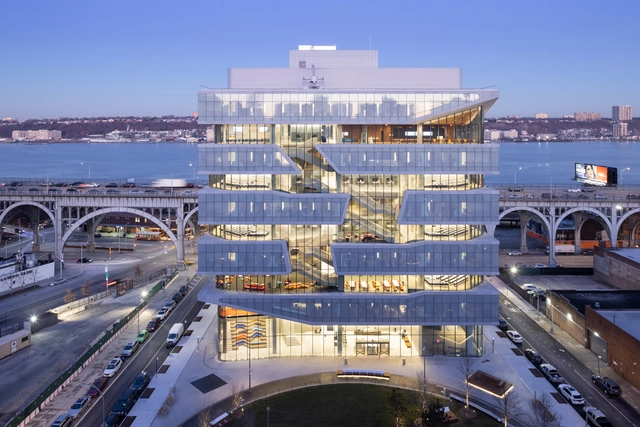
Architecture holds power beyond the creation of buildings - it is a practice that shapes how people live, interact, and thrive within their communities. Architecture can also be a tool for social innovation. Through an understanding of human-centered processes, participatory design, and social sciences, practitioners can address societal challenges such as loneliness, inequality, and public health to equip spaces as vehicles for social equity and engagement. Architecture's role in shaping the future of communities is a direct response to human needs and activated social change.


https://www.archdaily.com/1022846/architecture-as-a-tool-for-social-innovation-human-centered-design-to-combat-lonelinessAnkitha Gattupalli
Leading with Daylight: A Glimpse Inside the House by the Garden of Venus
| Sponsored Content
An ancestral house in the rural village of Willendorf in der Wachau stands watch over a grove of fruit trees. The trees have stood for generations and, to this day, provide the fruit which is the basis of the family business. Bound on one side by the river Danube and the other by valley's edge, both house and grove have witnessed the passage of countless seasons together. With each progression between darkness and light, from winter to summer, comes the inevitability of change.
https://www.archdaily.com/1030283/leading-with-daylight-a-glimpse-inside-the-house-by-the-garden-of-venusRene Submissions
Architecture Details 101 in Venice: Carlo Scarpa and David Chipperfield in Dialogue Across Time
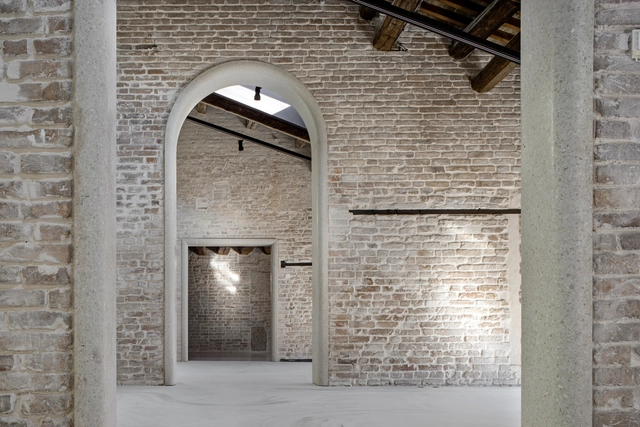
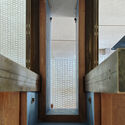
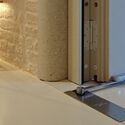
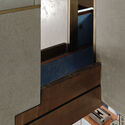
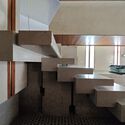
In Venice, surrounded by an overwhelming abundance of architectural beauty—the grandeur of landmarks like the Basilica di San Marco, St. Mark's Square, and the Rialto Bridge, to name just a few—it is easy to become swept up in the iconic imagery and spatial majesty of the city. One could lose sight of the quieter, yet equally masterful, moments found in the execution of details across its built fabric. Beyond the grandeur, the city offers a richness in its winding alleyways, narrow canals, and vibrant street life—each contributing to the cultural tapestry that makes Venice so unique. Amidst these celebrated elements, however, lie subtle but remarkable architectural details that often go unnoticed. These deserve closer observation and reflection, as they offer their own kind of mastery—one grounded in material precision, craft, and the lived rhythms of the city.
Just steps away from the iconic Piazza San Marco, a quiet architectural dialogue unfolds between two celebrated figures. Within a one-minute walk, two projects—each meticulously crafted—sit in close proximity: the Olivetti Showroom by Carlo Scarpa, a long-revered pilgrimage site for architects and designers, and the recently reopened Procuratie Vecchie, restored by David Chipperfield Architects. A closer look at the architectural details embedded within each work reveals a compelling exchange across time—one that unfolds through material language, spatial precision, and an unwavering commitment to craft.

https://www.archdaily.com/1030273/architecture-details-101-in-venice-carlo-scarpa-and-david-chipperfield-in-dialogue-across-timeJonathan Yeung
Designing for Temperature Gradients: 6 Central American Projects that Use Transitional Spaces to Mitigate Heat
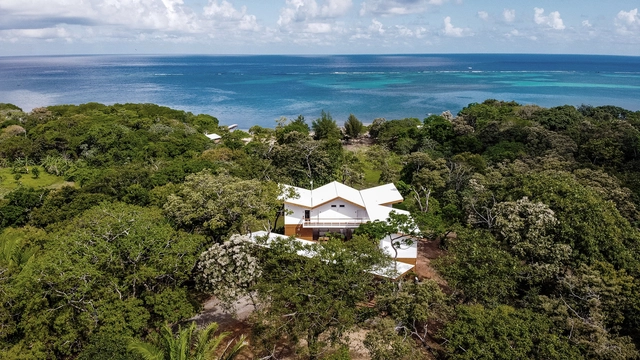
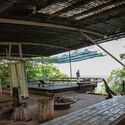
Understanding the temperature gradient in a building is essential in cold or temperate climates, where airtight enclosures and continuous insulation are used to prevent heat loss. However, this approach is not suitable for tropical areas like Central America, where the climate is marked by a consistent alternation between wet and dry seasons rather than four distinct ones. Factors such as proximity to the sea, elevation, and local topography influence microclimates across short distances, but high humidity remains a common challenge. Sealed, airtight walls with no ventilation can quickly become breeding grounds for mold, making the thermal strategies of temperate climates problematic. In response, local designers have developed alternative approaches that embrace, rather than resist, the outdoor environment, allowing airflow and evaporation to manage interior comfort.

https://www.archdaily.com/1030029/transitional-spaces-for-the-heat-6-central-american-projects-that-cool-from-the-outside-inMoises Carrasco
How Neuroarchitecture Can Influence the Perception of Safety in Urban Spaces and Buildings
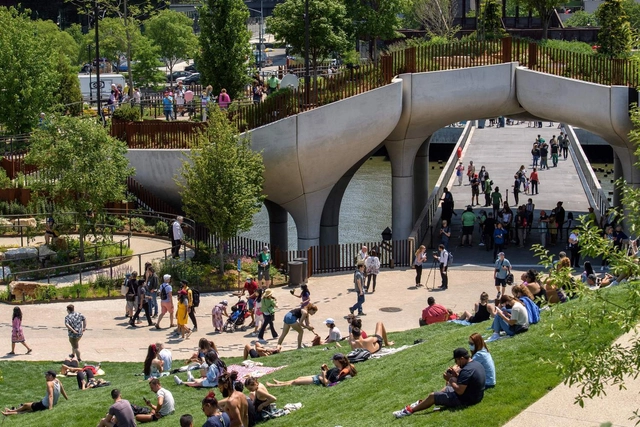
The intersection between architecture and neuroscience—known as neuroarchitecture—is emerging as an innovative field, highlighting the significant influence of design, whether in urban spaces or buildings, on human perception, including the sense of safety. This area of study gains relevance in a context where urban architecture is not merely a matter of aesthetics or function, but also a crucial element in creating environments that promote well-being and safety.


https://www.archdaily.com/1030308/how-neuroarchitecture-can-influence-the-perception-of-safety-in-urban-spaces-and-buildingsLorí Crízel
Between Housing Demand and Environmental Goals: Alejandro Aravena on Incremental Solutions and Net-Zero Concrete
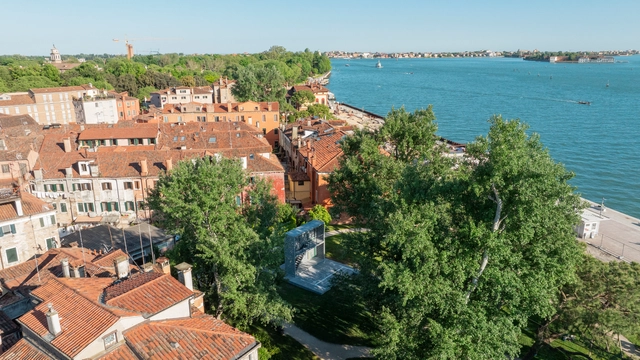
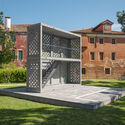
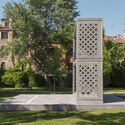
During the Time Space Existence exhibition, organized by the European Cultural Centre in Venice, Pritzker Prize-winning architect Alejandro Aravena and his firm ELEMENTAL unveiled a full-scale prototype for a new approach in incremental housing solutions. Titled the USB Core, standing for Basic Services Unit housing prototype, this proposal aims to demonstrate how efficient construction can provide all the essential housing components in a minimal space. The prototype is also the result of a collaboration between the architecture office and concrete manufacturer and researcher Holcim, and is built out of a newly developed type of net-zero concrete mix. It also incorporates fully recycled aggregates, in alignment with circular economy principles. The collaboration aims to demonstrate a more environmentally conscious yet cost-effective way of providing essential services to at-risk communities without harming the planet.
While on site in Venice, ArchDaily's managing editor Maria-Cristina Florian had the chance to sit down with Alejandro Aravena and discuss the implications of this collaboration, the urgent need for housing, and the role of the architect as the coordinator of a process involving many actors.

https://www.archdaily.com/1030245/between-housing-demand-and-environmental-goals-alejandro-aravena-on-incremental-solutions-and-net-zero-concreteMaria-Cristina Florian
Architecture Now: From India’s New Administrative Capital to Singapore’s Expanding Airport, Discover Projects by Foster + Partners, SOM, Heatherwick Studio, and More
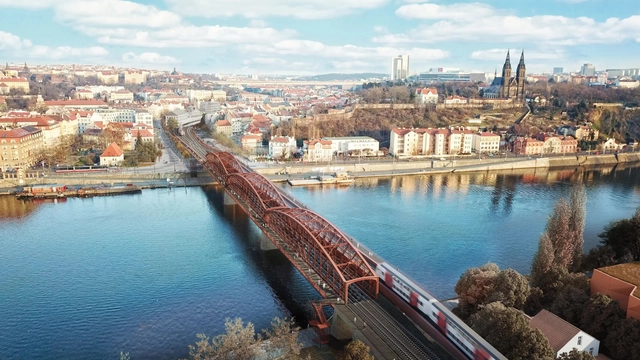
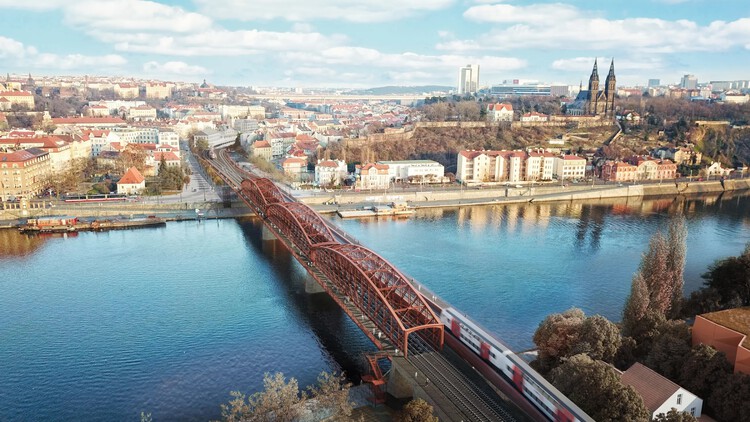
From new city-scale developments to adaptive reuse proposals, this edition of Architecture Now highlights a range of recently announced projects around the world. Foster + Partners leads the restart of Amaravati, a planned capital city in India; Safdie Architects proposes a new tower in Portland's historic Old Port; and SOM breaks ground on a cultural and academic pavilion at Temple University. Other updates include a preservation plan for a historic bridge in Prague, a coastal hospitality development in Abu Dhabi, and a large-scale housing project in Brooklyn designed by TenBerke. Together, these projects reflect evolving priorities in housing, sustainability, heritage, and public space across diverse global contexts.
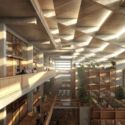
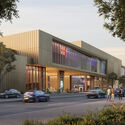
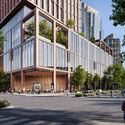
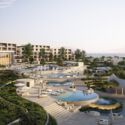
https://www.archdaily.com/1030243/architecture-now-from-indias-new-administrative-capital-to-brooklyns-mixed-use-housing-developmentNour Fakharany
Windows as Thresholds That Merge Interior and Exterior Spaces
| Sponsored Content
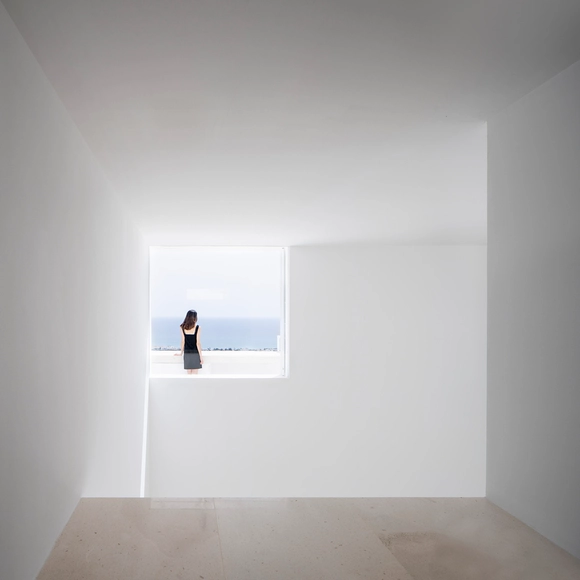
In The Poetics of Space, French philosopher Gaston Bachelard proposes reading architecture as a lived experience, in which each environment carries emotional and symbolic meaning. Reflecting on the house, he places particular importance on thresholds (windows, doors, stairs, attics, basements) as zones of transition and rupture between the intimate and the open, the known and the unknown. For him, the window is not merely a functional opening, but a point of dreaming and contemplation: it is through the window that the inhabitant projects themselves into the world. This perspective inspires a sensitive approach to architectural work, in which boundaries are not limited to separation, but articulate imagination, memory, and desire.
https://www.archdaily.com/1029862/windows-as-thresholds-that-merge-interior-and-exterior-spacesEduardo Souza
Rest as an Experience in a Space Rich with Symbolism: Insights from the Argentinian Pavilion at the 2025 Venice Biennale
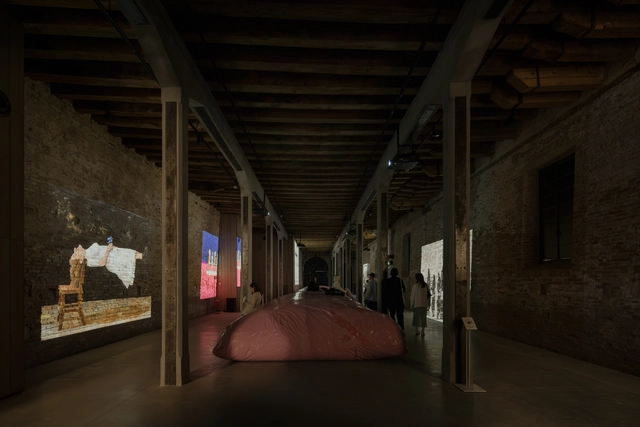
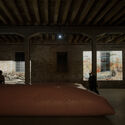
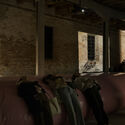
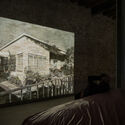
The proposal by Argentinian architects Marco Zampieron and Juan Manuel Pachué for the Argentinian Pavilion at the 19th Venice Architecture Biennale 2025 is clear from the outset: upon entering Siestario, visitors are immersed in a space of dim lighting and evocative sound, and immediately encounter—at the center of the room, stretched across its width, and acting as the undeniable protagonist—a large, inflated pink bag that instinctively invites repose. This is a silobag, an object commonly used in the Argentinian countryside to store grain and a potent symbol of the country’s export-driven economy. In this setting, the silobag becomes more than a spatial intervention; it also introduces a temporal dimension: an invitation to pause and reflect amid the relentless rhythm of the Biennale.

https://www.archdaily.com/1030139/rest-as-an-experience-in-a-space-rich-with-symbolism-insights-from-the-argentinian-pavilion-at-the-2025-venice-biennalePaula Pintos
Pavilions in Urban Spaces: On the Experimentation, Recycling, and Reuse of Materials
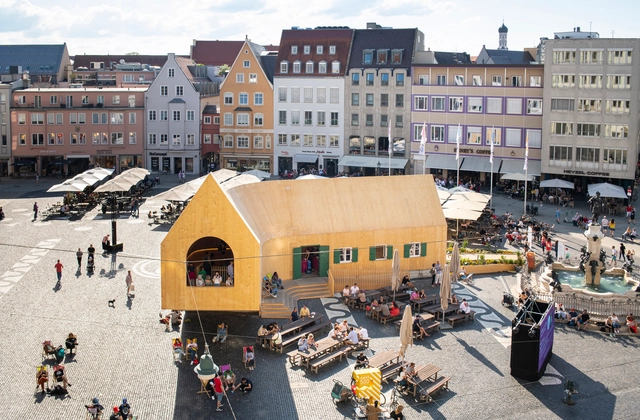
How do pavilions emerge in architecture? What role do they play in urban spaces? Beyond the multiple interpretations that exist around the world, the pavilion, as an architectural principle and typology, tends toward extroversion, often associated with a centrifugal nature and visual openness toward the horizon, which is linked to its origins as a tent offering shelter from the elements. Pavilions are usually identified as isolated and independent structures that can promote lateral openings in the urban space, panoramic or introspective views, technological reflections, and material experiments that are recognizable from the outside or once inside.


https://www.archdaily.com/1021424/pavilions-in-urban-spaces-on-the-experimentation-recycling-and-reuse-of-materialsAgustina Iñiguez